
Kim Tu-bong: Korean linguist and first nominal head of North Korea
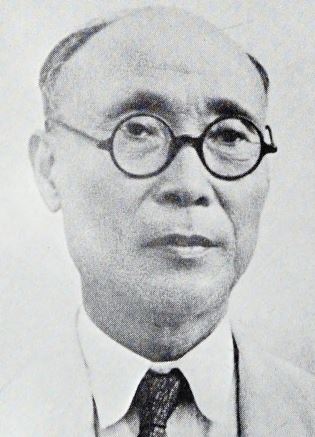
Kim Tu-bong (1886–c.1958) was a Korean linguist and politician who served as the first chairman of the DPRK Standing Presidium (the state's nominal head). He advanced Korean language studies and later disappeared after a purge.
Kim Tu-bong (16 March 1886 – c.1958) was a Korean scholar and politician known for combining work on the Korean language with high office in the early Democratic People's Republic of Korea. He is widely remembered both for his contributions to modern Korean linguistic study and for his role as the first chairman of the standing presidium of the DPRK, a position often described as the country's head of state in the constitutional structure of the period.
Image gallery
3 Images
Early life and career
Born during the late Joseon era, Kim came of age in a period of rapid political change on the peninsula. He became involved in cultural and political movements that emphasized Korean identity and education. Over subsequent decades he pursued both scholarly and organisational work, supporting efforts to promote literacy, wider use of Hangul, and systematic description of Korean grammar and pronunciation.
Linguistic work
Kim is commonly cited among early twentieth-century figures who worked to modernize and describe the Korean language for education and publication. As a linguist and educator he participated in research, taught, and authored studies that addressed grammar, orthography and phonology in ways intended to be useful for schools and readers. His scholarly reputation rests on efforts to make linguistic knowledge accessible and to support national cultural policies based on the Korean language.
Political leadership
- State office: In the years after 1945 he held senior positions in North Korean institutions and became the first chairman of the standing presidium of the Supreme People's Assembly, a largely ceremonial post that served as the republic's nominal head.
- Public role: During his time in office he was identified with cultural and educational policy, reflecting his background as a scholar and teacher.
Downfall and legacy
During factional struggles and political realignments in the 1950s Kim was removed from leadership and then disappeared from public records. Sources typically give c.1958 as the date when he was purged or died, though precise details remain uncertain and are the subject of limited documentation. His legacy survives in two main areas: his early contributions to the study and promotion of the Korean language and his role in the formative political institutions of the DPRK. He is often remembered as a scholar-politician whose career reflects broader cultural and political transformations in twentieth-century Korea.
For basic references on his linguistic and political activities consult materials on modern Korean language reform and histories of North Korea's early state institutions; see also entries under the terms linguist and head of state for related background.
Related articles
Author
AlegsaOnline.com Kim Tu-bong: Korean linguist and first nominal head of North Korea Leandro Alegsa
URL: https://en.alegsaonline.com/art/53471
Sources
- koreatimes.co.kr : "Kim Tu-bong and Historical Linguistics,"