
Kim Jung-nam (South Korean footballer and manager)
South Korean former association football player born 1943 who represented his country at the 1964 Olympics and later worked as a K League manager and league administrator.
Overview
Kim Jung-nam (Korean: 김정남; Hanja: 金正男; born January 28, 1943) is a South Korean former professional athlete best known for his career in association football. He represented the Republic of Korea at international level and later moved into coaching and football administration. He is not to be confused with the North Korean figure Kim Jong-nam or related entries such as other similarly named individuals.
Image gallery
2 Images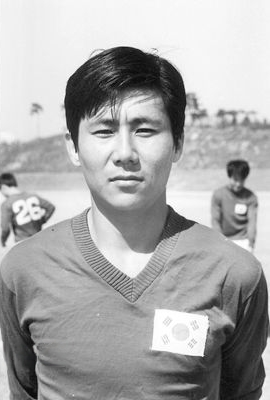

Playing career
Kim was active as a national-level player during the 1960s and earned selection for major tournaments. He was a member of the South Korean national football squad at the 1964 Summer Olympics, a prominent international stage for players from that era. As a participant in organized competition, his career coincided with a period when Korean football was consolidating regional and international presence in Asia.
Managerial and administrative career
After retiring from playing, Kim transitioned into coaching and later into league administration. He worked as a manager in the professional K League structure (K League), South Korea's top domestic competition, where former internationals commonly take roles as coaches and technical staff. In addition to team management, he served in leadership at the league level, including a term as K League vice president, contributing to organizational and developmental aspects of the domestic game.
Legacy and significance
Kim Jung-nam represents a generation of Korean football figures who bridged amateur international competition and the emergence of professional club football at home. His move from national team player to coach and league official illustrates a typical career path that helped professionalize the sport in South Korea. Players and administrators from his era laid groundwork later teams and administrators built upon when the K League expanded and Korean clubs and national teams achieved broader success in Asia.
Further notes and references
- Primary identifiers and script forms: Hangul (김정남) and Hanja (金正男).
- For clarity on naming, see entries related to Kim Jong-nam and other individuals with similar Romanizations (disambiguation).
- Related topics: association football, the K League, and Olympic football history (1964 Olympics).
Related articles
Author
AlegsaOnline.com Kim Jung-nam (South Korean footballer and manager) Leandro Alegsa
URL: https://en.alegsaonline.com/art/53454
Sources
- fifa.com : "Kim Jung Nam"
- sports.media.daum.net : 열혈팬이 찾아낸 귀중한 1승,
- goal.com : "Kim Jung-Nam, vice president of K-League (K-League Association)"