
Kidal Region — Northeastern Mali
Kidal Region is a remote, sparsely populated region in northeastern Mali, centered on Tuareg culture, Saharan landscapes and important recent history tied to rebellion, security and cross‑border trade.
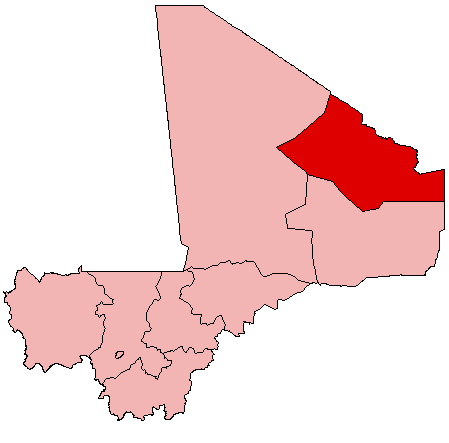
The Kidal Region is an administrative region in the far northeast of Mali. It is characterized by vast desert terrain, a small and widely dispersed population, and a cultural landscape dominated by Tuareg communities and nomadic pastoralism. The regional capital is the town of Kidal, and other notable settlements include Tessalit and Abeibara.
Image gallery
2 Images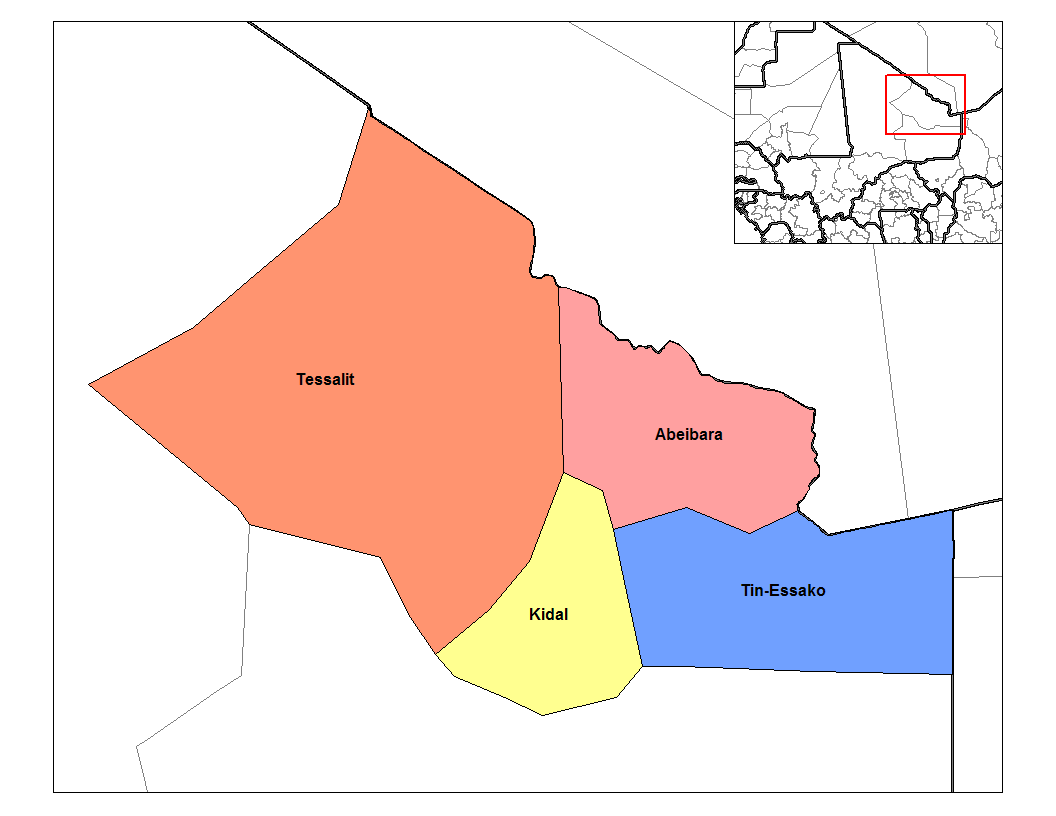
Geography and environment
Kidal sits largely within the Sahara and Sahel transition zone. The landscape includes rocky plateaus such as the Ifoghas (Adrar des Ifoghas), sand dunes, and occasional oases where limited agriculture and concentrated settlement occur. Harsh arid conditions, seasonal temperature extremes and scarce water resources shape livelihoods and movement across the region.
Population, society and culture
The region is sparsely populated and has long been a stronghold of Tuareg languages and customs. Communities rely on pastoralism (camels, goats, sheep), seasonal trade and artisanal crafts. Traditional social structures, tents and distinctive dress remain important, while contemporary life is shaped by mobility, cross‑border ties and modern services where available.
History and recent politics
Kidal has been central to several Tuareg uprisings and to the 2012 declaration of independence by northern separatist movements, events that altered local governance and security. The area subsequently experienced armed contest, the presence of various non‑state armed groups and international peacekeeping efforts aimed at stabilizing the region.
Economy and infrastructure
Economic activity is limited by geography and insecurity: pastoralism, small‑scale trade, transport services and artisanal crafts are principal livelihoods. Road networks are sparse and often seasonally impassable; a few airstrips provide key links for supplies and humanitarian access. Development and service delivery are constrained by remoteness and contested authority.
Importance and challenges
- Strategic location near international borders, affecting migration and cross‑border commerce.
- Rich Tuareg cultural heritage and traditional knowledge of desert environments.
- Ongoing security, governance and humanitarian challenges that shape prospects for development.
Understanding Kidal requires attention to its physical remoteness, the centrality of Tuareg social life, and the complex interaction between local aspirations, national politics and international security efforts.
Related articles
Author
AlegsaOnline.com Kidal Region — Northeastern Mali Leandro Alegsa
URL: https://en.alegsaonline.com/art/53319