
Kippah (Yarmulke): Jewish skullcap — forms, history, and practice
A kippah (yarmulke) is a small Jewish skullcap. This article covers its origins, varieties of style and material, religious and cultural meanings, and contemporary practices across communities.
Overview
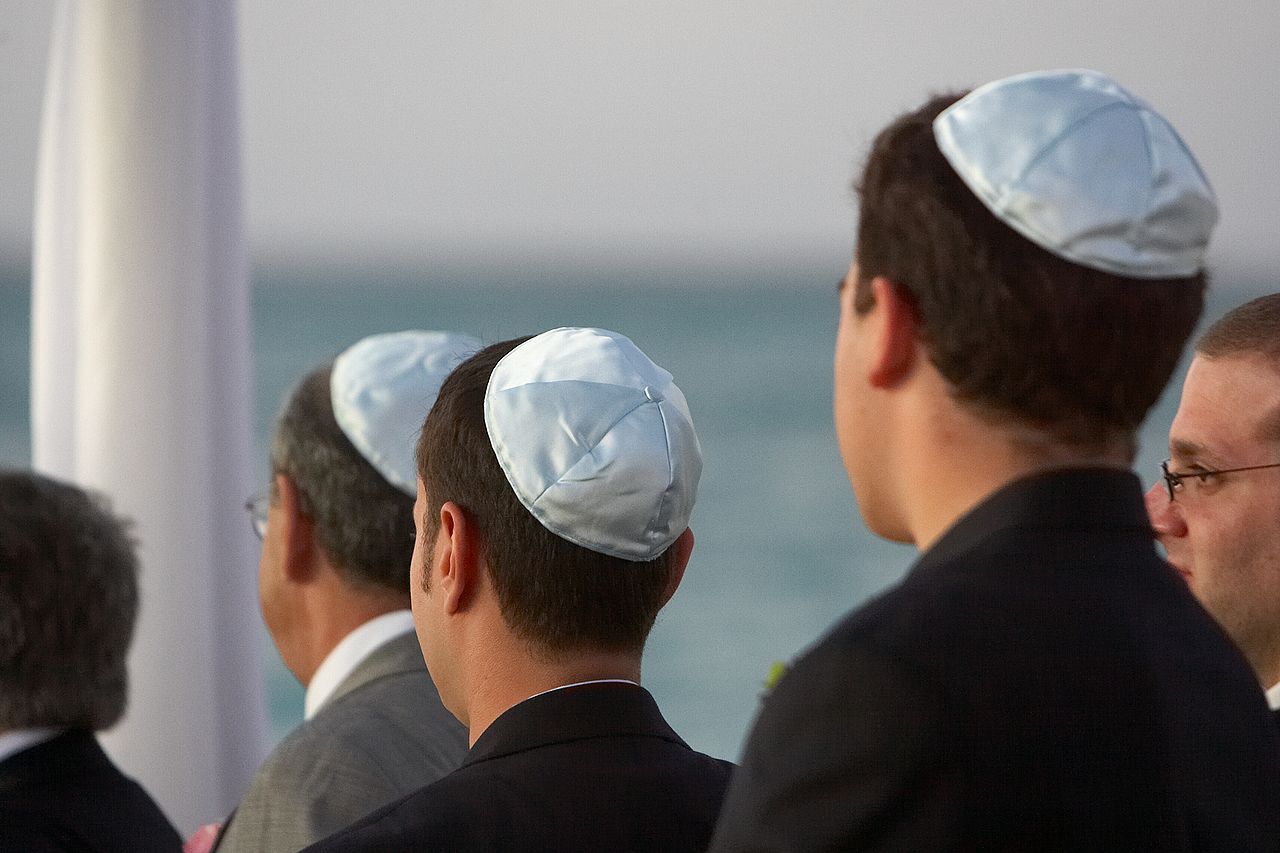
The kippah, also known by its Yiddish name yarmulke and in Hebrew as kippah, is a small, rounded cap traditionally worn by Jews. It serves as a visible reminder of reverence, humility, or communal identity. Observance varies widely: in some communities men wear one only during prayer or while in synagogue, while in others it is worn throughout the day. Some women in non-Orthodox communities also choose to wear a kippah as an expression of religious practice or gender equality.
Image gallery
10 Images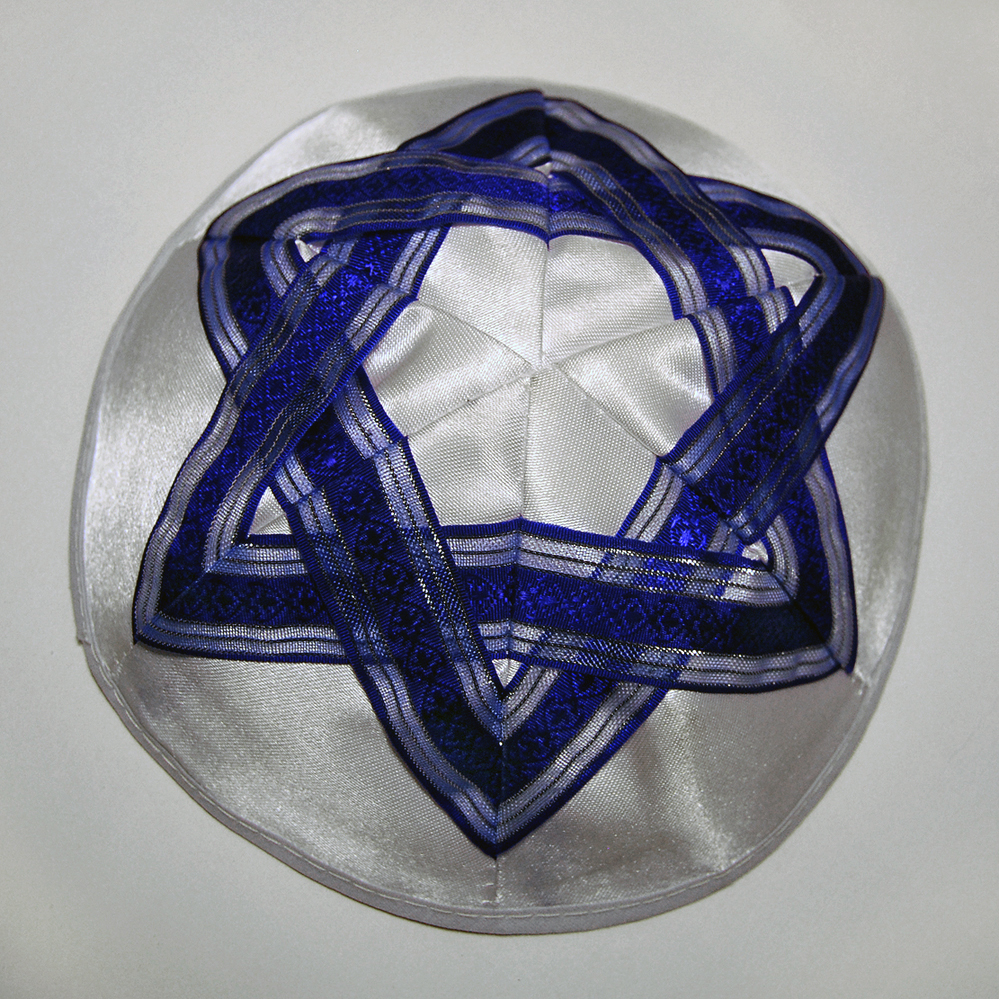



Form, materials and variations
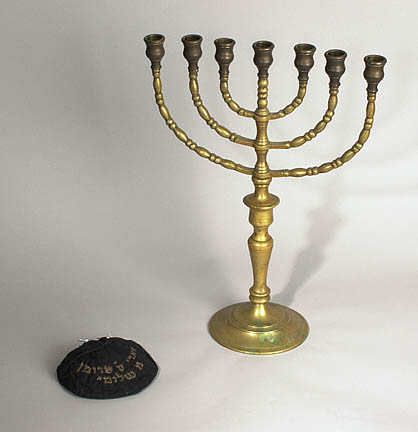
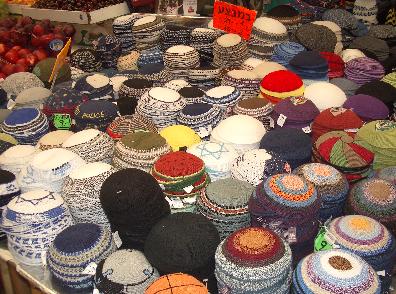
Kippot (plural) are made in many shapes and fabrics. Common styles include tightly knitted or crocheted varieties often associated with religious Zionist communities, smooth velvet or suede caps favored in other Orthodox circles, and lighter fabric or patterned versions used in casual or Reform settings. Size ranges from small circular caps to larger styles that cover more of the crown. Decoration can be plain or include embroidery, logos, or national or communal colors.
- Knitted/serugot: associated with some Modern Orthodox and national-religious groups.
- Black velvet or felt: common in many Haredi or ultra-Orthodox communities.
- Decorative and informal kippot: used at events, by youth, or by those expressing cultural identity.
History and religious basis
The practice of covering the head has roots in early rabbinic literature and later Jewish custom rather than in a direct biblical command. The Talmud records examples and anecdotes that encouraged modesty and constant awareness of the divine presence; one often-cited source is a passage in tractate Shabbat. Over centuries the custom evolved into widely observed communal norms, varying by region and denomination. The word "yarmulke" is Yiddish, while "kippah" is Hebrew; both terms are commonly used in English.
Religious practice and significance
For many Jews the kippah expresses piety and a reminder of God's presence. Customs differ: some require coverage only during prayer, study, or when eating, while others require continuous coverage. There is a traditional guideline mentioned in rabbinic sources about not going more than a short measure of distance without head covering; texts sometimes refer to a distance described as four cubits, reflecting ancient units used in communal law. In contemporary life the kippah also functions as an emblem of Jewish identity and can be seen at public ceremonies, weddings, and civic events.
Social meanings and notable distinctions
Color, material and how a kippah is worn may signal religious affiliation or social stance. For example, knitted kippot are often linked with national-religious communities, while plain black or dark caps can be associated with more conservative Orthodox groups. In some societies the kippah is also a symbol of communal solidarity; in others it has been the subject of legal and social discussion about religious expression in public spaces. Practices regarding women wearing kippot differ by denomination and are part of broader conversations about gender and ritual participation.
For further reading about terminology, custom, and contemporary debates see resources tagged for historical texts and modern practice: background on Jewish customs and additional discussion in community guides and legal studies available through academic or religious institutions.
Note: this article summarizes widely known features of the kippah without exhaustive legal detail; for authoritative rulings or specific communal practices consult local rabbinic authorities or specialized texts.
Questions and answers
Q: What is a kippah or yarmulke?
A: A kippah or yarmulke is a small cloth cap worn by Jews.
Q: Who traditionally wears a kippah or yarmulke?
A: Traditionally, it was worn only by men.
Q: Are women allowed to wear a kippah or yarmulke?
A: Yes, in modern times the push for equality between the sexes in the practice of Judaism has led some women to wear yarmulkes.
Q: When do some Jews wear yarmulkes?
A: Some Jews only wear yarmulkes while praying; others wear yarmulkes the entire day, making sure not to walk more than four cubits without head covering (especially outside).
Q: What is the basis for wearing a head covering?
A: The basis for wearing a head covering is a story in the Talmud (tractate Shabbat).
Q: How can the color and fabric of a yarmulke be significant?
A: Often, the color and fabric of the yarmulke can be a sign of adherence to a specific religious movement.
Q: What are the kippot srugot and kippot shkhorot?
A: The Israeli National Religious community is often referred to by the name kipot srugot כיפות סרוגות, literally "woven yarmulkes". Similarly, some Haredi sects are referred to by the name kipot shkhorot כיפות שחורות, literally "black yarmulkes".
Related articles
Author
AlegsaOnline.com Kippah (Yarmulke): Jewish skullcap — forms, history, and practice Leandro Alegsa
URL: https://en.alegsaonline.com/art/53721