
Kermanshah: Gateway of Iran's Western Plateau
Kermanshah is a major city in western Iran and the capital of Kermanshah Province, known for its Kurdish culture, ancient Sassanid monuments, and role as a regional trade and cultural center.
Overview
Kermanshah is the administrative center of Kermanshah Province in western Iran and a principal city of the Iranian Kurdistan region. The city's name appears in local languages as Persian: کرمانشاه and Kurdish: کرماشان. Located on the Zagros Plateau, it has long served as a commercial and cultural crossroads between the Iranian interior and Mesopotamia.
Image gallery
10 Images



Location and climate
Kermanshah lies roughly 525 km west of Tehran and about 120 km from the modern border with Iraq, giving it strategic importance for cross‑border trade and travel. The city occupies a transitional zone between lowland plains and high Zagros ridges and experiences a continental climate with cold winters and warm, dry summers; local microclimates can vary with elevation and seasonal precipitation patterns (continental climate).
Population, language and religion
Kermanshah is one of Iran's larger cities and the biggest Kurdish-majority urban center inside the country. Residents commonly speak Kurdish dialects alongside Persian, which is used in official contexts and education. The population includes a majority of Muslims, with a mix of sects and smaller communities following other faith traditions; religious diversity has been a notable feature of the region's social fabric (religious composition).
History and cultural heritage
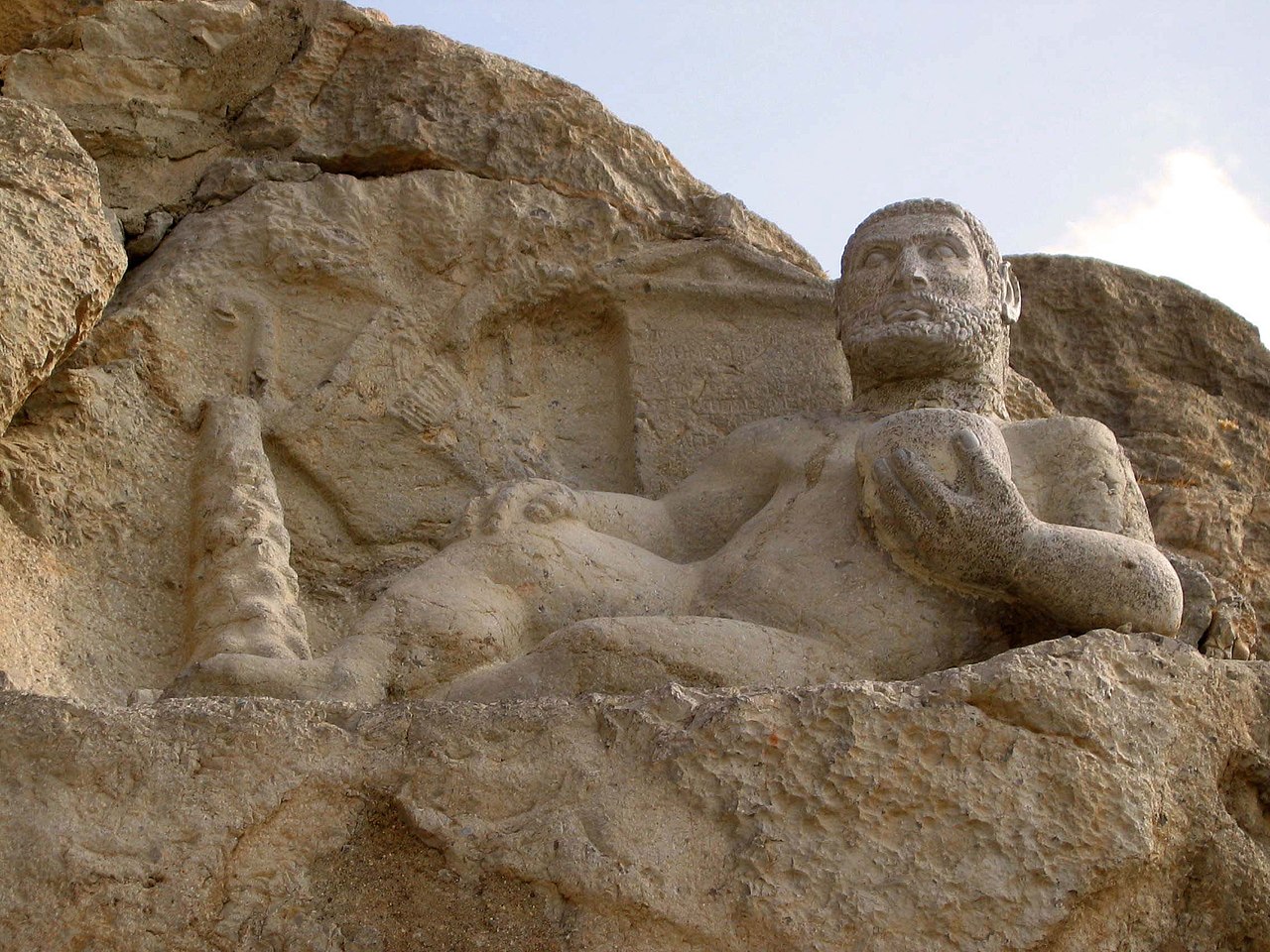
The Kermanshah area has an extensive history that stretches back to antiquity. Nearby archaeological sites and rock reliefs attest to successive empires that controlled the Zagros frontier. Among the region's best-known heritage are Sassanid-era carvings and royal scenes carved into cliff faces, which attract scholars and visitors. The long continuity of settlement and the city's role as a borderland between empires have left a layered architectural and archaeological record.
Economy and urban life
Kermanshah's economy blends services, commerce, light industry and agriculture from surrounding plains. Markets in the city sell local handicrafts, textiles and foodstuffs that reflect Kurdish and Persian culinary and artistic traditions. Its position near an international border supports logistics, transport services and cross-border trade, while cultural institutions and educational centers make it an important regional hub.
Landmarks and tourism
The city and its vicinity offer several attractions: monumental rock reliefs, ancient inscriptions, historic bazaars and religious shrines. Many visitors come to study the art and inscriptions carved into the Zagros cliffs, and to experience the region's local cuisine and festivals. Conservation of archaeological sites and tourism development are ongoing concerns as authorities balance access with preservation.
Contemporary significance and distinctions
- Administrative capital of Kermanshah Province and a cultural center within Iranian Kurdistan.
- A linguistic crossroads where Kurdish dialects and Persian coexist in daily life.
- A gateway for commerce and travel between western Iran and neighboring Iraq.
For more detailed information about names, local languages and regional maps, see entries linked to Persian sources, Kurdish materials and general country references for Iran. Additional practical information on transport and distances may be found via regional transport guides linked to Tehran and border crossings with Iraq.
Researchers interested in climate, demographics and cultural composition can consult summaries on climate classifications and studies of local religious communities.
Related articles
Author
AlegsaOnline.com Kermanshah: Gateway of Iran's Western Plateau Leandro Alegsa
URL: https://en.alegsaonline.com/art/53012