
Jōgen (承元): a Japanese era of the early Kamakura period (1207–1211)
Jōgen (承元) was a Japanese era name from October 1207 to March 1211 during the early Kamakura period, spanning the reigns of Emperors Tsuchimikado and Juntoku and set against the rising power of the Kamakura shogunate.
Jōgen (承元) is the Japanese era name (Japanese: nengō) that covered the years from October 1207 through March 1211. Era names are traditional chronological markers used in Japan to segment time and are often adopted to mark auspicious beginnings or responses to important events. Jōgen falls within the early decades of the Kamakura period, a time when military government and court authority existed in a complex balance.
Image gallery
3 Images

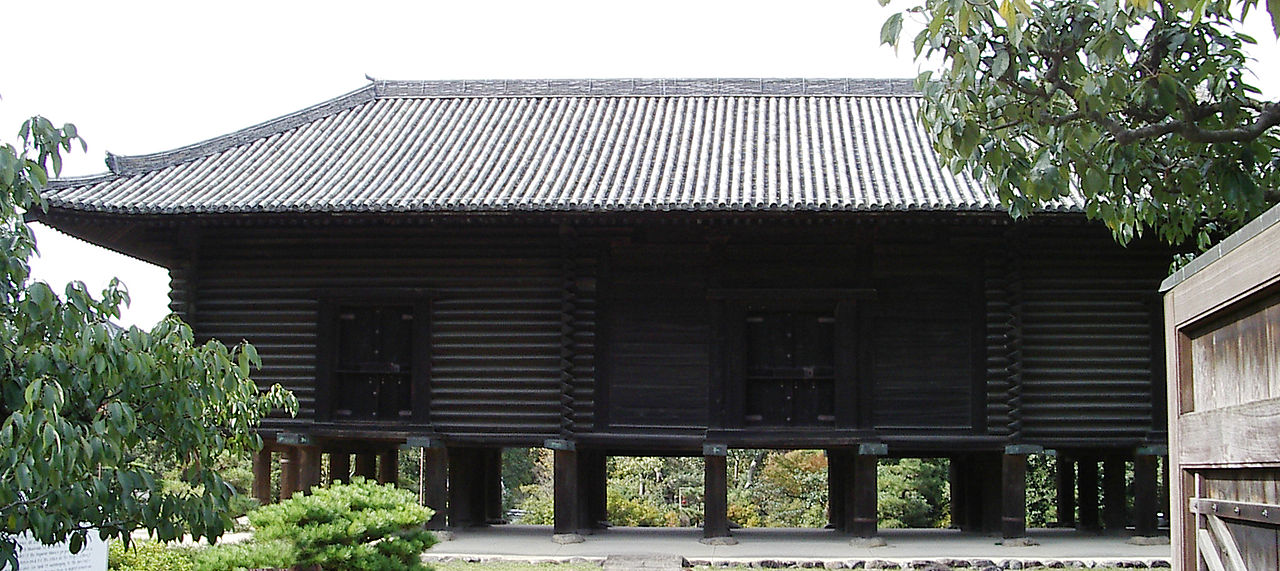
Historical and political context
The Jōgen era occurred shortly after the establishment of the Kamakura shogunate (late 12th century) and during the ascendancy of warrior families and their regents. While the imperial court at Kyoto continued its ceremonial and cultural role, real political force increasingly lay with the shogunate and the Hōjō regents who acted on behalf of the shogun. Court ceremonies, succession matters, and aristocratic patronage nevertheless remained significant at the capital during Jōgen.
Emperors and succession
- Emperor Tsuchimikado (土御門天皇): reigned until his abdication in 1210; his tenure overlapped the early Jōgen years.
- Emperor Juntoku (順徳天皇): succeeded in 1210 and continued into the subsequent era.
The transfer of the throne in 1210, from Tsuchimikado to Juntoku, is one of the principal imperial events occurring within Jōgen. Such imperial transitions were important markers for contemporary chroniclers and often influenced the choice of an era name.
Cultural and religious life
The early 13th century saw active religious ferment across Japan. Movements in Pure Land Buddhism, associated with teachers such as Hōnen, attracted adherents in both the capital and provinces. Zen schools were beginning to gain interest among some samurai and monastic circles, and Buddhist patronage by warrior elites and court nobles shaped artistic and literary production. While Jōgen itself is not defined by a single cultural breakthrough, it sits within this broader landscape of religious change.
Legacy and connections
Jōgen is bracketed by the preceding era, Ken'ei, and the following era, Kenryaku. As with other era names, Jōgen helps historians organize chronologies of court documents, temple records, and legal decisions. Studying Jōgen contributes to understanding how the imperial court and the emerging samurai governance interacted during the formative Kamakura decades.
For more on the system of era names and the broader period, see general references on the Japanese classical and medieval chronology and the political history of the Kamakura shogunate.
Related articles
Author
AlegsaOnline.com Jōgen (承元): a Japanese era of the early Kamakura period (1207–1211) Leandro Alegsa
URL: https://en.alegsaonline.com/art/50491
Sources
- books.google.com : "Jōgen"
- books.google.com : Annales des empereurs du japon, pp. 221-231
- books.google.com : Gukanshō, p. 340
- books.google.com : p. 229
- books.google.com : 230
- books.google.com : p. 341
- kunaicho.go.jp : Ceremony of Accession (Sokui-no-Rei)