
Genkyū (元久) — Japanese era name, 1204–1206
Genkyū was a Japanese era name (nengō) from February 1204 to April 1206 during the reign of Emperor Tsuchimikado in the early Kamakura period.
Overview
Genkyū (元久) was a Japanese era name used from February 1204 through April 1206. It followed the Kennin era and preceded the Ken'ei era. The era encompassed parts of the reign of Emperor Tsuchimikado and fell within the early decades of the Kamakura period, when political authority in Japan was shared between the imperial court in Kyoto and the warrior government in Kamakura.
Image gallery
2 Images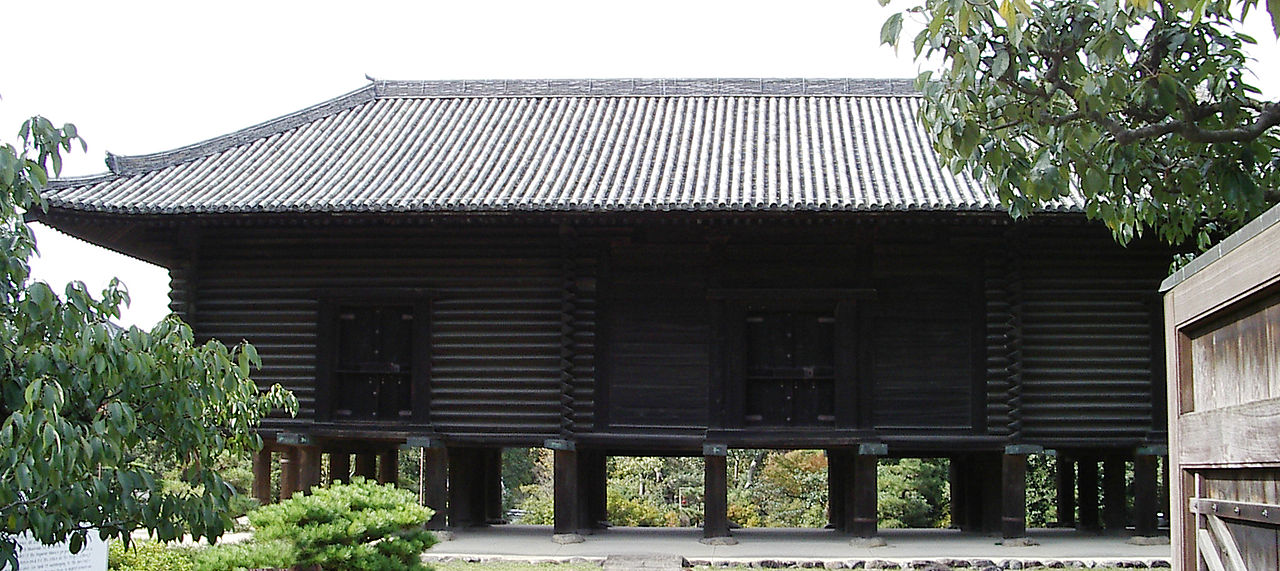

What an era name means
In Japan the system of era names, or nengō, assigns a title to a span of years used for official dating. Era names were traditionally adopted for a variety of reasons—auspicious omens, natural disasters, political changes, or at the beginning of an emperor's reign—and they appear on court records, inscriptions, and dated documents. Thus "Genkyū 1" corresponds to the year 1204 in the proleptic Gregorian reckoning.
Context and chronology
Genkyū directly followed the Kennin era and was succeeded by the Ken'ei era. Its two-year span makes it a relatively short nengō, a not-uncommon occurrence in medieval Japan when eras sometimes changed frequently. The period sits in the broader sweep of early Kamakura political history, when the newly established military government influenced court affairs but the imperial institution continued to set cultural and ceremonial standards.
Characteristics and uses
- Dating: Official documents, temple records, and chronicles used the era name to mark years.
- Ceremonial life: Court ceremonies and religious rites retained continuity under the era notation.
- Historical records: Historians use era names to place events within the Japanese chronological framework.
Because Genkyū covers a narrow slice of time, it is most often encountered in primary records and genealogies from the early 13th century rather than as a symbol of major long-term reforms. For readers tracing events across adjacent eras, recognising the switch from Kennin to Genkyū to Ken'ei helps align Japanese dated sources with the western calendar and with developments in the Kamakura polity.
For a general introduction to the practice of Japanese era names and their role in historical dating, see resources that explain nengō conventions and chronology, which place individual era titles like Genkyū in a continuous sequence of court dating.
Related articles
Author
AlegsaOnline.com Genkyū (元久) — Japanese era name, 1204–1206 Leandro Alegsa
URL: https://en.alegsaonline.com/art/38033
Sources
- books.google.com : "Genkyū"
- books.google.com : Annales des empereurs du japon, pp. 221-227
- books.google.com : Gukanshō, p. 340
- books.google.com : p. 227