
Kemal Sunal: Life and Legacy of a Turkish Screen Comic
Kemal Sunal (1944–2000) was a celebrated Turkish actor and comedian best known for his lovable everyman Şaban roles, social satire films, and lasting influence on Turkish popular culture.
Overview
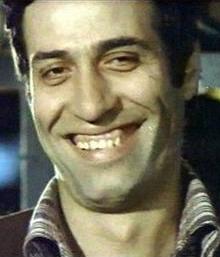
Kemal Sunal (1944–2000) was one of Turkey's most beloved film comedians. He rose to prominence in the 1970s and 1980s for playing simple, honest characters who face social absurdities with humor and warmth. His portrayals combined physical comedy, expressive timing and a sympathetic persona that appealed to wide audiences.
Image gallery
2 Images
Character and Themes
Among his recurring figures, the character Şaban became the most iconic: a good-hearted, often naïve everyman whose moral clarity highlighted social and economic inequalities. Sunal's films frequently depicted middle- and working-class settings and used comedy to reflect on everyday struggles, bureaucracy, and class relations without losing a humane tone.
Career and Notable Films
Sunаl began in theatre before moving into cinema and television. He worked with prominent directors and screenwriters of his time and starred in many popular comedies. Selected films and series that illustrate his range include:
- Hababam Sınıfı (school comedy ensemble pieces where he appeared in early roles)
- Tosun Paşa (period comedy)
- Kapıcılar Kralı (a satire about domestic life and social status)
- Çöpçüler Kralı and other socially aware comedies
- Süt Kardeşler and similar comic works blending slapstick and social satire
Legacy and Influence
Kemal Sunal's films remain widely watched in Turkey and among Turkish-speaking audiences abroad. Reruns on television, home video and online clips have sustained his popularity for new generations. Critics and fans often note how his work balanced popular humor with gentle social critique, influencing later Turkish comedians and filmmakers. For further context on his cultural role see analyses and retrospectives.
Personal Life and Death
Sunal kept much of his private life out of the tabloids but is known to have been a family man. His son, Ali Sunal, followed him into acting, and he has other children including a daughter often mentioned in biographical summaries. Kemal Sunal died of a heart attack while traveling by plane in Turkey in 2000; the circumstances and the outpouring of public grief are documented in contemporary reports and memorials (press accounts).
Today, Sunal is remembered not only for signature lines and physical comedy but for an enduring screen persona that gave dignity and humor to ordinary people, leaving a lasting imprint on Turkish popular culture.
Related articles
Author
AlegsaOnline.com Kemal Sunal: Life and Legacy of a Turkish Screen Comic Leandro Alegsa
URL: https://en.alegsaonline.com/art/52788