
Keichō era (1596–1615)
Japanese era name Keichō (慶長), 1596–1615: a period that saw Tokugawa ascendancy, the Battle of Sekigahara, the Siege of Osaka, and important cultural and administrative changes.
Keichō (慶長) was a Japanese era name used from October 1596 until July 1615. It followed the Bunroku era and preceded the Genna era. The term is a form of nengō (年号), the traditional system of naming years in Japan; its literal meaning is often rendered as "Eternal Jubilance." The emperors during Keichō were Go-Yōzei (後陽成天皇) and, from 1611, Go-Mizunoo (後水尾天皇).
Image gallery
7 Images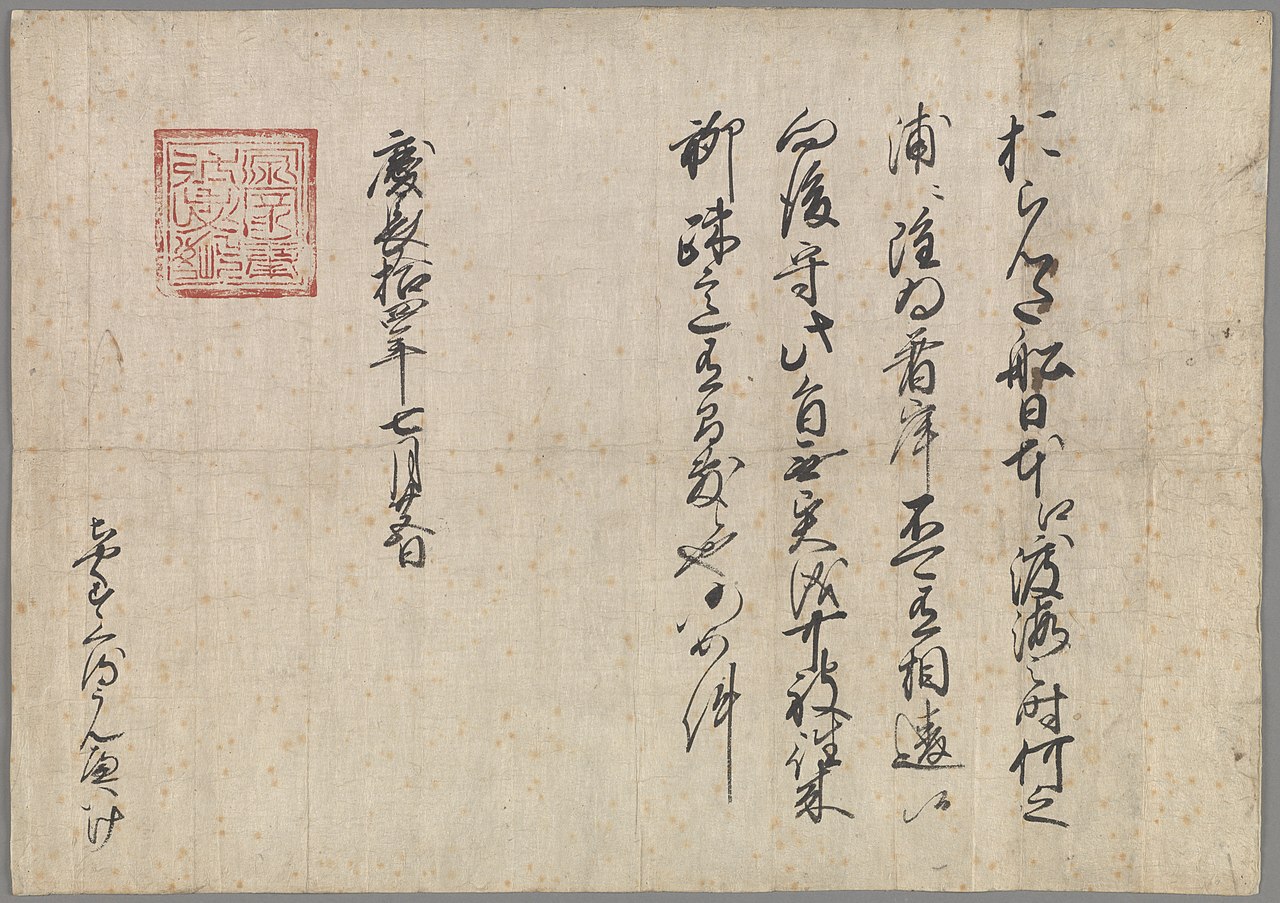




Political and military developments
The Keichō period is best known for the consolidation of power that produced the Tokugawa shogunate. Key events include the decisive Battle of Sekigahara in 1600, which established Tokugawa Ieyasu's predominance, and Ieyasu's appointment as shogun in 1603. The era closed with the campaigns against the Toyotomi clan at Osaka (Siege of Osaka, 1614–1615), which effectively removed a major rival to Tokugawa authority and helped secure a century of relative stability under the Tokugawa bakufu.
Timeline highlights
- 1596: Beginning of Keichō following Bunroku.
- 1600: Battle of Sekigahara reshapes national power.
- 1603: Tokugawa Ieyasu recognized as shogun; Edo gains importance as administrative center.
- 1614–1615: Siege of Osaka ends Toyotomi resistance.
- July 1615: Keichō era concludes and Genna begins.
Administration, law and economy
During Keichō the new Tokugawa leadership worked to standardize administration and stabilize landholding patterns. Policies focused on confirming daimyo domains, enforcing alternate attendance (sankin-kōtai) protocols in later development, and regulating commerce. The period also saw early measures against Christianity; in 1614 the Tokugawa authorities issued a major prohibition that marked a turning point in foreign missionary activity.
Culture and legacy
Keichō bridged late Momoyama aesthetics and the emerging Edo culture. Patronage of the arts, architecture, and the tea ceremony continued, while urban centers such as Edo and Osaka expanded as political and commercial hubs. The consolidation accomplished in this era set the conditions for the long peace and cultural florescence of the 17th and 18th centuries.
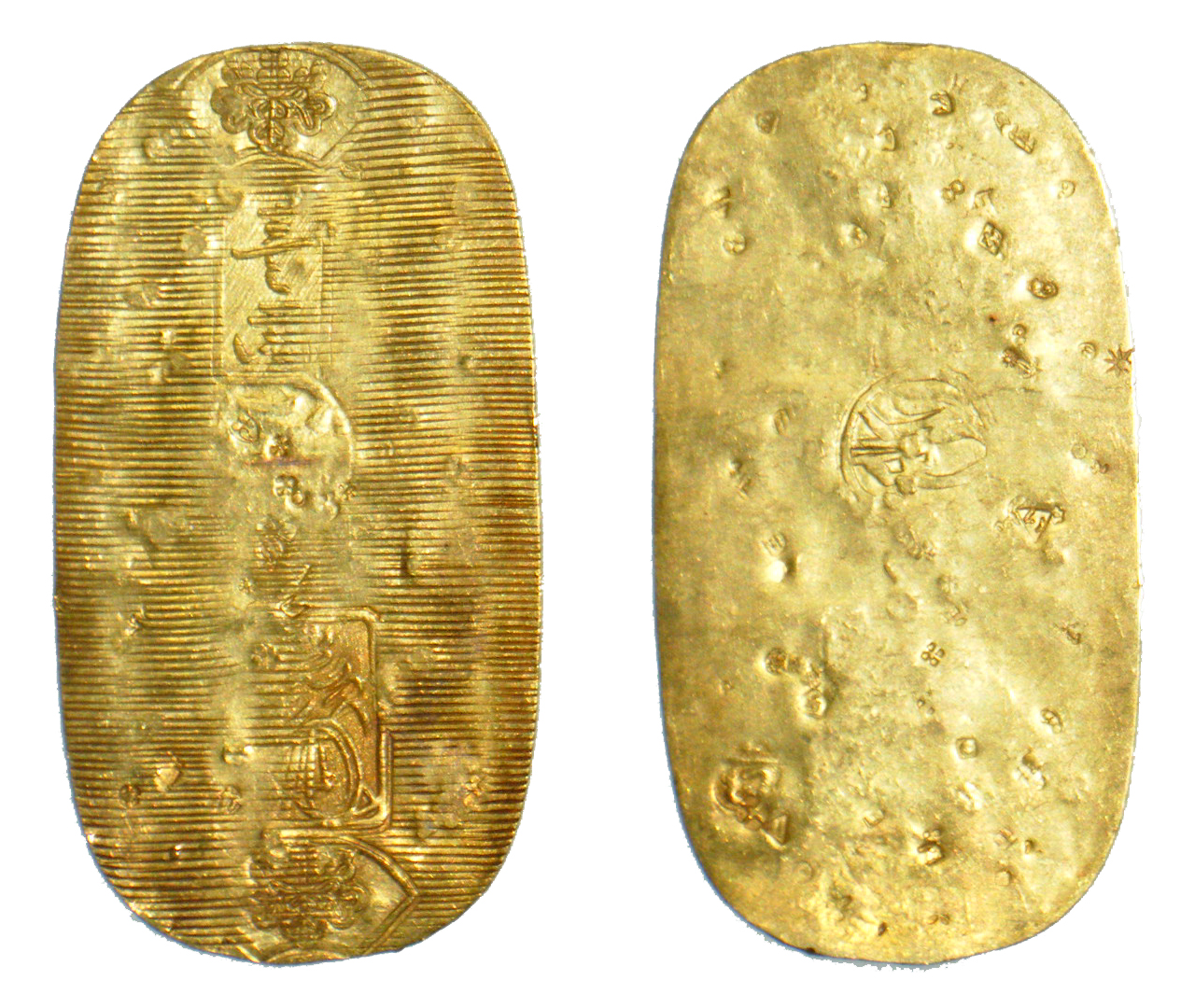
As an era name, Keichō is cited in documents, coins, and inscriptions of the time and remains a common reference point in studies of Japan's transition from medieval warfare to Tokugawa rule.
Related articles
Author
AlegsaOnline.com Keichō era (1596–1615) Leandro Alegsa
URL: https://en.alegsaonline.com/art/52712
Sources
- books.google.com : "Keichō"
- books.google.com : "Go-Yōzei Tennō,"
- books.google.com : "Go-Mizunoo Tennō,"
- books.google.com : Annales des empereurs du japon, pp. 402-410.
- books.google.com : Chikubushima: Deploying the Sacred Arts in Momoyama Japan, p. 24
- books.google.com : Early Modern Japan, p. 14.
- books.google.com : p. 405.
- google.com : The Japan of the Shoguns: the Tokugawa Collection, p. 123.
- books.google.com : p. 409.
- books.google.com : p. 409;
- books.google.com : Japans Kaiserhof in der Edo-Zeit,p. 186
- kunaicho.go.jp : Ceremony of Accession (Sokui-no-Rei)
- books.google.com : Time and Temporality in Intercultural Perspective, p. 96.
- mofa.go.jp : Japan-Mexico Relations