
Keddie murders (1981)
A notorious unsolved quadruple homicide at Cabin 28 of the Keddie Resort, Plumas County, California. Three victims were found April 1981; a fourth went missing and her remains were recovered in 1984.
Overview
The Keddie murders refer to a largely unsolved multiple homicide that occurred at the Keddie Resort in northeastern California in April 1981. The crime attracted national attention because of its violence, the remote mountain setting, the young ages of two victims, and the long-running failure of investigators to secure a conviction. The resort community and investigators have continued to seek answers for decades.
Image gallery
6 Images



Victims and discovery
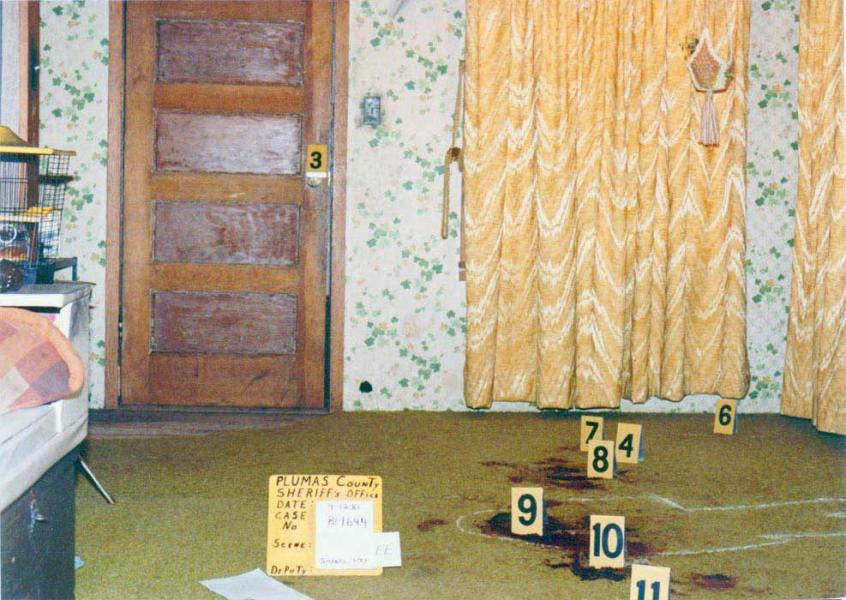
On the night of April 11–12, 1981, occupants and guests of Cabin 28 at the Keddie Resort discovered that multiple members of one family and a friend had been killed. The people associated with that cabin were:
- Glenna Sue Sharp (known as Sue), age 36
- John Sharp, age 15 (Sue's son)
- Dana Wingate, age 17 (a friend of John)
Following the discovery, Sue's younger daughter, Tina (age 12), was reported missing. In 1984 skeletal remains including a skull were located in Camp Eighteen in nearby Butte County; those remains were subsequently identified as Tina Sharp. The bodies originally discovered in Cabin 28 and Tina’s later-found remains made the incident a four-victim case.
Location and setting
The events took place in Keddie, California, a small mountain community and former resort area in Plumas County. Cabin 28 was part of a cluster of vacation cabins and was demolished in 2004 because of its association with the crime and ongoing interest in the site. The remote and closely knit nature of the community shaped both local reactions and investigative challenges.
Investigation and developments
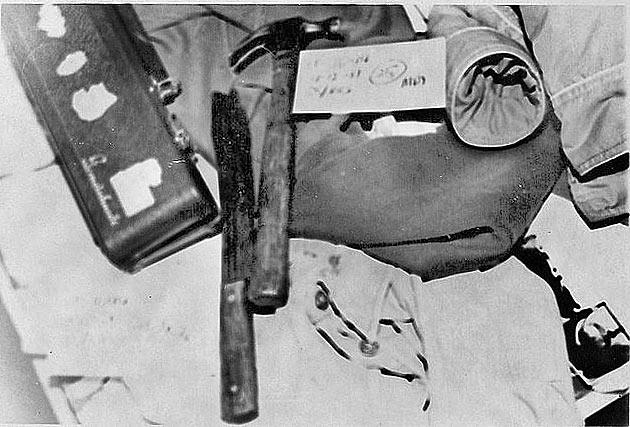
From the outset the case posed investigative difficulties. Law enforcement examined the scene, processed physical evidence, and interviewed many local residents and acquaintances. Over the years various leads were developed and reexamined as forensic methods improved, but no person has been convicted in connection with the murders. Authorities have described the case as an active cold case, and periodic publicity has led to renewed inquiries and public tips.
Impact and public attention
The Keddie murders remain one of California’s most discussed unsolved crimes. The case has generated substantial local trauma, national media attention, and interest from independent investigators and documentary-makers. Its unresolved status has contributed to a sense of frustration in the community and to ongoing calls for answers from family members and advocates.
Unresolved questions and legacy
Key unanswered questions include the identity and motive of the perpetrator or perpetrators and the precise sequence of events that led to the four deaths. While forensic science and investigative practice have advanced since 1981, the case illustrates how difficult it can be to convert evidence and leads into definitive legal outcomes. The Keddie murders are often cited in discussions of cold-case investigation, community responses to violent crime, and the limits of long-term evidence preservation.
Related articles
Author
AlegsaOnline.com Keddie murders (1981) Leandro Alegsa
URL: https://en.alegsaonline.com/art/52684
Sources
- sfgate.com : "Exorcising ghosts of past / New owner hopes to reopen resort haunted by 20-year-old slayings"
- nl.newsbank.com : "Brutal 3-Year-Old Triple Slaying Still Haunts Quiet Plumas Resort"
- crimemagazine.com : "Cold Case : Keddie Murders"