
Kasur District (Punjab, Pakistan)
Kasur District is an administrative district in Punjab province of Pakistan, centered on the city of Kasur. It is noted for Sufi heritage, agriculture, leather and floriculture, and its border location.
Kasur District (Urdu: ضلع کسر) is an administrative district in the Punjab province of Pakistan. The district's administrative centre is the city of Kasur. Situated southeast of Lahore, Kasur forms part of the fertile alluvial plain of the lower Indus basin and has a mix of urban centres and agricultural countryside.
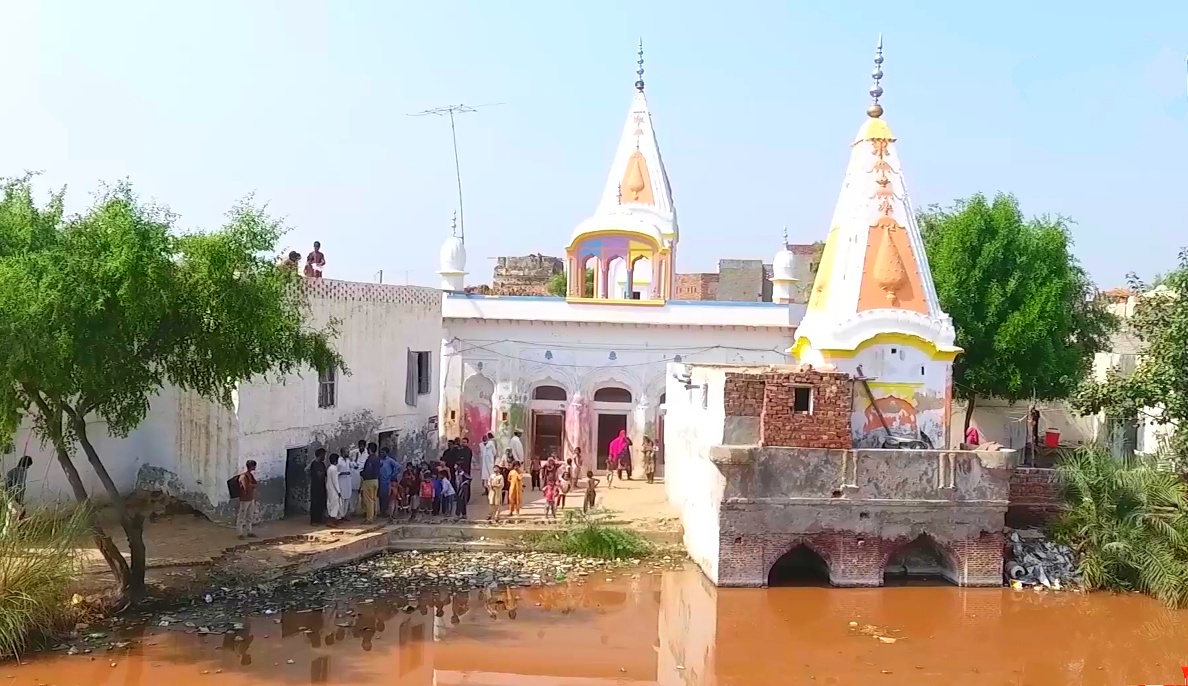
Image gallery
8 Images



Geography and location
Kasur lies near the eastern border with the Indian state of Punjab and is crossed by seasonal streams and irrigation canals that feed its farmland. The district's landscape is predominantly flat and used intensively for crops such as wheat, rice and sugarcane, with pockets of urban development along main transport routes toward Lahore and Okara.
History and cultural significance
The city of Kasur has deep historical roots and local tradition traces its foundation to Pashtun settlers of the Kheshgi clan in the early modern period. Kasur is widely known for its Sufi heritage: the tomb of the 17th–18th century Punjabi Sufi poet and saint Bulleh Shah is a focal point for pilgrims and cultural gatherings, and the district retains a strong legacy of Punjabi folk music and devotional poetry.
Administration
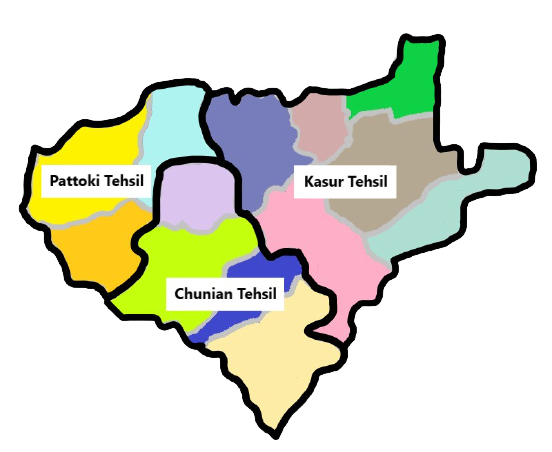
The district is divided into several tehsils, each responsible for local governance and services. Major administrative subdivisions include:
- Kasur Tehsil
- Pattoki Tehsil
- Chunian Tehsil
- Kot Radha Kishan Tehsil
Economy and society
Agriculture forms the economic backbone of Kasur, complemented by small-scale industry. The district has a notable tanning and leather-processing sector centred near urban areas, and Pattoki is well known locally for floriculture and plant nurseries. Punjabi and Urdu are the principal languages, and religious and cultural festivals tied to Sufi shrines remain important to community life.
Kasur's proximity to Lahore gives it strategic importance for trade and commuting, while its border location influences security, trade and cross-border relations. Contemporary challenges include managing urban growth, water and sanitation needs, and balancing industrial activity with agricultural livelihoods and cultural preservation.
Related articles
Author
AlegsaOnline.com Kasur District (Punjab, Pakistan) Leandro Alegsa
URL: https://en.alegsaonline.com/art/52463