
Kassite dynasty of Babylon
The Kassite dynasty ruled Babylonia after the fall of the First Dynasty of Babylon, maintaining Mesopotamian institutions for centuries and leaving distinctive administrative and artistic legacies.
The Kassite dynasty governed Babylon for several centuries after the collapse of the old Amorite line. Emerging from the highland regions east of Mesopotamia, the Kassites established control in southern Mesopotamia and presided over a long period of relative continuity in administration, religion and cultural production.
Image gallery
10 Images


Origins and rise to power
The Kassites were a people associated with the Zagros foothills whose language and early history remain poorly documented. They became prominent in southern Mesopotamia following the disruption caused by the Hittite sack of Babylon in the late second millennium BCE. From that point a sequence of Kassite rulers consolidated authority in the city of Babylon and the surrounding provinces, restoring order and integrating into local political and religious life. For city-specific context see Babylon.
Government, society and culture
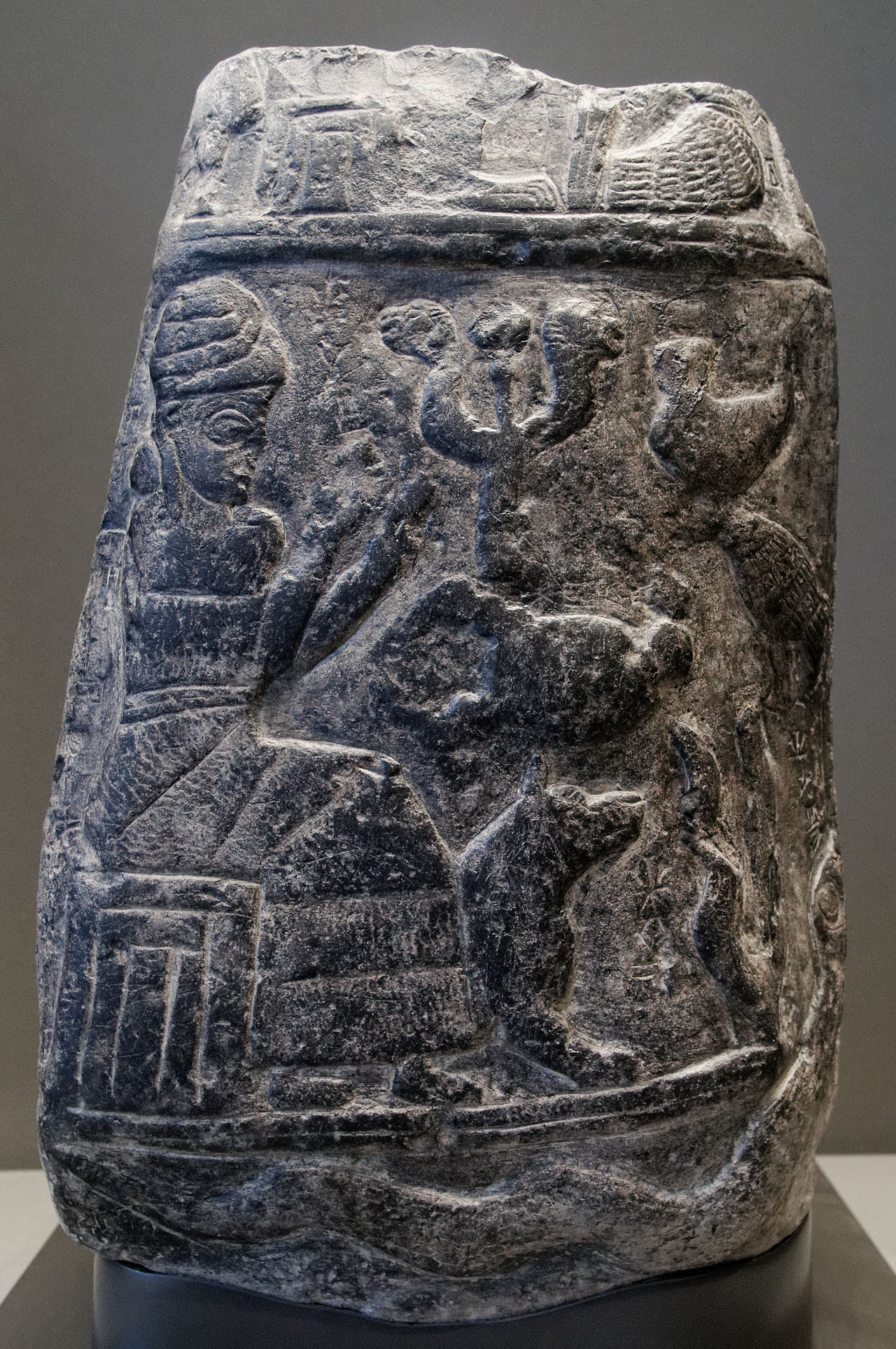
Kassite kings adopted many Babylonian traditions and used the Akkadian language for administration while retaining distinct royal names and some homeland customs. They founded or rebuilt cities—most famously Dur-Kurigalzu—patronized temple construction, and maintained irrigation and legal systems. A notable administrative innovation are the stone boundary stones, or kudurru, recording land grants and legal privileges.
Foreign relations and diplomacy
The Kassite court engaged in wide diplomacy with neighboring states: Assyria, the Hittites, Egypt and various Syrian polities. Marriages, treaties and gift exchanges appear in cuneiform archives and show that Kassite kings sought to position Babylon within regional networks of alliance and trade. Northern regions under their control are sometimes described collectively as northern Babylonia.
Decline and legacy
After several centuries the Kassite state weakened under external pressure and internal difficulties; invasions from Elam and shifts in regional power brought the dynasty to an end in the late second millennium BCE. Nevertheless, Kassite rule preserved Babylonian institutions during a turbulent era and left lasting material culture: architectural remains, kudurru inscriptions and royal archives that illuminate Mesopotamian law, landholding and international relations.
- Distinctive features: durable rule, integration with Babylonian religion, kudurru land records.
- Major centres: Babylon, Dur-Kurigalzu.
- Historical importance: helped stabilize Mesopotamia and sustain cuneiform culture across generations.
Scholars continue to refine the chronology, language and social origins of the Kassites, but their long tenure over Babylon marks an important chapter in ancient Near Eastern history.
Related articles
Author
AlegsaOnline.com Kassite dynasty of Babylon Leandro Alegsa
URL: https://en.alegsaonline.com/art/52457