
Kannur: History, culture and significance of a coastal city in Kerala
Kannur is a coastal city in the state of Kerala, India, known for its historic forts, ritual arts such as Theyyam, beaches and a distinctive colonial and maritime heritage.
Overview
Kannur is a city on the Malabar Coast in the southern Indian state of Kerala. It serves as the administrative centre of Kannur district and is an important regional hub for commerce, culture and transport. Long associated with maritime trade, the city blends ancient temples and ritual traditions with colonial-era monuments and modern civic institutions.
Image gallery
10 Images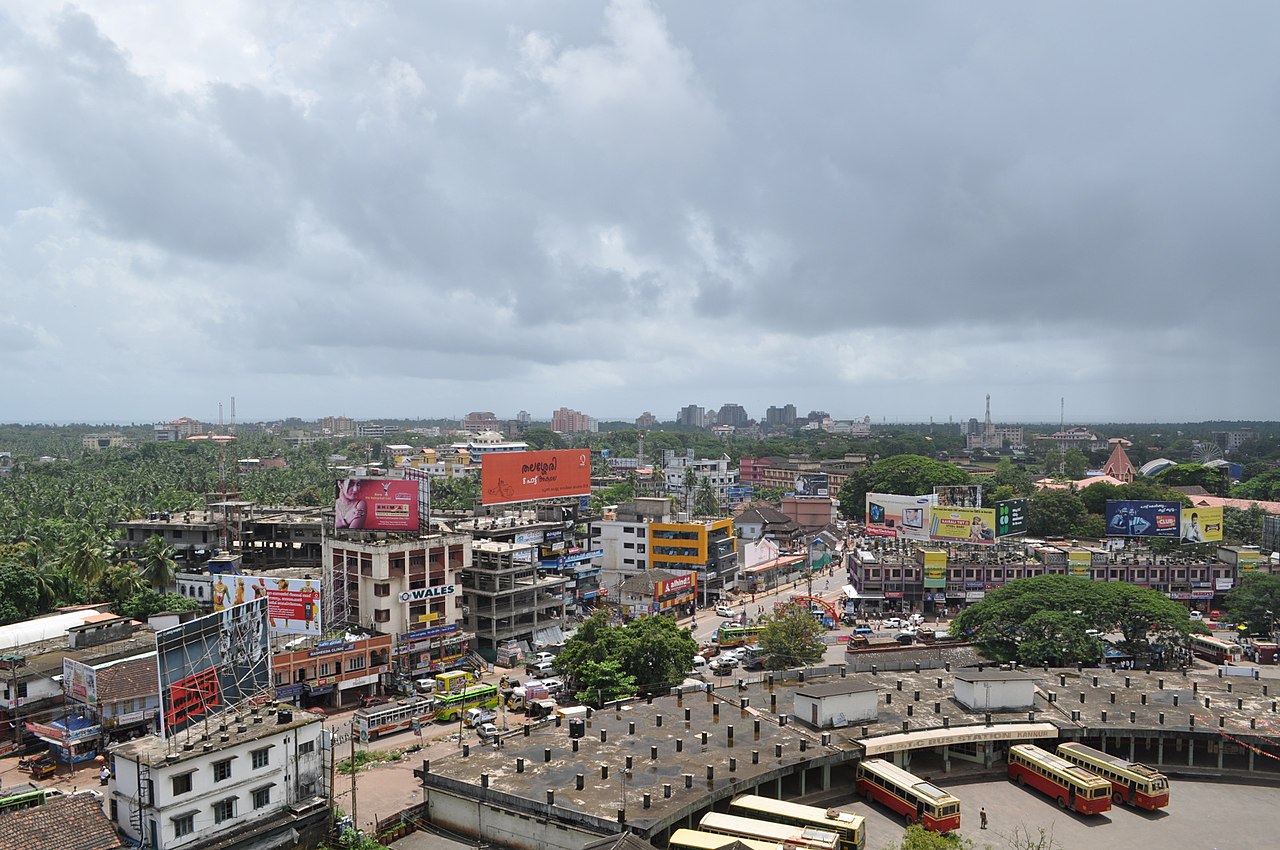


Geography and administration
Situated along the Arabian Sea, Kannur's coastal setting shapes much of its economy and lifestyle. The city is part of a larger district that includes coastal plains, rivers and agricultural land. Kannur Municipality governs the urban core and provides civic services; the district administration is headquartered in the city. Malayalam is the principal language of daily life, with English commonly used in education and administration.
History and name
The name Kannur is the Malayalam form of the anglicised old name 'Cannanore'. Several explanations for the name exist in local tradition. One view traces it to an older settlement called Kanathur; another links the name to a compound of Kannan (a common name for Lord Krishna) and ur (place), suggesting a connection with Krishna worship. The Katalayi Sreekrishna shrine figures in these accounts: the temple's deity was historically associated with a shrine in the southeastern part of present-day Kannur, and local toponyms preserve that memory. Over centuries Kannur was a node on Indian Ocean trade routes and encountered repeated contact with European colonial powers, leaving behind forts, churches and trading posts.
Culture and arts
Kannur is notable for its living ritual and performing traditions. Theyyam, an elaborate ritual art form combining dance, costume, and shrine performance, is widely practised in the surrounding rural areas and attracts visitors for its dramatic masks and ceremonies. The city and district also maintain strong temple traditions, coastal festivals, and local craft practices such as handloom weaving and small-scale cottage industries.
Landmarks and tourism
Visitors to Kannur can find a mixture of natural and historical attractions. Notable sites include beaches popular for relaxation and recreation, several colonial-era forts and structures, and museums that document regional history. Examples of attractions commonly associated with the area are:
- Coastal beaches suitable for leisure and seasonal events.
- Historic forts and trading posts that testify to Portuguese, Dutch and later colonial contacts.
- Temples and family shrines where ritual performances like Theyyam continue to be held.
- Local markets and weaving centres that reflect traditional crafts and commerce.
Economy and transport
Kannur's economy combines maritime activity, fishing, agriculture in surrounding areas, small industries and services related to tourism. Transport links include road and rail connections to other parts of Kerala and neighbouring states, and regional air service has improved accessibility for travellers. The city's harbour and coastal geography remain important for local fisheries and trade.
Distinctive facts
Kannur's layered identity—an indigenous Malayalam cultural core, temple-centered traditions, and a visible colonial-era architectural legacy—makes it distinctive among Kerala's coastal cities. The anglicised form Cannanore preserves a version of the older name in many historical records, while local usage favours Kannur. Religious and ritual sites such as the Katalayi Sreekrishna tradition are part of the place-name stories, recalling how culture and faith have shaped the city's identity (Kannan / Lord Krishna). For regional context within the nation, Kannur is situated in India, where it contributes to the cultural and economic mosaic of the southwestern coast.
Readers seeking more detailed, practical or academic resources about Kannur can consult municipal records, state tourism materials and regional studies that cover the city's archaeology, maritime history and contemporary development. Where available, local museums and cultural centres provide first-hand information on the performances, crafts and historical objects that define Kannur's public life.

Related articles
Author
AlegsaOnline.com Kannur: History, culture and significance of a coastal city in Kerala Leandro Alegsa
URL: https://en.alegsaonline.com/art/52134