
Kangaroo Island: geography, ecology, history and human uses
Kangaroo Island, off South Australia, is a large biodiverse island known for protected parks, unique wildlife, agriculture and tourism. This article summarizes its geography, history and contemporary significance.
Overview
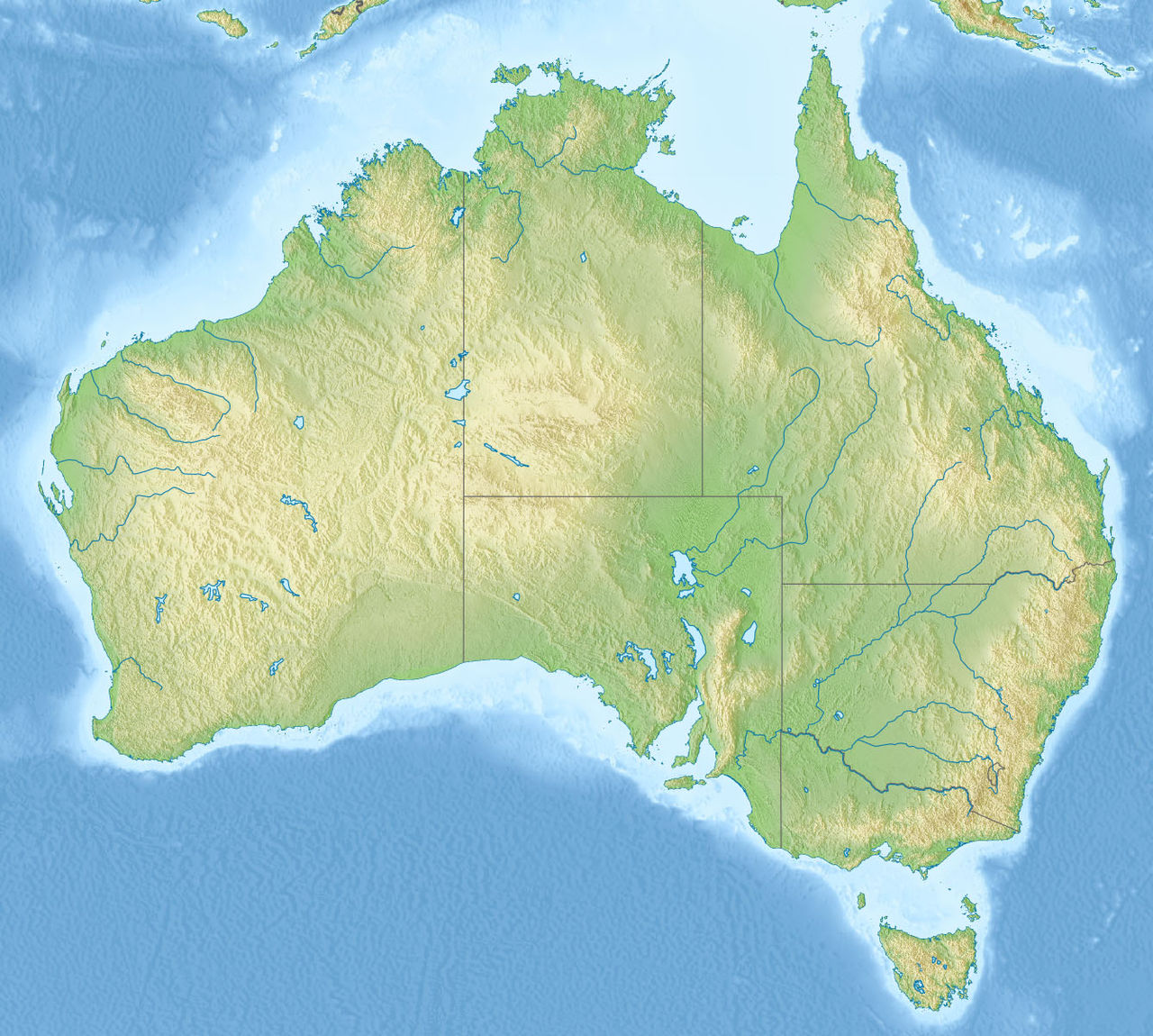
Kangaroo Island lies off the coast of South Australia, about 112 kilometres southwest of Adelaide. It is the third-largest Australian island after Tasmania and Melville Island, with an area of approximately 4,405 km² and a coastline near 540 km. The island stretches roughly 150 km in length, varies from under a kilometre to about 57 km in width, and reaches a maximum elevation of about 307 m. At its nearest point it sits some 13 km from the mainland near Cape Jervis.
Image gallery
10 Images


Geography, climate and natural features
Kangaroo Island is the remnant of older landforms isolated from the mainland by post‑glacial sea‑level rise. Its landscapes include rugged coastal cliffs, sheltered bays, sand dunes and heathland, along with patches of mallee and eucalypt woodland. The climate is typically temperate maritime, with mild, wet winters and warm, relatively dry summers. These conditions support a diversity of native plants and animals, and several large conservation reserves protect significant habitats.
Ecology and wildlife
The island is notable for abundant native fauna and for populations that have persisted with fewer introduced predators than on the mainland. Species commonly associated with the island include kangaroos, wallabies, koalas, various seabirds and marine mammals. Several areas are managed for conservation, including national parks and wilderness protection zones, which aim to safeguard endemic plants, birdlife and coastal ecosystems.
Human history and development
Human contact intensified after European sealing and whaling activity in the early 19th century, followed by permanent agricultural settlement. Kangaroo Island became part of the colony and later the state administration of South Australia. Over time the economy developed around mixed farming, grazing, boutique agriculture and beekeeping — the island is widely known for distinctive honey and artisanal food products. Modern infrastructure links the island to the mainland by ferry services and charter transport.
Tourism, economy and conservation
Tourism is an important component of the local economy: visitors come for wildlife viewing, coastal scenery, walking trails and protected sites such as Flinders Chase National Park. Land use balances production, tourism and conservation, and recent environmental events have highlighted the need for ongoing ecological management and fire preparedness. Research, local stewardship and protected areas aim to maintain the island's unique natural values for future generations.
Notable facts and resources
- Third-largest Australian island by area.
- Close enough to the mainland to be reached by regular ferry links; regional air services also operate.
- Home to important conservation reserves and distinctive agricultural products.
For general information about Australia and regional context see Australia resources, or regional overviews at island listings and travel or government pages linked here: Tasmania and large-island comparisons, Adelaide transport links, South Australia administration.
Questions and answers
Q: What is Kangaroo Island and where is it located?
A: Kangaroo Island is Australia's third-largest island located 112 kilometers southwest of Adelaide in the state of South Australia.
Q: How far is Kangaroo Island from Cape Jervis?
A: Kangaroo Island is 13 kilometers offshore from Cape Jervis.
Q: What is the size of Kangaroo Island?
A: Kangaroo Island is 150 kilometers long, between 900 meters and 57 kilometers wide, and covering an area of 4,405 square kilometers.
Q: What is the length of Kangaroo Island's coastline?
A: Kangaroo Island's coastline is 540 kilometers long.
Q: What is Kangaroo Island's highest altitude?
A: Kangaroo Island's highest altitude is 307 meters (1,010 feet) above sea level.
Q: What are the two largest islands in Australia?
A: The two largest islands in Australia are Tasmania and Melville Island.
Q: In which state of Australia is Kangaroo Island located?
A: Kangaroo Island is located in the state of South Australia.
Related articles
Author
AlegsaOnline.com Kangaroo Island: geography, ecology, history and human uses Leandro Alegsa
URL: https://en.alegsaonline.com/art/52099
Sources
- environment.sa.gov.au : "South Australian National Parks & Reserves - Kangaroo Island Region"
- kangarooisland.sa.gov.au : "Dog and Cat Management Plan"
- tomm.info : "Visitor Exit Surveys"