
Kamaishi, Iwate
Coastal city in Iwate Prefecture, Japan, known for its long steelmaking history, repeated tsunami damage (1896 and 2011), recovery efforts, and a strong local rugby tradition.
Overview
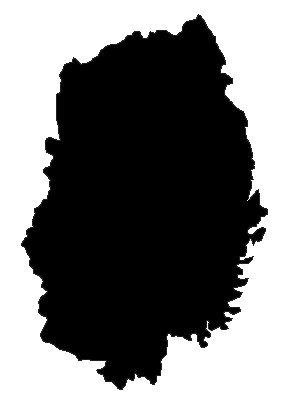
Kamaishi is a coastal city on the Sanriku Coast in northeastern Japan, administratively part of Iwate Prefecture. As of March 2020 the city had about 32,600 residents. Historically a fishing and industrial port, Kamaishi is best known for its long association with iron and steel production, its vulnerability to tsunamis, and its role in modern recovery and community resilience.
Image gallery
6 Images



Geography and economy
Kamaishi occupies a narrow, sheltered ria (deep, indented) coastline with steep hills rising quickly from the sea. The natural harbour supported traditional fisheries and later coastal industry. From the Meiji period through the 20th century, ironworks and steelmaking were central to the local economy, shaping the townscape with factories, docks, and worker communities. Today the local economy mixes fishing, light industry, services, and tourism focused on industrial heritage and disaster memorials.
History and notable events
Kamaishi's long industrial history includes early ironworking sites and the development of modern steel facilities that supplied domestic needs. The city experienced military and industrial targeting during the 20th century and was affected by operations in and around World War II; for documented wartime events see contemporary World War II records. Throughout its history, the community has repeatedly rebuilt after major disasters.
Major disasters and recovery
Kamaishi was devastated by the 1896 Meiji-Sanriku earthquake and tsunami on June 15, 1896. More than a century later the 2011 Tōhoku earthquake and tsunami again caused catastrophic damage to the city and its coastline. Recovery since 2011 has combined reconstruction of housing and port facilities with large investments in seawalls, new levees, community planning, memorials and museums. Information about the 2011 event and reconstruction efforts can be found via resources on the 2011 Tōhoku earthquake.
Culture, sport and points of interest
Kamaishi retains a distinct community identity. It is known nationally for its rugby heritage, having produced successful club teams and hosting matches at the post-2011 Kamaishi Recovery Memorial Stadium. Visitors may also explore sites related to the city's steelmaking past, memorials to tsunami victims, and local seafood markets.
Demographics and significance
Like many regional Japanese cities, Kamaishi faces population decline and an aging demographic, challenges that shape planning and local services. Its repeated experience with seismic events and visible recovery work make Kamaishi a frequently cited example in discussions of coastal disaster mitigation, industrial history, and community resilience.
Related articles
Author
AlegsaOnline.com Kamaishi, Iwate Leandro Alegsa
URL: https://en.alegsaonline.com/art/52020