
Justin Martyr: Early Christian Apologist and Martyr
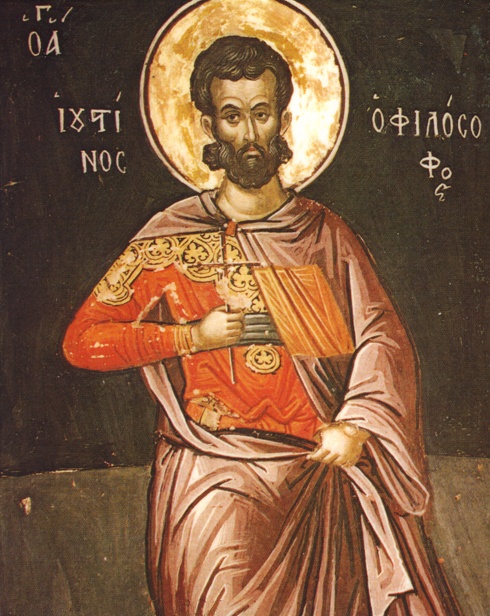
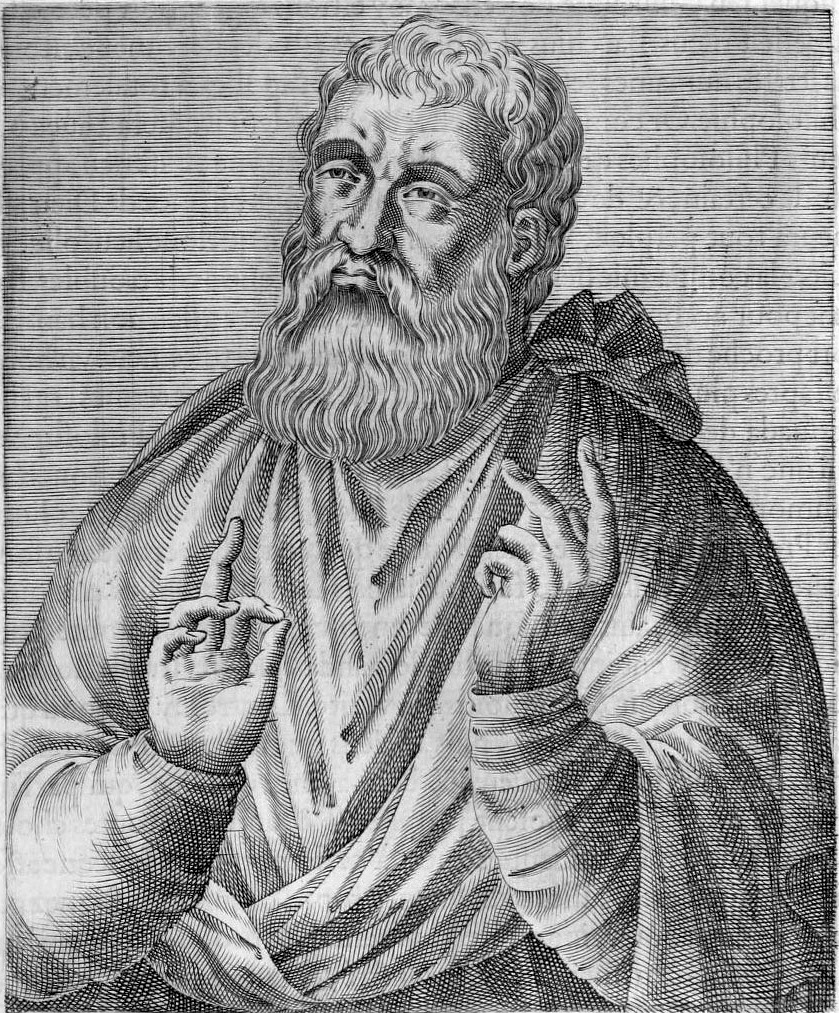
Justin Martyr (c.100–c.165) was an early Christian philosopher and writer from Neapolis (modern Nablus) who defended Christianity in Greek and was executed in Rome; his apologies and Dialogue shaped early theology.
Overview
Justin, commonly called Justin Martyr, was an influential second‑century Christian apologist and philosopher. Born near Neapolis (modern Nablus) in the eastern Mediterranean, he is traditionally dated to the first half of the second century and is identified with the Christian community that emerged from Hellenistic and Jewish environments. He sought to explain Christian belief in terms intelligible to a Greco‑Roman audience and to defend it against legal and intellectual attacks.
Image gallery
10 Images



Life and conversion
Early accounts portray Justin as a disciple of classical philosophy who explored Stoicism, Platonism and other schools before embracing Christianity. He combined philosophical vocabulary with biblical interpretation, arguing that Christian truth fulfilled the highest insights of philosophy. He established a school in Rome and corresponded with authorities and critics to explain Christian practice and doctrine. His background made him a bridge figure between Jewish and Gentile intellectual traditions and between churches and curious pagans.
Writings and theology
Justin's surviving works are among the earliest Christian apologies written in Greek. He emphasized the Logos — a philosophical term he used to describe Christ as the rational principle and revealer of God — and argued that Christians worship the one true God and live moral lives consonant with reason. He appealed to prophecies in the Hebrew Scriptures and to moral exemplars to demonstrate continuity between Jesus and Israel's tradition.
- First Apology — defense addressed to the Roman authorities, explaining Christian beliefs and practices.
- Second Apology — follow‑up defense, reacting to renewed persecutions and misunderstandings.
- Dialogue with Trypho — a longer work in dialogue form describing debates with a Jewish interlocutor about Christology and scriptural interpretation.
Martyrdom and legacy
Justin was arrested and executed in Rome for refusing to sacrifice to the emperor and for persisting in Christian teaching; later tradition places his death under the reign of Marcus Aurelius. His martyrdom and writings made him a leading example of the early Christian defense of faith by reasoned argument and witness. Church historians remember him as a saint and a principal source for understanding early Christian worship, baptismal practice and doctrinal development.
Notable facts and distinctions
Justin's work is valuable for how it records early Christian liturgy and apologetic method. He sought dialogue with both Jewish and pagan audiences and used philosophical categories to articulate Christian claims. For further reading on his life and texts see scholarly introductions and editions of his writings. His birthplace is often linked to the region now called the West Bank, his arrest and execution are described in accounts summarized as his being martyred, and traditions place those events in Rome.
Related articles
Author
AlegsaOnline.com Justin Martyr: Early Christian Apologist and Martyr Leandro Alegsa
URL: https://en.alegsaonline.com/art/51782
Sources
- newadvent.org : "Catholic Encyclopedia: St. Justin Martyr"