
Nablus — historic city of Shechem in the northern West Bank
Nablus (ancient Shechem/Neapolis) is a Palestinian city in the northern West Bank, set between Mount Ebal and Mount Gerizim. It is known for its old city, cultural heritage, religious significance and markets.
Overview
Arabic: نابلس (Nablus) is a Palestinian urban center in the northern West Bank, situated in a fertile valley between Mount Ebal to the south and Mount Gerizim to the north. The modern city grew near the ancient site long identified with the biblical city of Shechem; during classical antiquity the settlement was known by its Greek name Νεάπολις (Neapolis). Nablus functions today as a commercial, cultural and educational hub for the surrounding region.

Image gallery
10 Images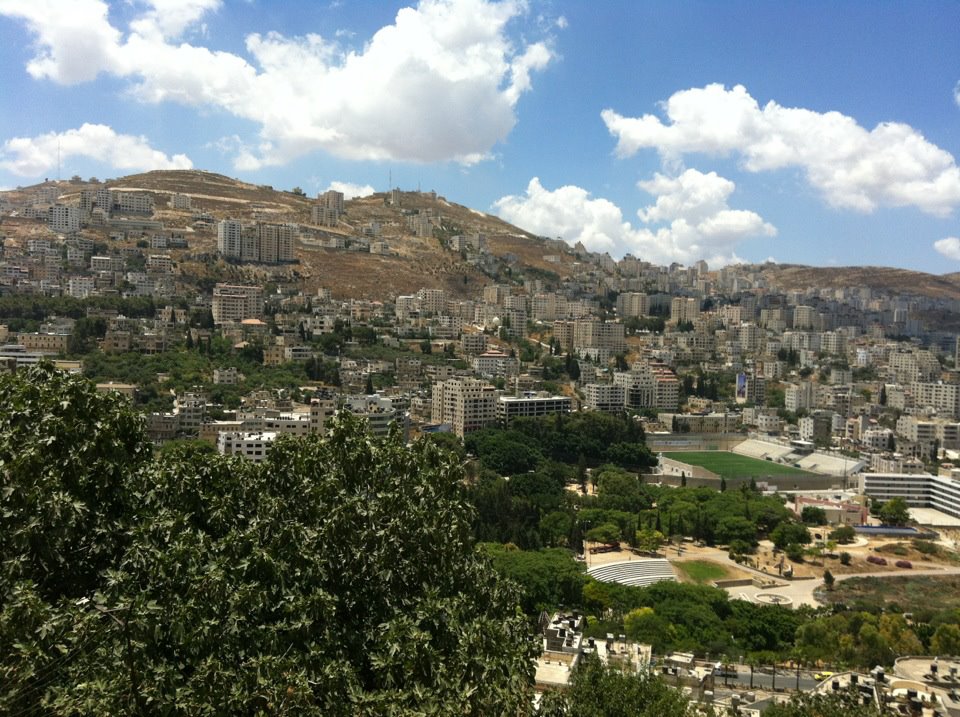


Geography and urban character
Nablus occupies a narrow valley flanked by prominent limestone hills. Its historic core contains narrow alleys, Ottoman-era soap factories and traditional markets. The surrounding countryside is known for olive groves and terraces, and the adjacent archaeological mound often associated with ancient Shechem is a prominent local landmark.
History and religious significance
The site has a long, layered history: Canaanite and Israelite settlements, later Hellenistic and Roman phases, and continued habitation through Byzantine, Islamic, Crusader and Ottoman periods. Samaritan communities maintain a religious presence on Mount Gerizim nearby, and several sites in and around the city are important to Jews, Christians and Muslims. For example, the location traditionally venerated as the burial place of the patriarch Joseph — linked in local tradition to Jacob and his descendants — is near the eastern side of the built-up area. Jewish and Muslim traditions both attach significance to elements of the city; such associations are part of its layered cultural memory and contested history.
Economy, culture and notable features
Nablus has been known for specific artisanal trades: soap made from olive oil, production of olive oil itself, and distinctive sweets such as kanafeh. Its historic souks and stone architecture attract visitors and researchers alike. Educational institutions, traditional crafts and marketplaces sustain the city's role as a regional center.
Distinctions and contemporary context
- The name reflects multiple eras: local Semitic names, the Hebrew identification with Shechem (Hebrew: שכם) and the later Greek Neapolis.
- Religious sites and traditions, including those referenced by local tradition, contribute to Nablus's importance for different communities.
- As a modern Palestinian city, Nablus plays an ongoing administrative and cultural role while also preserving an extensive archaeological and urban heritage.
Questions and answers
Q: What is the Arabic name for Nablus?
A: The Arabic name for Nablus is نابلس Nāblus [næːblʊs].
Q: What is the Hebrew name for Nablus?
A: The Hebrew name for Nablus is שכם Šəḵem.
Q: What are the two mountains near Nablus?
A: The two mountains near Nablus are Mount Ebal (the mount of the blessing) in the south and Mount Gerizim (the mount of the curse) in the north.
Q: Who was buried on the eastern side of Nablus?
A: Joseph, son of Jacob, was buried on the eastern side of Nablus.
Q: Is there a Greek name for Nablus?
A: Yes, there is a Greek name for Nabulas which is Νεάπολις Νeapolis.
Q: According to Jewish tradition, what city was considered to be first Jewish city in the world?
A: According to Jewish tradition, the city of Nabulas was considered to be first Jewish city in the world.
Related articles
Author
AlegsaOnline.com Nablus — historic city of Shechem in the northern West Bank Leandro Alegsa
URL: https://en.alegsaonline.com/art/68052