
Jusztin Nándor Takács — Hungarian Roman Catholic Bishop
Jusztin Nándor Takács (1927–2016) was a Hungarian Roman Catholic prelate who led the Diocese of Székesfehérvár from 1991 to 2003 and remained a notable church figure until his death.
Jusztin Nándor Takács (15 January 1927 – 11 July 2016) was a Hungarian Roman Catholic prelate best known for serving as the bishop of the Diocese of Székesfehérvár between 1991 and 2003. Born in the village of Rábacsanak, Hungary, he became a priest and later rose to the episcopacy during a period of significant change for the Catholic Church in Hungary.
Image gallery
2 Images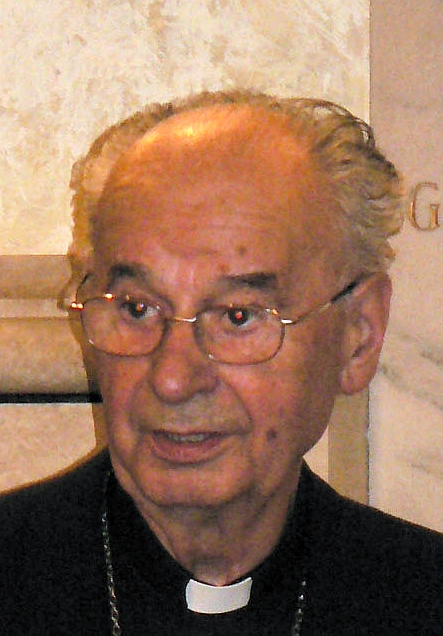
Biography and ecclesiastical career
Takács's public ministry spanned the late communist era and the early years of Hungary's return to democratic governance. He was appointed bishop in 1991, a time when dioceses across the country were rebuilding institutions, re-establishing charitable works, and renewing parish life after decades of state pressure. He led the Diocese of Székesfehérvár until his retirement in 2003, which followed the customary practice under Canon Law for bishops to offer their resignation upon reaching the age of 75.
Roles and responsibilities
- Overseeing the diocesan administration and pastoral programs.
- Ordaining priests and confirming laypeople in the diocese.
- Representing the local church in public, ecumenical, and civic matters.
As diocesan bishop, Takács would have been responsible for shaping clergy formation, promoting catechesis, and supporting parish communities across the historic region centered on Székesfehérvár. The diocese itself is one of Hungary's long-established sees, and leadership there involves both pastoral care and stewardship of local church heritage. For general information about the diocese he led, see Székesfehérvár Diocese.
Legacy and later life
After retiring in 2003, Bishop Takács remained a respected figure within the Hungarian Catholic community. He died on 11 July 2016 in Székesfehérvár from complications of pneumonia at the age of 89. Contemporary news accounts and diocesan statements documented his passing and reflected on his years of service in reports of his death. His tenure is remembered in the context of the Church's renewal in post-communist Hungary and the pastoral continuity he provided to his diocese.
Notable facts about his episcopate include that his term bridged a major societal transition and that his retirement conformed to long-standing canonical norms. While individual initiatives and local projects from his years as bishop belong to diocesan records, his overall contribution is commonly framed as part of the wider recovery and reorganization of the Catholic Church in Hungary after 1990.
Related articles
Author
AlegsaOnline.com Jusztin Nándor Takács — Hungarian Roman Catholic Bishop Leandro Alegsa
URL: https://en.alegsaonline.com/art/51783