
Juan Ruiz de Alarcón: Novohispanic dramatist of the Spanish Golden Age
Overview of Juan Ruiz de Alarcón (c.1581–1639), a major New Spanish dramatist of the Spanish Golden Age: life, themes, notable works and his continuing literary reputation.
Juan Ruiz de Alarcón y Mendoza (born c.1581 in the mining town now called Real de Taxco, New Spain; died August 4, 1639) is remembered as one of the most accomplished dramatists who originated in the Americas and wrote for the Spanish stage of the early 17th century. Writing during the Spanish Golden Age, he is often contrasted with his more prolific Madrid contemporaries for the moral seriousness and psychological acuity of his plays.
Image gallery
7 Images
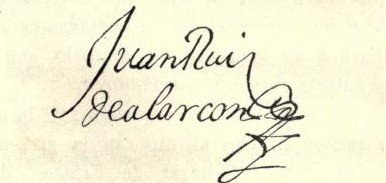


Life and career
Alarcón left New Spain for Spain to pursue legal studies and a professional life in the imperial capital. He worked both as a lawyer and as a playwright, seeking the patronage and audiences of Madrid. Contemporary accounts note that he faced social obstacles—partly because he was a colonial-born writer and because a physical deformity affected how others received him—but his writing gradually won respect for its craft and coherence.
Characteristics and themes
His dramas are known for concise plotting, clear moral focus and well-drawn characters. Alarcón frequently explored themes of honor, truth and hypocrisy, staging social dilemmas that reveal private motives and social pretenses. Compared with the exuberant misrule and crowd-pleasing spectacle of some peers, his comedies often rely on irony, dialogue and ethical tension.
Works and influence
Among his plays, La verdad sospechosa remains the best known and has been studied for its examination of deceit and reputation. He wrote comedies and tragicomedies intended for professional theater and for courtly audiences. His emphasis on psychological subtlety and moral consequence influenced later critics and dramatists who valued disciplined construction over mere display.
Legacy
Modern scholarship regards Alarcón as a distinctive voice of the Golden Age: a dramatist whose colonial origins and restrained artistry contributed to the variety of Spanish baroque theater. His works continue to be read and staged as examples of early modern drama that balance wit with ethical inquiry.
- Origin: New Spain (colonial Mexico).
- Period: Spanish Golden Age theater.
- Notable trait: psychological realism and moral focus.
Related articles
Author
AlegsaOnline.com Juan Ruiz de Alarcón: Novohispanic dramatist of the Spanish Golden Age Leandro Alegsa
URL: https://en.alegsaonline.com/art/51379