
Juan Luis Vives: Valencian Humanist, Educator and Social Thinker
Juan Luis Vives (1493–1540), Valencian-born scholar and humanist whose writings on education, psychology and social welfare influenced European reformers; lived much of his career abroad amid religious tensions.
Overview
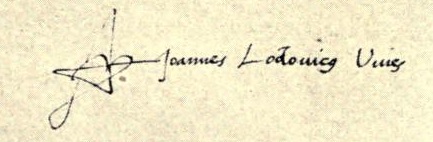
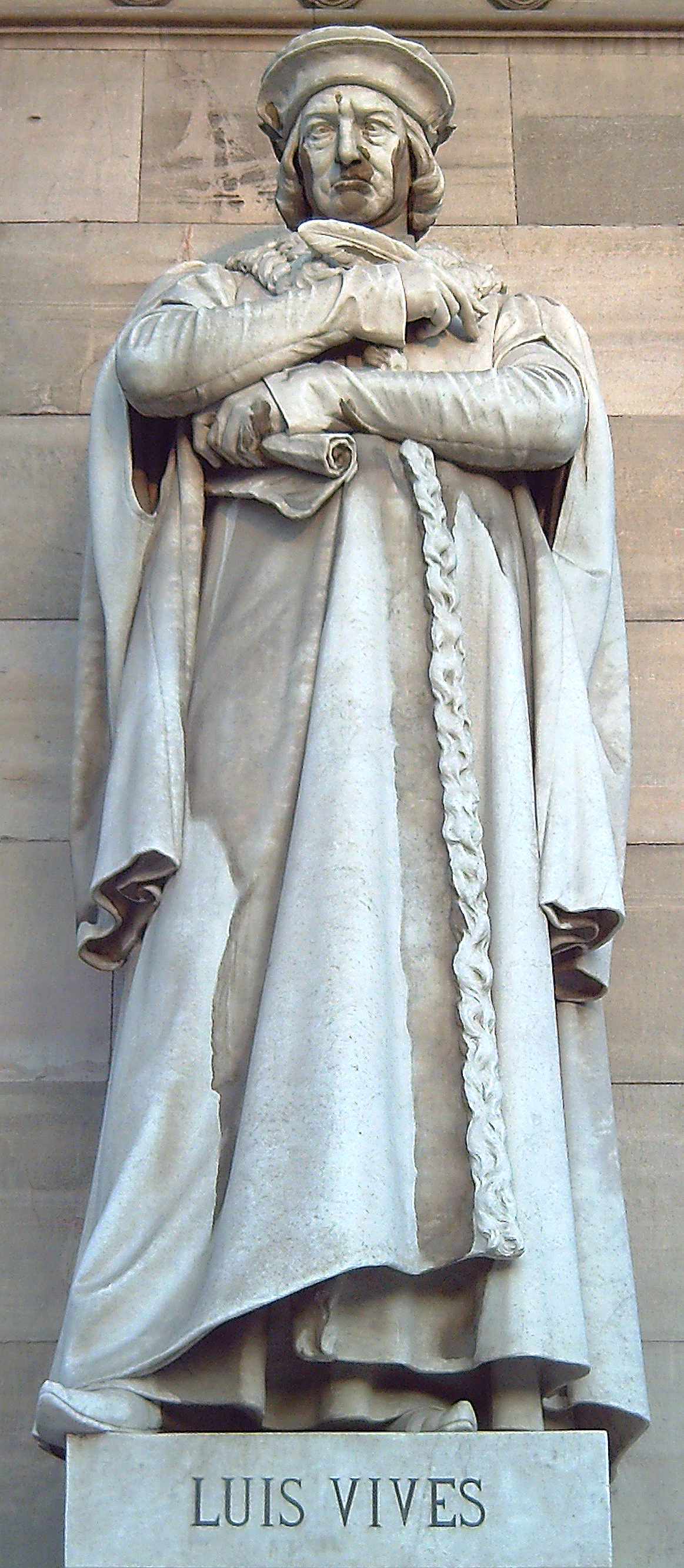
Juan Luis Vives (6 March 1493 – 6 May 1540) was a Valencian scholar and one of the leading humanists of the early sixteenth century. Writing primarily in Latin, Vives combined classical learning with practical concerns about teaching, the mind, ethics and public relief. His work helped to shape early modern debates about pedagogy, the responsibilities of civic authorities toward the poor, and naturalistic approaches to the study of human behaviour. He is often mentioned with contemporaries such as Erasmus and Thomas More as a figure in the northern European humanist movement.
Image gallery
6 Images


Origins and exile
Vives came from the Kingdom of Valencia. His family were conversos (people of Jewish origin who had converted to Christianity), and the religious climate of Spain in the early sixteenth century affected his opportunities. He did not establish a permanent career in Spain and spent much of his life abroad after his family suffered persecution. His Valencian roots and family background remained a defining feature of his biography and informed later suspicions by Spanish authorities, including institutions such as the Inquisition.
Education and early career
Trained in classical letters and law, Vives studied with leading humanist masters and became fluent in the scholarly languages of his time. He taught and wrote in the Low Countries and maintained relationships with important patrons and courts. His connections allowed him to circulate ideas across linguistic and political borders; he was active in the networks of European humanism and corresponded with scholars in Italy, the Low Countries and England. For a concise account of the wider humanist milieu see humanist networks.
Major works and themes
Vives produced a steady stream of essays, letters and treatises rather than a single comprehensive system. His writings include a well-known treatise on the education of women, practical proposals for civic organization of charity (often referred to generally as his works on poor relief), and reflections on the soul and learning that emphasize sense experience and attention. He argued for systematic, age-appropriate instruction, careful training of memory and reason, and the use of clear language and well-designed textbooks. His practical proposals for municipal relief placed responsibility on civic institutions to prevent and mitigate poverty.
Relations with patrons and other humanists
Vives enjoyed contacts with leading figures of his age. He dedicated works to high-ranking patrons and was involved at times with the courts of the Low Countries and with English humanists. His dialogues and letters connected him with reform-minded circles and with figures who sought moderate change within the Church and society. For background on Spain's political context in Vives' lifetime see Spanish monarchy and context, and for the wider political situation of Europe consult European political background.
Reception and controversies
Vives' appeal to experience, criticism of scholastic pedantry, and emphasis on reforming practices rather than doctrines won admirers but also suspicion among conservative authorities. His personal origins and the precarious status of converso families in Iberia made him vulnerable to accusations and inhibited a permanent return to Spain. At the same time, his ideas spread through print and correspondence, influencing educators, municipal reformers and thinkers who sought to bring classical learning to bear on social problems.
Legacy
Historians view Vives as an important bridge between Renaissance humanism and later developments in pedagogy, psychology and social policy. His insistence that instruction be adapted to learners' needs, his recommendations for classroom practice, and his proposals for organized poor relief anticipate later debates about public responsibility, schooling and empirical inquiry into human behaviour. He remained a Catholic humanist who sought reform through moral and administrative improvement rather than radical doctrinal change.
Further reading and resources
For introductions to Vives and his circle consult general works on early modern humanism and specialized studies of education and poor relief. Useful starting points include summaries of Valencian cultural history, overviews of humanist networks, material on the Spanish monarchy and context, and treatments of the European political background. For primary-source oriented research see collections of his letters and treatises, and for discussion of the religious tensions that affected him consult sources on the Inquisition and on the situation of conversos and former Jewish communities in early modern Spain.
Related articles
Author
AlegsaOnline.com Juan Luis Vives: Valencian Humanist, Educator and Social Thinker Leandro Alegsa
URL: https://en.alegsaonline.com/art/51373