
José Mojica Marins (1936–2020) — Brazilian filmmaker, actor and creator of Coffin Joe
Brazilian filmmaker and media figure José Mojica Marins created the notorious horror figure Coffin Joe and produced transgressive cult films that challenged social mores and censorship in Brazil.
José Mojica Marins (13 March 1936 – 19 February 2020) was a Brazilian filmmaker, actor, composer and media personality best known for creating the horror icon Coffin Joe (Portuguese: Zé do Caixão). Born and based in São Paulo, Marins worked from the 1950s into the early 21st century. He wrote, directed and often starred in low-budget horror and exploitation films that blended grotesque imagery, religious provocation and existential themes to confront conservative elements of Brazilian society.
Image gallery
3 Images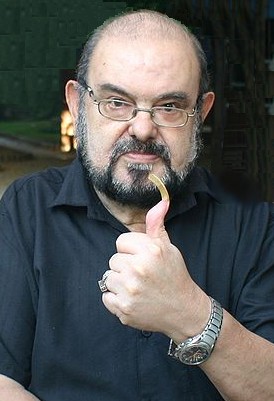


Early life and career
Marins began making short films and features in São Paulo, using modest resources and small crews. His background in amateur cinema and a do-it-yourself approach allowed him to produce distinctive genre work outside mainstream studios. He composed music for some projects, performed on screen and cultivated a public persona that extended into television and radio appearances, making him a recognizable figure in Brazilian popular culture.
Creation and nature of Coffin Joe
The Coffin Joe character is Marins’ most enduring creation: a gaunt undertaker with long fingernails, a black cape and a top hat who rejects Christian morality and pursues a brutal, often nihilistic philosophy focused on bloodline and the search for an heir. Coffin Joe serves as both antihero and social provocateur, allowing Marins to stage transgressive scenarios that interrogate faith, hypocrisy and the fear of death. The character’s theatrical presentation—accentuated by makeup, costume and declamatory speech—made him instantly iconic in Brazilian horror.
Films and themes
- At Midnight I’ll Take Your Soul (1964) — first full-length Coffin Joe film introducing the character’s worldview
- This Night I’ll Possess Your Corpse (1967) — continuation of Coffin Joe’s saga
- The Strange World of Coffin Joe (1968); Awakening of the Beast (1970) — anthology and experimental works
- The End of Man (1970); The Bloody Exorcism of Coffin Joe (1974) — explorations of horror and psychology
- The Strange Hostel of Naked Pleasures (1976); Hellish Flesh (1977); Hallucinations of a Deranged Mind (1978); Perversion (1979)
- Embodiment of Evil (2008) — a late-career return to Coffin Joe and a concluding chapter
Across these titles Marins repeatedly examined sexuality, ritual, social hypocrisy and metaphysical questions. His work often mixed surreal sequences, practical effects and confrontational scenes that provoked strong reactions from audiences and censors alike.
Controversy, censorship and reception
Marins’ films generated moral outrage and occasional censorship, especially during Brazil’s military dictatorship when cultural authorities policed content. Many of his films circulated in underground venues, drive-ins and international genre festivals, where they found enthusiastic cult followings. Over time critical appraisal shifted: what was once scandalous came to be regarded as pioneering, and retrospectives and restorations have helped preserve his films for new audiences.
Legacy and death
Marins is widely regarded as Brazil’s most recognizable horror auteur and an influence on Latin American genre filmmakers. Critics and fans have praised his inventiveness, uncompromising vision and the way Coffin Joe became both a shock figure and a cultural emblem. He remained active in public life as a performer and commentator until late in life. Marins died in São Paulo on 19 February 2020 from bronchopneumonia; contemporary reports and tributes to his career can be found in various obituaries and film retrospectives, including contemporary notices.
Related articles
Author
AlegsaOnline.com José Mojica Marins (1936–2020) — Brazilian filmmaker, actor and creator of Coffin Joe Leandro Alegsa
URL: https://en.alegsaonline.com/art/51166
Sources
- commons.wikimedia.org : José Mojica Marins
- imdb.com : José Mojica Marins