
José Rizal: Filipino writer, reform advocate, and national symbol
Concise encyclopedia entry on José Rizal: his life, education, major works, political role, exile and execution, and his enduring legacy in the Philippines and beyond.
Overview
José Protasio Rizal (June 19, 1861 – December 30, 1896) was a Filipino physician, novelist, poet and public intellectual whose ideas and writings influenced reform efforts in the late Spanish colonial period. He is widely remembered as a national hero in the Philippines and is best known for using literature and civic engagement to expose social injustice and advocate change.
Image gallery
10 Images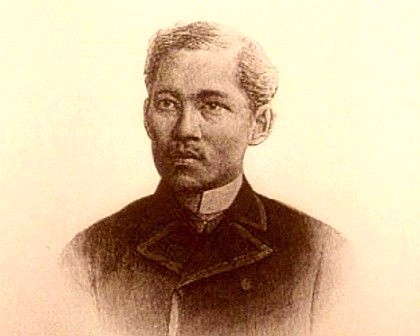


Early life and education
Rizal was born in Calamba, Laguna, into a family that valued education and the arts. He studied at the Ateneo Municipal de Manila and later at the University of Santo Tomas. Seeking broader training, he continued his studies in Europe where he completed a degree in medicine, specializing in ophthalmology. He traveled widely, acquired several languages, and kept close contact with other Filipino expatriates and reformers.
Travels and medical career
During his years abroad Rizal combined medical practice with research and cultural pursuits. On returning to the islands he lived for a time in Dapitan (Mindanao), where he practiced medicine, taught students, engaged in agricultural and engineering projects, and contributed to local civic life. These activities demonstrated his interest in practical community improvement as well as in intellectual and artistic endeavors.
Major works
Rizal's literary output was central to his public influence. His two best known novels, written in Spanish, are:
- Noli Me Tángere (published 1887) — a novel critiquing clerical privilege and social abuses in colonial society;
- El Filibusterismo (published 1891) — a darker, more political sequel addressing corruption and the radical consequences of injustice.
He also wrote essays, journalism and poetry. His last known poem, often referred to as Mi Último Adiós, became a powerful symbol after his execution.
Political activity and exile
Rizal participated in the Propaganda Movement, a circle of Filipino intellectuals who sought political and social reforms through writing, petitions and public argument rather than armed revolt. He briefly founded the civic organization La Liga Filipina, which aimed to unite Filipino efforts for reform. Spanish authorities regarded his ideas as dangerous; he was arrested, tried by a military tribunal, and exiled to Dapitan in 1892.
Trial, execution and immediate impact
In 1896, amid an escalating independence movement, Rizal was accused of involvement with revolutionary activities. He was transferred to Manila, court-martialed, and executed by firing squad on December 30, 1896, at the place now known as Rizal Park. His death intensified calls for independence and made him a martyr for many Filipinos.
Legacy and commemoration
Rizal's legacy is visible across public life in the Philippines: schools, plazas and monuments bear his name; his novels and essays remain central texts in Philippine literature and history courses; and annual commemorations mark his birth and death. Museums and archives in the Philippines preserve letters, manuscripts and personal effects that contribute to study of his life and times.
Interpretation and controversies
Scholars and public commentators differ in interpreting Rizal's political stance: some emphasize his advocacy of peaceful, institutional reform; others stress the radicalizing effects his writings had on anti-colonial activists. Debate continues about the best way to understand his role within the broader independence movement, but his influence as a writer-intellectual is broadly acknowledged.
Major works and further reading
Key primary works include Noli Me Tángere, El Filibusterismo, and collections of essays and poems. For reliable secondary accounts consult scholarly biographies, annotated editions of his writings and curated resources maintained by libraries and museums. Many such resources are available through national and educational institutions in the Philippines and elsewhere.
For introductory overviews and access to archival material, see institutional web guides and museum descriptions. Representative online portals and national heritage sites provide curated collections and contextual information for readers seeking to learn more.
Related articles
Author
AlegsaOnline.com José Rizal: Filipino writer, reform advocate, and national symbol Leandro Alegsa
URL: https://en.alegsaonline.com/art/51172