
Jonas Savimbi
Angolan political and military leader who founded and led UNITA and played a central role in the Angolan Civil War and Cold War-era regional politics.
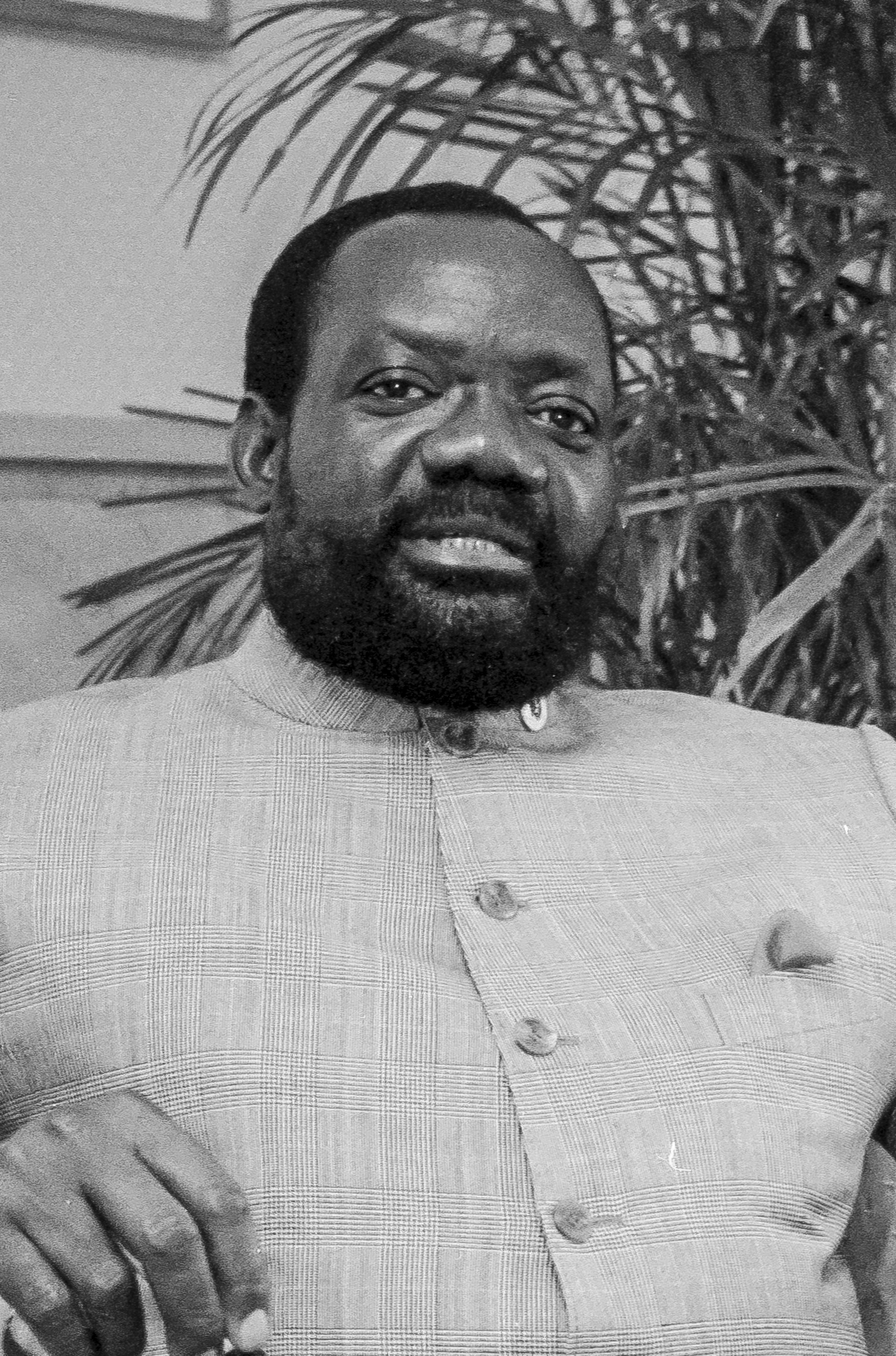
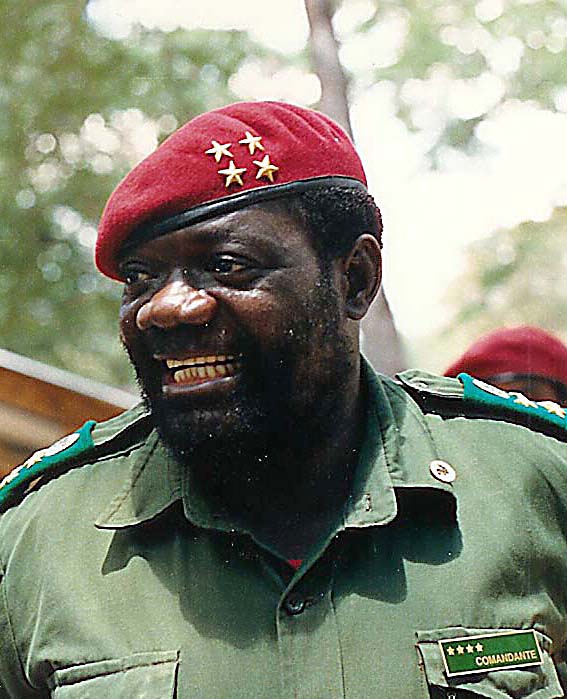
Jonas Savimbi was an Angolan political and military figure best known as the founder and long-time leader of the National Union for the Total Independence of Angola (UNITA). He became a central actor in Angola's struggle for power after independence from Portugal, directing a guerrilla movement that evolved into a major faction in a protracted civil war. Savimbi's life and career are closely tied to the broader Cold War dynamics that shaped southern Africa during the late 20th century.
Image gallery
6 Images



Origins and political rise
Savimbi organized and led a rebel movement that drew support from various ethnic and regional constituencies. Under his leadership UNITA presented itself as a nationalist alternative to the competing Popular Movement for the Liberation of Angola (MPLA). Over time UNITA developed into a hierarchical guerrilla force with political structures intended to govern territories under its control.
Role in the Angolan Civil War
The conflict between UNITA and the MPLA became a defining element of post-independence Angola. What began as internal rivalry escalated into a long civil war in which international backing and regional rivalries played significant roles. External actors supported different sides, and the struggle for control of the state involved conventional battles, insurgency tactics, and shifting alliances. The broader confrontation is commonly referred to as the Angolan Civil War.
Leadership style, ideology, and organization
Savimbi combined nationalist rhetoric with pronounced anti-communist positioning at various points, which shaped UNITA's relationships with foreign governments during the Cold War. Observers described his leadership as charismatic and commanding; internally he centralized decision-making and maintained personal authority over both political strategy and military operations. UNITA's organization adapted from a guerrilla movement into a quasi-state actor in areas it controlled.
Controversies and human impact
His tenure was marked by controversy. Domestic and international human rights organizations, journalists, and analysts have attributed a range of abuses to forces under UNITA's command, including attacks that affected civilian populations. Critics say the prolonged conflict under Savimbi's leadership contributed to widespread suffering, displacement, and economic disruption across Angola. Supporters credited him with persistent opposition to rival regimes and with maintaining a political movement that could negotiate a place in national politics.
Death and legacy
Savimbi's death in 2002 was a turning point that precipitated shifts in the conflict's trajectory and opened the way for negotiation and reintegration processes. His legacy remains contested: he is remembered by some as a revolutionary leader and by others as an actor whose choices extended a devastating war. Contemporary assessments of Savimbi consider both his role in anti-colonial politics and the heavy human and social costs of the decades-long struggle in which he was a principal figure.
- Founder and leader of UNITA
- Prominent figure in the Cold War-era conflict that shaped modern Angola
- Contested legacy due to wartime conduct and political impact
Related articles
Author
AlegsaOnline.com Jonas Savimbi Leandro Alegsa
URL: https://en.alegsaonline.com/art/51009
Sources
- guardian.co.uk : "Obituary: Jonas Savimbi"