
Jonathan and Martha Kent — Superman’s adoptive parents
Jonathan and Martha Kent are the rural couple who adopt and raise Kal-El/Clark Kent. They ground Superman’s moral code, shape his identity, and appear in many comics, films and television adaptations.
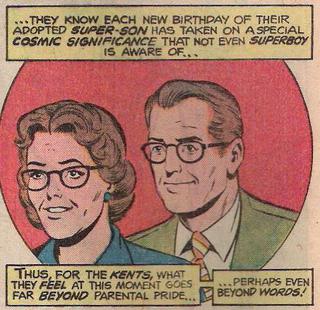
The Kents, Jonathan and Martha, are the adoptive parents of Kal-El — better known as Clark Kent or Superman. Portrayed as modest, hardworking farmers from a small rural town, they discover the alien infant and raise him as their own child. Across comics and adaptations they provide the emotional backbone for Clark’s human upbringing and are widely regarded as the moral anchors of the Superman story.
Image gallery
6 Images


Role and characteristics
Jonathan is typically shown as a pragmatic, steady father figure and farmer who teaches responsibility and courage. Martha is often depicted as warm, protective and compassionate, teaching Clark kindness and community duty. Together they emphasize humility, honesty, and the idea that exceptional power brings heightened responsibility — guidance that shapes Clark’s choice to use his abilities for the benefit of others.
Variations in stories and continuity
Details about the Kents change with different comic-book eras and screen versions. In some continuities both parents live well into Clark’s adulthood; in others Jonathan dies earlier, sometimes before Clark becomes a public hero. Martha’s fate also varies: in many tellings she survives longer and remains a confidante, while alternate versions show differing outcomes. These changes are part of larger editorial resets and reinterpretations of the Superman mythos.
In film and television
Their cinematic portrayals reflect filmmakers’ choices about when and how parental influence appears in Clark’s life. In the 1970s feature Superman, the roles were played by Glenn Ford and Phyllis Thaxter. More recently, Man of Steel featured Kevin Costner and Diane Lane, each performance offering a distinct tone and emphasis on the Kents’ influence. Television and animated adaptations have introduced yet more variations while keeping the central theme: the Kents shape Superman’s conscience.
Legacy and cultural importance
The Kents serve as an archetype of adoptive parenthood and rural virtue in popular culture. Their story highlights themes of belonging, sacrifice, and ethical formation. Writers and directors continue to adapt the couple to reflect contemporary ideas about family and responsibility, but their core role — guiding Clark toward heroic use of his gifts — remains constant.
Common themes and notable facts
- They establish Clark’s human identity and connection to a specific hometown community.
- Many adaptations use the Kents to explore the tension between secrecy and honesty in Clark’s life.
- The couple’s fate varies by continuity, allowing storytellers to emphasize loss, resilience, or ongoing guidance.
Related articles
Author
AlegsaOnline.com Jonathan and Martha Kent — Superman’s adoptive parents Leandro Alegsa
URL: https://en.alegsaonline.com/art/51010
Sources
- pastemagazine.com : "Kevin Costner Joins Zack Snyder's Superman Reboot"