
Alexandrite: the color-change chrysoberyl gemstone
Alexandrite is a rare variety of chrysoberyl noted for its dramatic color change under different light sources; valued in jewelry and collected for its rarity and gemological interest.
Alexandrite is a distinctive and rare variety of the mineral chrysoberyl, prized for a dramatic optical phenomenon often called the "alexandrite effect": a single crystal appears greenish in daylight or fluorescent light and red to purplish-red in incandescent light. This reversible color change is caused by trace chromium and by the way the stone selectively absorbs portions of the visible spectrum. Alexandrite is admired both as a gem for finished jewelry and as a subject of study by gemologists because of the beauty and complexity of its color behavior.
Image gallery
8 Images
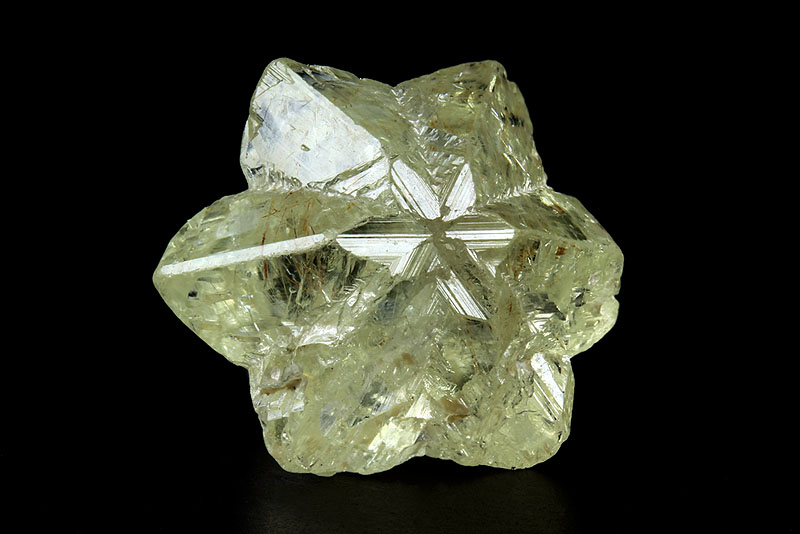




Characteristics and physical properties
As a chrysoberyl, alexandrite is a hard gemstone (about 8.5 on the Mohs scale) with good durability for everyday wear when set properly. It crystallizes in the orthorhombic system and commonly forms well-defined prismatic crystals. Key characteristics include a strong color-change phenomenon, high brilliance, and specific refractive and density values that gemological laboratories use to identify it. The precise tones of green and red, and the strength of the change, strongly affect a stone's desirability and market value.
- Color change: green/blue-green in daylight; red/purple-red in incandescent light.
- Hardness and durability: typically durable but can show cleavage-related weaknesses.
- Identification: examined using refractive index, specific gravity, inclusions, and spectroscopic features.
History and geographic occurrence
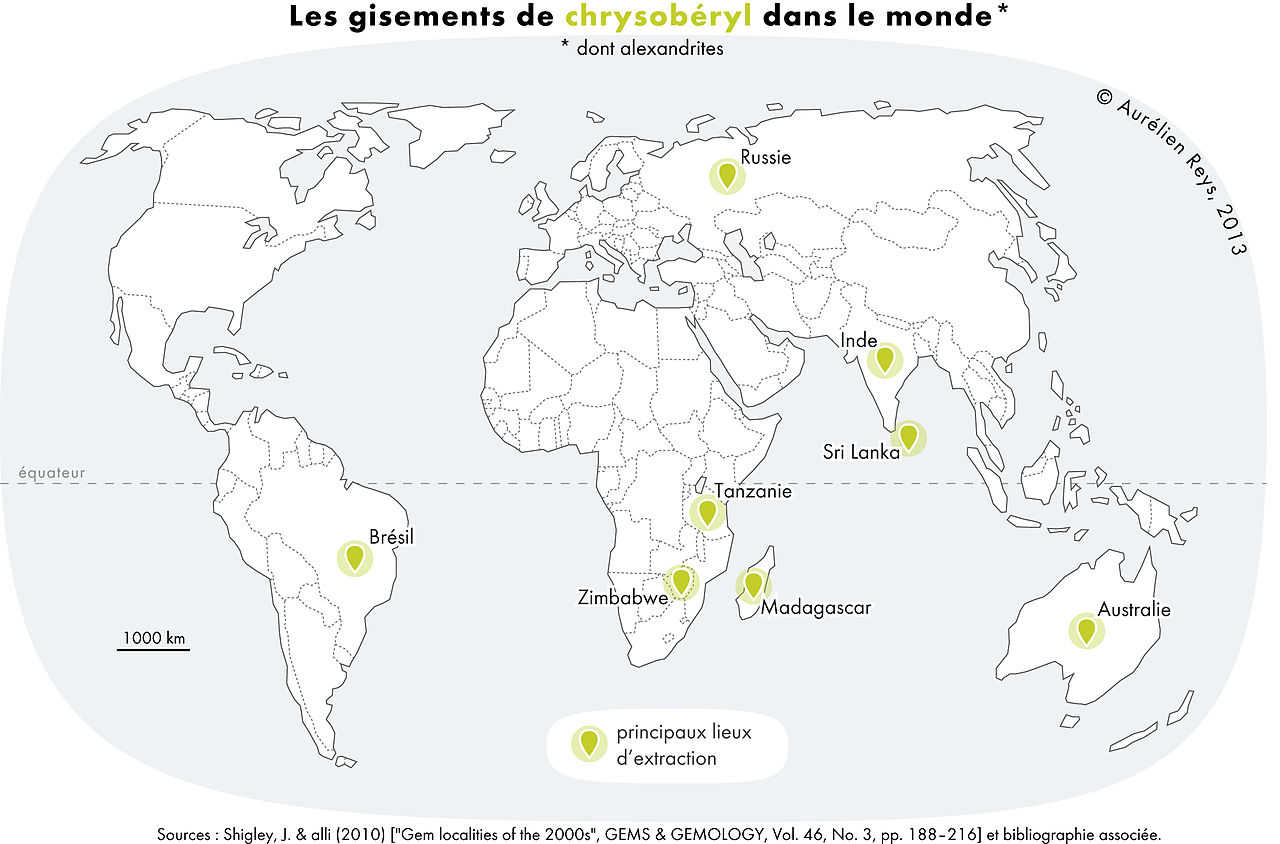
Alexandrite was first recognized in the early 19th century and became famous through the Russian Imperial connection; popular accounts link its name to the future Tsar Alexander II, an origin often noted in historical summaries. Natural alexandrite was historically associated with the Ural Mountains in Russia, and since then gem deposits have been found in a number of other countries. Modern sources include locations across several continents, and each deposit can produce material with different typical hues and levels of color change.
Uses, market and cultural notes
Because of its rarity and the dramatic color change, alexandrite is primarily used in fine jewelry—rings, pendants, and earrings—often set in precious metals to complement its colors. It is also recognized as one of the birthstone choices for June in some modern lists, alongside other June gems, which adds to its popularity for commemorative jewelry and gifts (birthstone reference). High-quality pieces with strong, distinct color change and good clarity command premium prices.
Identification, synthetics and imitations
Natural alexandrite is uncommon and therefore both synthetic and simulated stones appear in the market. True synthetic alexandrite is manufactured in laboratories and can show the same chrysoberyl chemistry and color-change behavior; these laboratory-grown gems are produced to meet demand and are usually disclosed as synthetic (synthetic and simulated stones). Other materials—such as color-change spinel, glass, or other simulants—may imitate the look without the same physical properties. Professional gemological testing (microscopy, spectroscopy, and comparison of refractive and density measurements) is used to distinguish natural alexandrite from synthetics and simulants.
Notable facts and care
The "alexandrite effect" is not unique to chrysoberyl; several other gems can show color change under different lights, but true alexandrite is specifically the chromium-bearing chrysoberyl variety. Care for alexandrite is similar to other hard gemstones: avoid hard knocks, clean with warm soapy water or ultrasonic cleaners if the setting and stone are stable, and have valuable pieces appraised and insured. Collectors prize specimens that show a strong, clean transition between contrasting hues and that exhibit a vivid saturation in both light conditions.
For further detail on identification methods, historical background, and collecting guidance, consult specialist gemological references and reputable laboratory reports (synthetic overview, historical notes). Additional regional information can be found in studies of material from the Ural deposits and more recent sources from Brazil, India, Madagascar, and Sri Lanka (Ural, Brazil, India, Madagascar, Sri Lanka).
Questions and answers
Q: What is alexandrite?
A: Alexandrite is a gemstone that is a type of chrysoberyl.
Q: What is the "alexandrite effect"?
A: The "alexandrite effect" is when different kinds of light make the colors of the alexandrite gemstone change.
Q: Can synthetic or simulated alexandrite be made in a laboratory?
A: Yes, synthetic or simulated alexandrite can be made in a laboratory.
Q: What is synthetic or simulated alexandrite made of?
A: Synthetic or simulated alexandrite is not made of chrysoberyl.
Q: Why is synthetic or simulated alexandrite made?
A: Synthetic or simulated alexandrite is made because alexandrite is expensive and the synthetic or simulated version costs less.
Q: Where has alexandrite been found?
A: Alexandrite has been found in Russia, Brazil, India, Madagascar, and Sri Lanka.
Q: What is the significance of alexandrite in terms of birthstones?
A: Alexandrite is one of the birthstones for June.
Tags
Related articles
Author
AlegsaOnline.com Alexandrite: the color-change chrysoberyl gemstone Leandro Alegsa
URL: https://en.alegsaonline.com/art/2430
Sources
- commons.wikimedia.org : Alexandrite
- alexandrite.net : "Alexandrite Synthetics and Imitations, In Alexandrite Tsarstone Collectors Guide"