
Apurímac Region, Peru
Apurímac is a mountainous region in southern-central Peru, centered on the city of Abancay. It is known for Andean landscapes, Quechua culture, the Apurímac River, agriculture, and small-scale mining.
Apurímac is a highland region of Peru with a varied landscape of Andean peaks, deep river valleys and agricultural terraces. The regional capital and largest city is Abancay, which serves as the political and economic center. The region takes its name from the Apurímac River, one of the major headwaters of the Amazon basin, and its identity is shaped by indigenous Quechua traditions and Spanish colonial influence.

Image gallery
3 Images

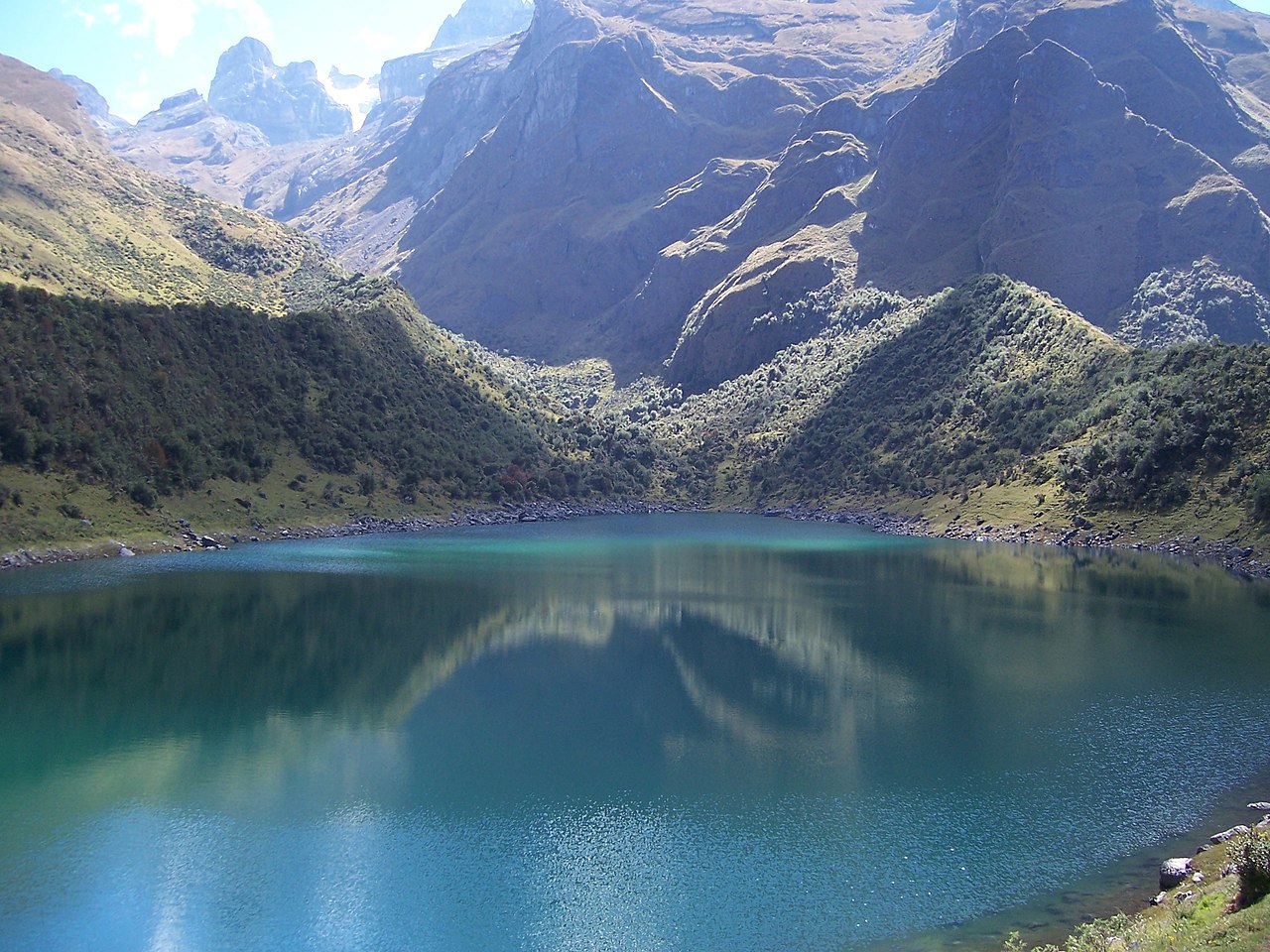
Geography and environment
Elevation within Apurímac ranges from high puna and mountain ridges down into narrow valleys carved by fast-flowing rivers. The climate varies with altitude, producing cold highlands, temperate valleys and microclimates suitable for diverse crops. The river systems are ecologically important and support irrigation, transport corridors and scenic canyons.

History and people
The territory has long-standing pre-Columbian roots, was integrated into the Inca realm and later came under Spanish colonial administration. Today a significant portion of the population identifies with Quechua heritage; the Quechua language remains widely spoken alongside Spanish. Local festivals, textiles and music preserve traditional customs.
Economy and uses
Economic activity is mainly rural and includes agriculture, livestock rearing and artisanal production. Small-scale mining and emerging tourism also contribute to local incomes. Typical economic themes are:
- Subsistence and market agriculture (potatoes, maize, quinoa in higher zones)
- Sheep and alpaca herding and related textile crafts
- Local mining and growing eco- and adventure tourism
Travelers are drawn by hiking, cultural visits and mountain scenery, while researchers study the region's ecology and archaeology. Administratively, Apurímac is divided into provinces and districts with Abancay as the regional seat. For further official context see the regional overview on the regional portal and general information about Peru.
Related articles
Author
AlegsaOnline.com Apurímac Region, Peru Leandro Alegsa
URL: https://en.alegsaonline.com/art/5071