
Aqaba: Jordan’s historic port city on the Red Sea
Aqaba is Jordan’s only coastal city, a strategic Red Sea port and tourist destination. The article covers its geography, ancient and modern history, economy, diving reefs, transport links and regional importance.
Overview
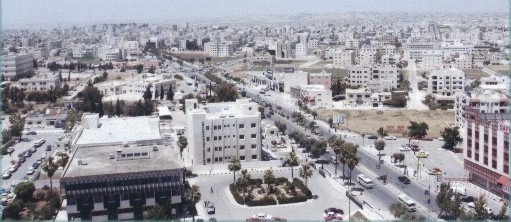
Aqaba is the principal coastal city of Jordan, occupying the kingdom’s only shoreline on the coast of the Red Sea. Its position at the head of the Gulf of Aqaba makes it Jordan’s main port and a focal point for maritime trade, tourism and regional transit. As a gateway between continents, Aqaba links overland corridors to the sea and serves both national needs and cross-border commerce.
Image gallery
10 Images




Geography and borders
Aqaba lies in southern Jordan and is the administrative center of the Aqaba Governorate. It sits roughly south of the capital, Amman, at the northernmost tip of the Gulf. The city has a land border with Saudi Arabia — the nearby town of Haql lies across the frontier — and maritime boundaries with Egypt and the Israeli resort town of Eilat. Its location at the junction of sea lanes joining Asia and Africa has determined much of its economic and strategic importance.
History and heritage
The Aqaba area has been occupied since antiquity; archaeological evidence indicates human activity there from early millennia BCE. The region became notable in the Bronze Age for its copper production and links to early metallurgy: copper was the principal metal used to create the alloy bronze, vital for tools and weapons of the era. Over centuries Aqaba passed through various political spheres, including Roman, Byzantine, Islamic and Ottoman rule. During World War I the town was the objective of a celebrated campaign led by T. E. Lawrence alongside Arab rebels who traversed the Arabian Desert to attack an Ottoman garrison, an action commonly referred to as the Battle of Aqaba and an important episode in the region’s modern history under the Ottoman Empire.
Economy and infrastructure
Aqaba functions as Jordan’s principal maritime outlet and hosts a mix of port facilities, industrial zones and duty-free areas designed to stimulate investment. Its port handles imports, exports and trans-shipment for Jordan and neighboring countries. The city is also the country’s only sea terminal for bulk mineral exports such as phosphate. Key pieces of infrastructure include the port complex and an international airport, and the local economy benefits from logistics, light industry and a growing service sector.
- Main economic roles: maritime trade, mineral exports, tourism and free-zone commerce.
- Transport links: sea lanes through the Gulf, road connections to inland Jordan and cross-border roads to neighboring states.
- Facilities: port terminals, industrial parks and an international airport serving regional flights.
Tourism, environment and culture
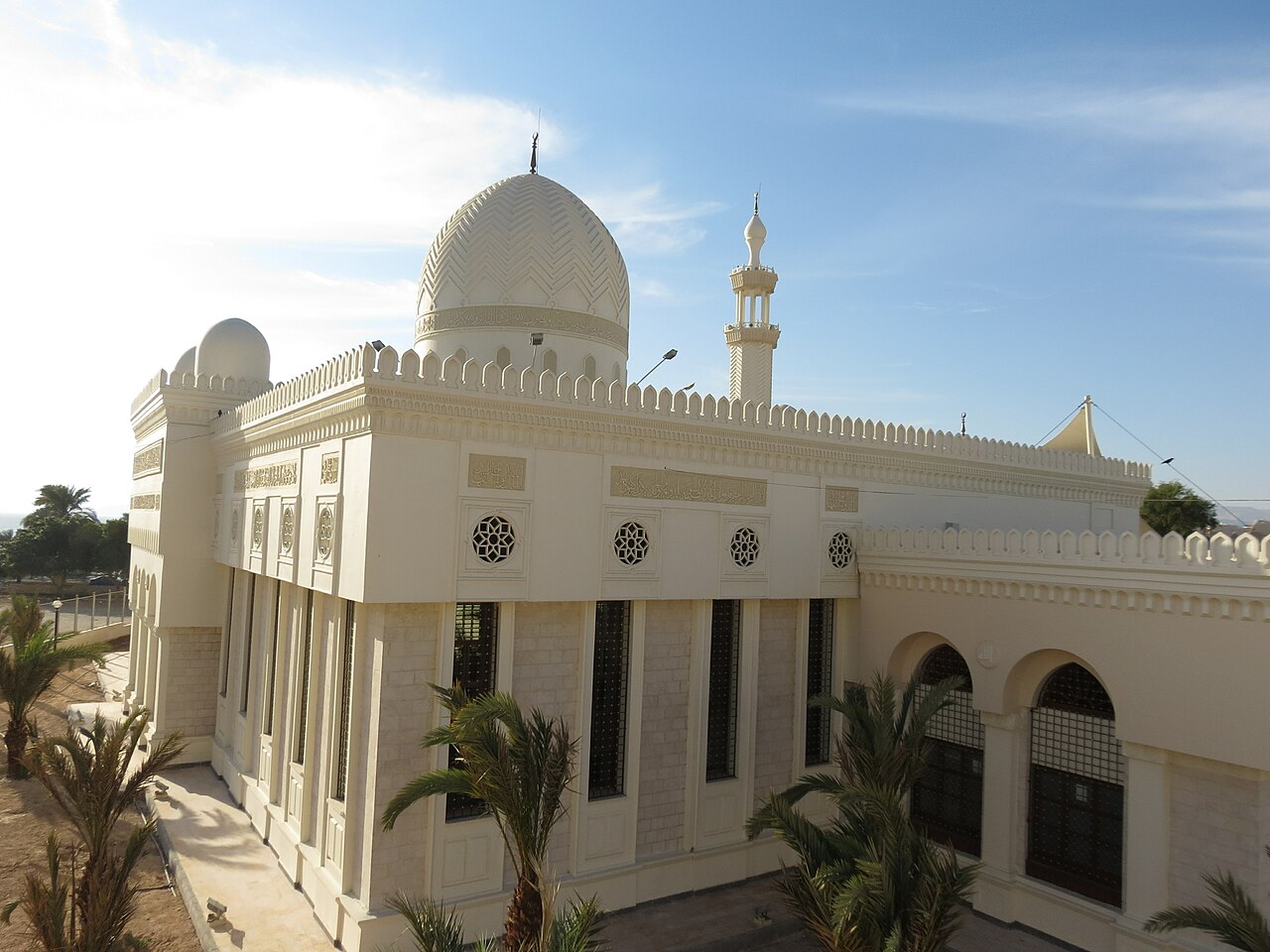
Aqaba is widely known as a diving and leisure destination because of its warm waters, coral reefs and marine biodiversity in the Red Sea. The coastal reefs attract recreational divers and researchers alike, while beachfront resorts, historic sites and local markets support a year-round tourism industry. Conservation efforts coexist with development to manage reef health and coastal habitats, and the city is a launch point for eco-tourism and cultural visits throughout southern Jordan.
Significance and notable facts
Aqaba is Jordan’s only coastal urban center and serves strategic, economic and symbolic roles for the country. Its combination of ancient heritage, modern port infrastructure and scenic marine environment make it a unique urban hub in the region. The city’s cross-border position — adjacent to Saudi Arabia and close by Egypt and Eilat — underlines its continued importance for trade and regional cooperation between Asia and Africa.
For further reading and primary resources about Aqaba’s archaeology, maritime role, and contemporary development initiatives, specialized publications and official local planning sources offer detailed studies and up-to-date data.
Questions and answers
Q: What is Aqaba?
A: Aqaba is a city in Jordan. It is the only city on Jordan's coast and the largest city on the Gulf of Aqaba.
Q: When was the Battle of Aqaba?
A: The Battle of Aqaba took place during World War I, when T. E. Lawrence led Arab rebels across the Arabian Desert to attack and capture the city, which was controlled by the Ottoman Empire then.
Q: How long has people been living in Aqaba?
A: Excavations in Aqaba show that people have lived in Aqaba since 4000 BC.
Q: What role does copper play in relation to this city?
A: Copper is an important part of this area as it had a thriving copper production industry at one point. Copper is also a main constituent of bronze, which was key for making weapons during the bronze age.
Q: Where is Aqaba located geographically?
A: Aqaba is located in the far south of Hashemite Kingdom of Jordan on the coast of Red Sea, about 330 kilometers south from Amman, which is capital of Jordan.
Q: What makes this port so important?
A: This port has strategic importance due to its location at top northeastern Gulf of Aqaab branching from Red Sea, mediating trade routes between Asia and Africa; all these factors make it an important area for thousands years now.
Q: What are some attractions found in this city?
A: Some attractions found here include beaches overlooking Red Sea, industrial facilities, free trade zones and King Hussein International Airport; it's also known as an attractive area for divers and only export point for phosphate in far south region of Jordan
Related articles
Author
AlegsaOnline.com Aqaba: Jordan’s historic port city on the Red Sea Leandro Alegsa
URL: https://en.alegsaonline.com/art/5074
Sources
- books.google.com : International Dictionary of Historic Places: Middle East and Africa, المجلد 4
- wikidata.org : wikidata.org/wiki/Q180522
- catalogue.bnf.fr : cb15591973h
- data.bnf.fr : (data)
- d-nb.info : 4255105-5
- id.loc.gov : n80064933
- aleph.nkp.cz : ge128673
- viaf.org : 140716891
- worldcat.org : 140716891