
John Hillerman — American actor best known for Magnum, P.I.
Profile of John Hillerman, an American actor famed for his role as Jonathan Higgins on Magnum, P.I., his film and television work, awards, retirement and legacy.
John Hillerman was an American actor whose polished comic timing and distinctive voice made him a memorable presence on television and film. Born in Denison, Texas, he rose from regional theatre and supporting screen roles to international recognition, most notably for portraying the imperious Jonathan Quayle Higgins III on the popular series Magnum, P.I..
Image gallery
2 Images
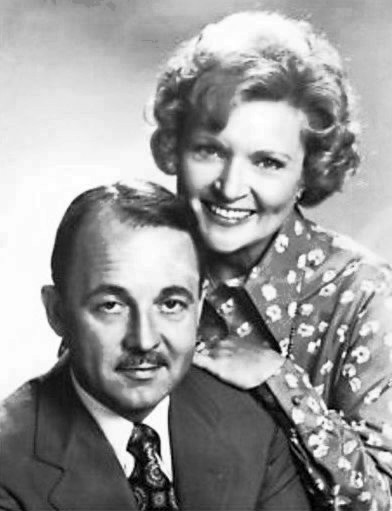
Early career and acting style
Hillerman built his craft on stage before moving into television and movies. He was admired for a dry, understated delivery and an ability to play both straight man and comic foil. In his best-known television role he adopted a clipped, upper-class British manner that contrasted with the casual American hero of the show and became a recurring source of humor.
Breakthrough and signature role
His portrayal of Higgins—an officious, ex-military estate manager and foil to Thomas Magnum—earned widespread attention and defined Hillerman's public image for decades. The role showcased his precise timing, disciplined physicality and capacity for subtle comic shading alongside stars such as Tom Selleck.
Selected film and television highlights
- Chinatown — a notable supporting turn in a major feature.
- Blazing Saddles — appearance in a landmark comedy.
- Guest and recurring parts on series of stage- and screen-based productions, including sitcoms and dramatic projects such as The Betty White Show.
Awards, retirement and legacy
Hillerman received critical recognition during his career, earning both an Emmy and a Golden Globe for his television work and becoming a familiar face to audiences in the 1970s and 1980s. He retired from acting in 1999 and spent his later years away from the spotlight. His career is often cited as an example of how a character actor can create an iconic role through economy and precision.
Hillerman died at his home in Houston, Texas, of heart disease at the age of 84. His life and work remain points of reference for actors and fans studying television character performance and the era of network crime dramas.
For additional reading on his life and roles, see contemporary profiles and filmographies at resources linked through official databases and retrospective articles: awards summaries, production notes and archived interviews available via entertainment histories and databases.
Further credits and biographical details are cataloged in film and television references and on dedicated fan and archival sites: career overview, series information, and other curated collections of television history.
Many accounts of Hillerman's work emphasize his skill at crafting a role that could dominate a scene without overwhelming it, a hallmark of successful supporting actors in both comedy and drama.
Related articles
Author
AlegsaOnline.com John Hillerman — American actor best known for Magnum, P.I. Leandro Alegsa
URL: https://en.alegsaonline.com/art/50673
Sources
- filmreference.com : "John Hillerman Biography"
- pagesix.com : "Tom Selleck's 'Magnum, P.I.' sidekick John Hillerman has died"
- variety.com : "John Hillerman, Emmy-Winning 'Magnum, P.I.' Actor, Dies at 84"