
John Abbot (c.1587–c.1650): English Catholic priest and poet
English Catholic priest and poet, author of Devout Rhapsodies (1647); converted abroad, returned to minister in England, imprisoned for his ministry and spent his later life in confinement.
Overview
John Abbot (born 1587/88; died about 1650) was an English Roman Catholic priest and devotional poet best known for the two-volume Devout Rhapsodies (1647). His life bridges religious change in early modern England: raised in a Protestant family, educated at Oxford, converted on the Continent and ordained as a Catholic clergyman before returning to minister in a hostile environment. His verse is notable for its allegorical treatment of spiritual conflict and for belonging to the recusant tradition of English Catholic literature.
Image gallery
1 Image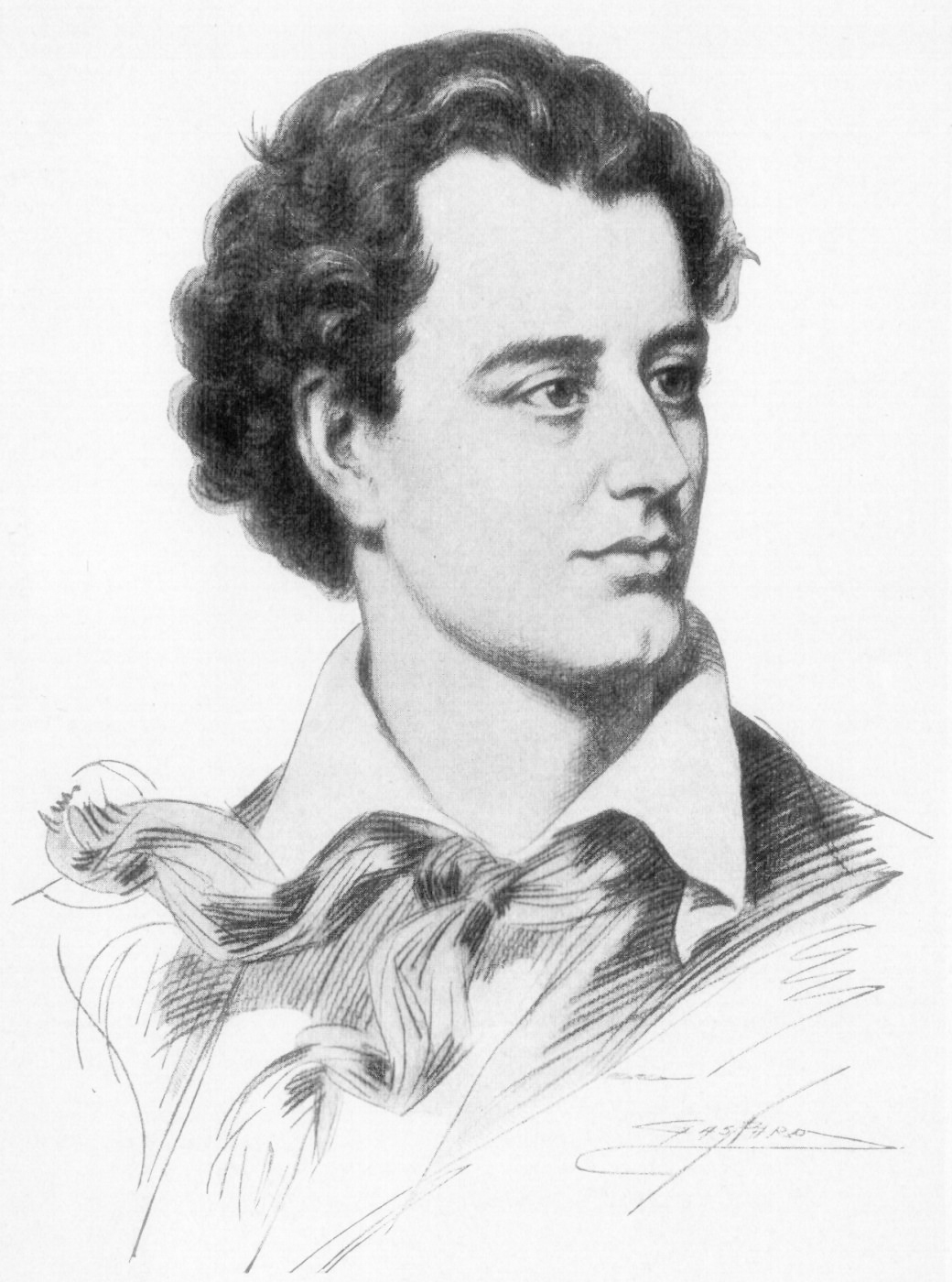
Life and background
Details of Abbot's birth are uncertain; contemporary sources suggest he may have come from London or Leicester. He was a nephew of George Abbot, who served as Archbishop of Canterbury, which highlights the religious divisions in his immediate family. Abbot matriculated at Balliol College, Oxford, but left England for the European continent, where he embraced Roman Catholicism and pursued clerical formation. On his return he associated for a time with the Jesuit community before serving as a secular priest.
Writings and themes
Abbot's principal surviving work, Devout Rhapsodies, is an extended allegorical poem that stages the cosmic struggle between Good and Evil and treats the fall and redemption of humanity. The poems employ dense devotional language and moral exhortation characteristic of Catholic spiritual writing of the period. His work draws on scriptural narrative, medieval allegory and post-Reformation devotional forms; critics note its aim to instruct and console Catholic readers living under pressure in England. Although not widely anthologized, the Rhapsodies remain an important example of recusant poetry and of seventeenth-century English religious verse.
Imprisonment and later years
Abbot's ministry took place during a time when the practice of Catholic clergy in England was criminalized. He was first arrested in 1635 and briefly detained; a second arrest in 1637 led to his long imprisonment, and records indicate he spent the remainder of his life in confinement. These events reflect the enforcement of anti-Catholic laws and the precarious position of priests who ministered to covert Catholic communities.
Legacy and notable facts
- Best-known work: Devout Rhapsodies (two volumes, 1647), a long devotional poem addressing temptation, sin and spiritual warfare.
- Family background: nephew of George Abbot, Archbishop of Canterbury, illustrating a familial divide in faith.
- Education and conversion: studied at Balliol, associated with Catholic communities on the Continent and later with Jesuits before resuming parish ministry.
- Context: his life should be read within the broader history of recusancy and the persecution of Catholic clergy in seventeenth-century England; his work is of interest to scholars of devotional poetry and religious history.
For readers seeking primary texts or further scholarly commentary, search for modern editions and studies of recusant literature and seventeenth-century devotional poetry. Abbot's combination of doctrinal commitment, personal sacrifice and ambitious allegorical verse makes him a representative — if somewhat obscure — figure among English Catholic writers of his era. Additional background on the religious institutions and educational settings connected to his life may be consulted via general sources on English history, the poetry of the period, and biographies focused on clerical experience in early modern Britain. Contemporary reference entries and specialized studies provide fuller bibliographies and analyses of his poems and their reception.
Related articles
Author
AlegsaOnline.com John Abbot (c.1587–c.1650): English Catholic priest and poet Leandro Alegsa
URL: https://en.alegsaonline.com/art/50531