
Johan Rudolf Thorbecke: Architect of the 1848 Dutch Constitution
Dutch statesman Johan Rudolf Thorbecke (1798–1872) drafted the 1848 constitution that transformed the Netherlands into a parliamentary state and led liberal reforms in government and administration.

Overview
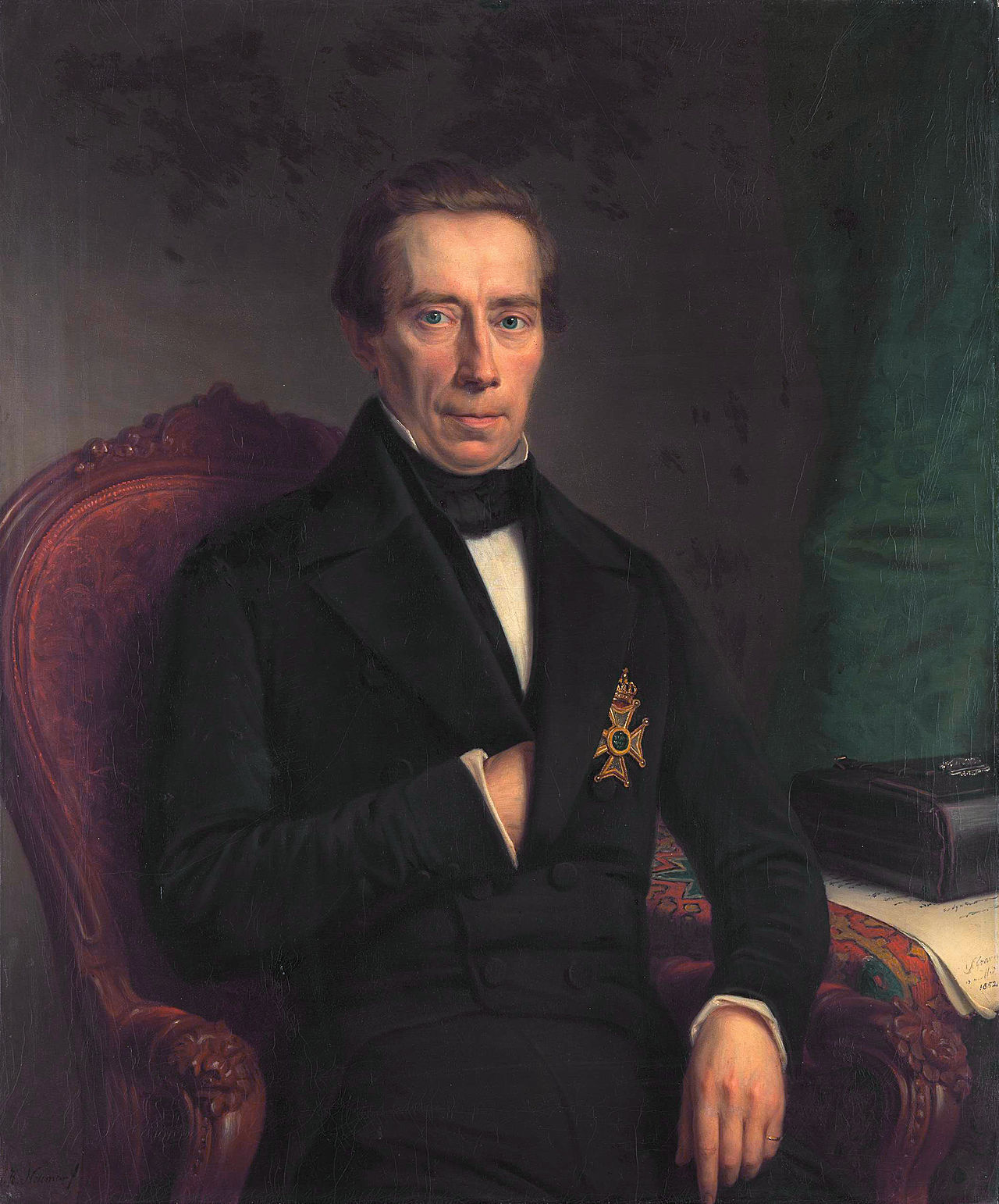
Johan Rudolf Thorbecke was a leading 19th‑century Dutch statesman and constitutional scholar. Born in 1798 and dying in 1872, he is best known for drafting the core of the 1848 constitution, a revision that limited royal prerogative and established the principles that would make the Netherlands a modern parliamentary democracy. Thorbecke is widely identified with political liberalism of his era, favoring representative government, civil liberties and administrative modernization.
Image gallery
4 Images


Early life and education
Thorbecke was born in Zwolle and raised in a family of German descent; his religious background was Lutheran. He received a classical education and studied law and political theory, developing an expertise in constitutional law and public administration. His early publications on legal and institutional matters helped establish his reputation among scholars and politicians before he entered public office.
Role in the 1848 constitutional revision
In a period of European upheaval, Thorbecke drafted the principal text that formed the 1848 constitution, working largely on his own to synthesize liberal ideas into practical articles. The revision introduced ministerial responsibility, ensuring that ministers, not the monarch, were accountable to the legislature, and strengthened representative institutions. Its adoption marked a decisive shift toward parliamentary rule and laid the framework for later democratic developments.
Political career and reforms
After the constitution was adopted, Thorbecke served several times in senior government positions, including head of cabinet and minister for internal affairs. In office he pursued an agenda of administrative reform aimed at improving provincial and municipal governance, modernizing public administration, and reforming the legal and educational systems to reflect liberal principles.
- Institutional reform: establishment of ministerial responsibility and clearer separation of powers.
- Administrative modernization: reorganization of provincial and municipal administration to increase efficiency and local self-government.
- Civil and legal reforms: emphasis on civil liberties, transparent lawmaking and professional administration.
- Educational and bureaucratic improvements: measures to professionalize the civil service and expand state oversight of public education.
Later life and legacy
Thorbecke continued to influence public life through scholarship and statesmanship until his death in The Hague in 1872 at the age of 74. He is commonly remembered as the principal architect of modern Dutch constitutional government. His hometown, Zwolle, and many legal historians preserve his legacy as a formative figure in nineteenth‑century Dutch politics. Thorbecke’s combination of academic rigor and practical reform helped transform abstract liberal ideas into durable institutions.
Reception and historical assessment
Historians assess Thorbecke as a central figure in the institutional transformation of the Netherlands: his 1848 work is regularly cited as the turning point that moved governance toward parliamentary accountability. While he represented a particular strand of liberal thought of his time, his influence extended beyond partisan lines because the constitutional changes he championed remained the backbone of Dutch public law and administration for generations.
For further reading on his life and political context, consult specialized works and archives that examine the 1848 constitution and nineteenth‑century Dutch liberalism in greater detail, including biographical studies and collections of his writings and speeches that document his methods and public service.
Related articles
Author
AlegsaOnline.com Johan Rudolf Thorbecke: Architect of the 1848 Dutch Constitution Leandro Alegsa
URL: https://en.alegsaonline.com/art/50500
Sources
- parlement.com : Bio at Parlement.com
- commons.wikimedia.org : Johan Rudolf Thorbecke