
Joe Temperley
Scottish jazz saxophonist and woodwind specialist known for his work on baritone sax and bass clarinet with major big bands including the Thad Jones/Mel Lewis Orchestra and Jazz at Lincoln Center.
Joe Temperley was a Scottish jazz musician celebrated for his warm tone and authoritative presence on low-register woodwinds. He is widely recognized as a master saxophonist whose sound and musicianship made him a sought-after player in both big bands and small ensembles. Temperley’s musicianship is most often associated with the baritone saxophone and the bass clarinet, instruments that he used to shape ensemble textures and to deliver memorable solos.
Image gallery
1 Image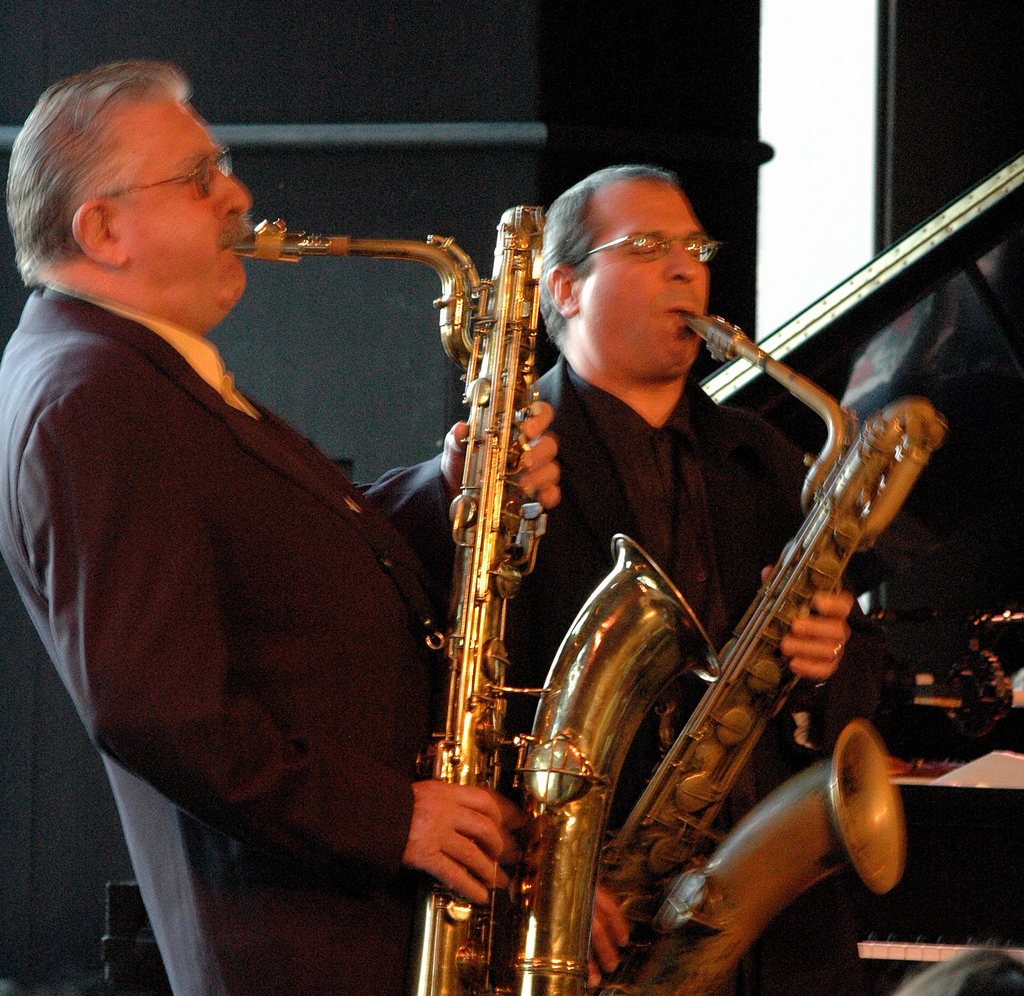
Early life and musical formation
Born in Lochgelly, Scotland, Temperley grew up in a musical environment that led him to pursue woodwinds professionally. He developed a deep understanding of jazz language and ensemble playing while performing in clubs and on broadcasts in the United Kingdom. Like many European jazz musicians of his generation, he later worked internationally and became a prominent figure on the transatlantic jazz scene.
Instruments and style
Temperley was valued for his mastery of low-register instruments and his ability to blend within large ensembles as well as to stand out when soloing. His primary instruments included:
- Baritone saxophone — known for a full, resonant tone and rhythmic drive.
- Bass clarinet — used to add depth and color to arrangements and solos.
- Other saxophones and woodwinds — employed as needed in studio and live settings.
Career highlights
Temperley performed with many leading ensembles and bandleaders over a long career. He was a member of the Thad Jones/Mel Lewis Orchestra, a high-profile big band that helped define modern big-band swing and improvisation. Later he became associated with the Jazz at Lincoln Center Orchestra, contributing to its repertory performances and recordings and connecting with younger generations of players. His work encompassed big-band charts, small-group dates, studio sessions and international tours.
Legacy and recognition
Temperley is remembered as an elder statesman of jazz who combined melodic invention with strong ensemble sense. Musicians and audiences praised his tone, lyrical phrasing and reliability as a section player and soloist. He appeared on numerous recordings and influenced many baritone saxophonists and bass clarinetists who followed him.
In his later years he battled illness; he had cancer and died on 11 May 2016 in Manhattan, New York, from complications related to kidney failure. His contributions to jazz—especially to the repertoire and sonorities of the lower-register woodwinds—remain respected by colleagues and listeners worldwide.
Related articles
Author
AlegsaOnline.com Joe Temperley Leandro Alegsa
URL: https://en.alegsaonline.com/art/50469