
Joel Kovel — ecosocialist scholar, psychiatrist, and author
American scholar (1936–2018) who linked Marxist political economy, social psychiatry and environmentalism; author of The Enemy of Nature and a leading voice in ecosocialist thought.
Overview
Joel Kovel (August 27, 1936 – April 30, 2018) was an American scholar, writer and activist whose work brought together political economy, social psychiatry and environmental thought. He is widely associated with the development and popularization of ecosocialism, an approach that locates ecological crises in the social and economic structures of modern capitalism rather than treating them as isolated technical problems.
Image gallery
1 Image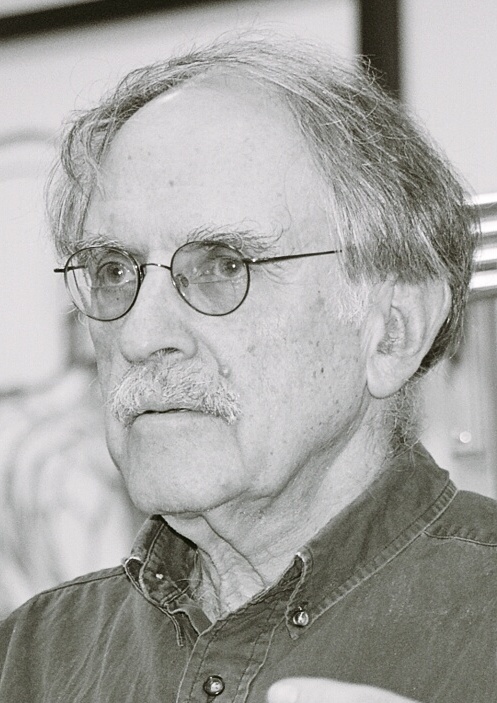
Intellectual contributions
Kovel argued that ecological breakdown cannot be resolved by market mechanisms or narrow technological fixes alone. Drawing on Marxist critique, social theory and an interest in psychology, he emphasized how patterns of production, consumption and accumulation shape human relationships to nature. He called for systemic changes that combine social justice, democratic control of resources and limits on growth-oriented economic imperatives.
Background and career
Kovel trained and worked across disciplines, including mental health and social theory, and published for both scholarly and general audiences. His interdisciplinary stance aimed to bridge academic analysis and political engagement, bringing insights from clinical practice and social critique to debates about environment, economy and culture.
Major works
- The Enemy of Nature: The End of Capitalism or the End of the World? — Kovel's best-known book, a sustained ecosocialist manifesto that synthesizes ecological science with a critique of contemporary capitalism.
- Overcoming Zionism — a controversial political intervention applying his ethical and political concerns to questions of national policy and justice.
- Other writings include essays and books on social psychiatry, international politics and radical theory, aimed at both activists and scholars.
Reception and criticism
Kovel's work has been influential among left-green thinkers, environmental activists and scholars of political ecology who seek frameworks that integrate social emancipation with ecological limits. Critics have argued that some of his proposals are politically difficult to achieve or that they understate the potential role of technology and transitional policies; supporters value his insistence that social justice and environmental sustainability are inseparable.
Legacy
At his death in 2018, Kovel left a body of writing used by activists, students and researchers interested in ecosocialist alternatives to market-based environmental policy. His interdisciplinary approach continues to inform debates about how to align ecological stewardship with democratic and egalitarian social change.
Related articles
Author
AlegsaOnline.com Joel Kovel — ecosocialist scholar, psychiatrist, and author Leandro Alegsa
URL: https://en.alegsaonline.com/art/50478
Sources
- democracynow.org : "Scholar and Activist Joel Kovel Dies at 81 in New York City"