
Joaquín Sorolla — Spanish painter renowned for light, beaches and portraiture
Biography and overview of Joaquín Sorolla (1863–1923), a Spanish painter celebrated for luminous seascapes, portraits, social scenes and a major mural cycle that brought Spanish life to international audiences.
Overview
Joaquín Sorolla y Bastida was a Spanish painter born on February 27 and in the year 1863. He died on August 10 in 1923. Widely recognized for his luminous handling of sunlight and for lively beach scenes, Sorolla worked across portraits, landscapes and large-scale narrative works. He was a leading figure in late 19th- and early 20th-century Spanish art and remains celebrated for the sensuous immediacy of his brushwork and color.
Image gallery
10 Images


Style and technique
Sorolla combined naturalistic detail with a fascination for the effects of bright, Mediterranean light. Working often en plein air, he painted with rapid, confident strokes that suggest rather than catalogue form. Critics and historians frequently note his affinity for capturing fleeting atmospheric effects, sunlit skin tones and shifting reflections on water. These traits place him near contemporary Impressionist concerns while preserving a strong commitment to figurative clarity.
Career highlights and major works
Born in Valencia, Sorolla achieved success with portrait commissions and exhibitions in Spain and abroad. He produced portraits of private patrons and public figures, intimate domestic scenes and striking seascapes of beach life. One of his most ambitious undertakings was a large mural commission in the United States: a sweeping series that portrayed regional scenes of Spain for an American cultural institution, bringing Spanish popular life to international audiences.
Subjects and themes
- Beach and seascape scenes highlighting sunlight on water and figures at leisure.
- Portraiture—both formal commissions and informal, sunlit studies.
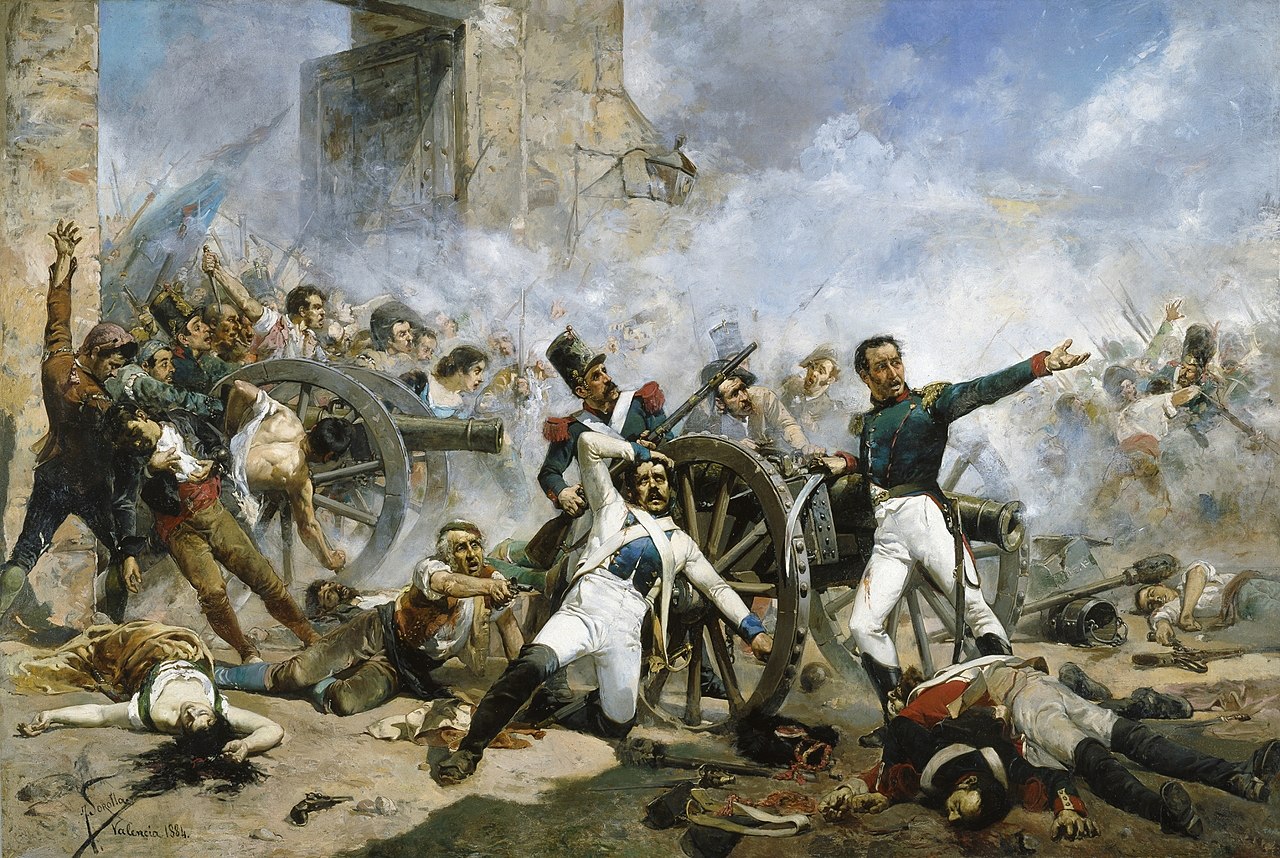
- Social and historical compositions that combine narrative content with grand scale.
Legacy and institutions
Sorolla’s work remains prominent in Spanish museums and private collections. The artist’s former Madrid home and studio is preserved as a museum and offers a concentrated view of his practice, while other public collections display his canvases to illustrate Spain’s artistic response to modern life at the turn of the century. Both scholars and the general public continue to value Sorolla for his technical skill and his ability to convey warmth, movement and the sensory experience of light.
Notable facts
Though often associated with the relaxed scenes of seaside leisure, Sorolla also engaged with serious civic themes and large commissions. His reputation rests on an unusual combination: technical virtuosity, an intuitive sense of color, and an enduring capacity to portray ordinary moments with monumental freshness. For further reading and images, see museum catalogues and online collections that feature his work and context about Spanish painting of his era (further resources, biographical notes, chronology).
Related articles
Author
AlegsaOnline.com Joaquín Sorolla — Spanish painter renowned for light, beaches and portraiture Leandro Alegsa
URL: https://en.alegsaonline.com/art/50406