
Joe Armstrong (programmer)
British computer scientist Joe Armstrong co-designed the Erlang language. He worked on reliable, concurrent systems, earned a PhD at KTH and later taught there; he died in 2019.
Overview
Joe Armstrong (27 December 1950 – 20 April 2019) was a British computer scientist best known as a principal co‑designer of the Erlang programming language. Born in Bournemouth, Hampshire, he contributed to the development of software for highly available, fault‑tolerant telecommunication systems and later shared that experience through teaching and writing.
Image gallery
1 Image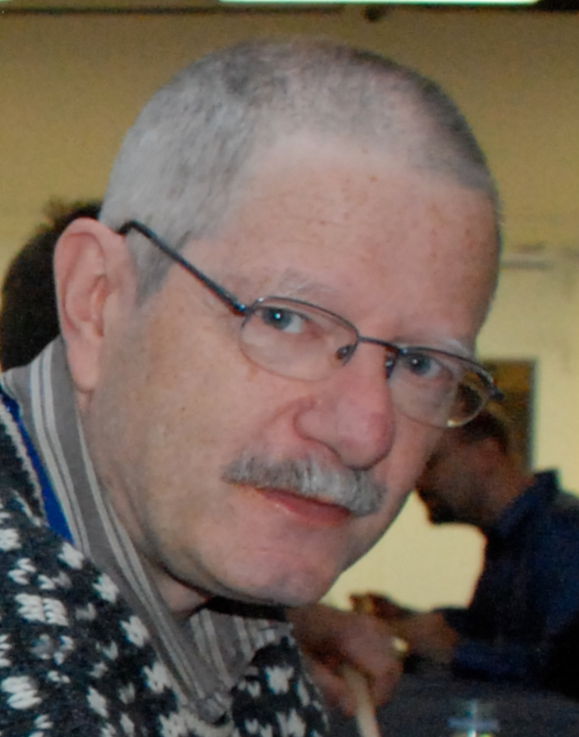
Contribution and context
Armstrong helped create Erlang while working on systems for industry and research. Erlang was developed to meet the demands of concurrent, distributed telephony software and has influenced the design of later actor‑style concurrent systems. He worked with fellow co‑designers and engineers to shape the language and its runtime, and he documented practical uses and techniques for building reliable services in publications and talks. The language itself is commonly referenced as Erlang.
Characteristics of Erlang
- Lightweight processes and explicit message passing for concurrency.
- Designed for fault tolerance with supervision trees and restart strategies.
- Support for hot code swapping so systems can be updated with minimal downtime.
- Functional programming style with immutable data and pattern matching.
- Suitability for distributed, real‑time and high‑availability services.
Education, career and legacy
Armstrong earned a Ph.D. in computer science from the KTH Royal Institute of Technology in Stockholm and later held an academic post as a professor there. Beyond his work at industry labs, he taught, lectured widely, and wrote for practitioners, helping spread ideas about building pragmatic, resilient software. Erlang's design influenced messaging platforms, telecom infrastructure, and other systems that require continuous operation.
Importance and notable facts
Armstrong is remembered for blending practical engineering with clear explanations of how to construct dependable concurrent programs. His work left a lasting impact on both the tools engineers use for distributed systems and the broader understanding of fault‑tolerant design. He died in 2019 at the age of 68, leaving a legacy carried forward by the language community and systems that adopted Erlang‑style approaches.
Further reading and resources are available through preserved materials and technical collections linked from his profiles and the language project.
Related articles
Author
AlegsaOnline.com Joe Armstrong (programmer) Leandro Alegsa
URL: https://en.alegsaonline.com/art/50425
Sources
- commons.wikimedia.org : Joe Armstrong
- bug.hr : "Preminuo Joe Armstrong, jedan od autora programskog jezika Erlang"