
Jim Marrs (1943–2017) — American journalist and author on conspiracy topics
Jim Marrs was a Texas-born journalist and bestselling author who wrote widely on alleged government cover-ups, from the JFK assassination to UFOs and 9/11; he also taught an assassination course at UT Arlington.
Overview
Jim Marrs (December 5, 1943 – August 2, 2017) was an American reporter and author who became a prominent figure within modern conspiracy literature. Born in Fort Worth, Texas, he worked for many years as a newspaper journalist in the Dallas–Fort Worth area before gaining national attention for books and articles that advanced alternative explanations for major historical events. Several of his works reached broad audiences and were described as New York Times-level bestsellers by some outlets and publishers; his writings blended investigative reporting, interpretation of public records, and synthesis of fringe theories. New York Times coverage and lists have been cited in discussions of his reach and influence.
Image gallery
1 Image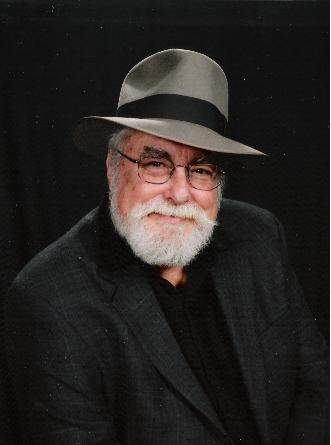
Career and major themes
Marrs began in traditional journalism but later concentrated on subjects that challenge official accounts. He wrote about the assassination of John F. Kennedy, extraterrestrial phenomena, alleged secret societies, intelligence-community activities, and 9/11. His 1989 book Crossfire: The Plot That Killed Kennedy became particularly influential among critics of the Warren Commission and was one of the sources credited with informing Oliver Stone’s film JFK. Other topics in his bibliography include alleged government involvement in UFO cover-ups and studies of claimed psychic phenomena such as telepathy. Marrs often framed these subjects as part of a wider pattern of concealed power and institutional secrecy.
Teaching, public presence, and affiliations
Beyond books and newspaper work, Marrs maintained a public presence through lectures, interviews, and a long-running academic course. For roughly three decades he taught a popular class on the assassination of John F. Kennedy at the University of Texas at Arlington, often described in press accounts and course listings as an alternative history seminar; references to that course appear tied to the listing or description of the class itself at the university level via course materials. He also participated in conferences and organizations that promoted independent inquiries into events such as the September 11 attacks, including membership in groups like Scholars for 9/11 Truth.
Reception and criticism
Marrs’ work achieved a wide readership and influenced popular culture around conspiracy subjects, but it also attracted substantial criticism. Mainstream historians, intelligence analysts, and journalists often faulted his methods for relying on conjecture, imperfect documentary interpretations, and sources that other scholars regarded as unreliable. Critics argued that his narrative constructions occasionally conflated coincidence with coordination and favored expansive explanations over conventional, evidence-based accounts. Supporters countered that his work stimulated public debate and encouraged scrutiny of official explanations.
Legacy and selected works
Jim Marrs died of a heart attack on August 2, 2017, in Springtown, Texas, at age 73. He left a body of work that remains a reference point within communities interested in alternative histories and conspiracy research. His books continue to be read by those seeking non-mainstream perspectives on twentieth- and twenty-first-century controversies.
- Crossfire: The Plot That Killed Kennedy — influential account of alleged plots surrounding JFK’s assassination and source material for discussions of conspiratorial explanations.
- Alien Agenda — one of several titles where Marrs examined claims about extraterrestrial contact and official secrecy.
- Other titles addressed 9/11, secret societies, and intelligence operations; these works contributed to debates about government transparency and public trust.
For readers seeking more context about Marrs’ life and work, contemporary newspaper profiles, university course descriptions, and critical reviews provide a range of perspectives on his methods and influence. Biographical notes identify his Texas origins in Fort Worth and his later residence; accounts of his death locate it in Springtown. Those researching the subject will find both his published arguments and the broad critique of them useful for understanding how conspiracy narratives can shape public conversation.
Related articles
Author
AlegsaOnline.com Jim Marrs (1943–2017) — American journalist and author on conspiracy topics Leandro Alegsa
URL: https://en.alegsaonline.com/art/50229
Sources
- dallasobserver.com : "The truth is way out there"
- wcmessenger.com : "Jim Marrs, author and conspiracy theorist, dies"