
Jim Henry (ice hockey) — Canadian NHL goaltender and coach
Overview of Samuel James 'Sugar Jim' Henry, a Canadian NHL goaltender who played 406 games, his teams, career highlights, post-playing coaching, and honors.
Samuel James "Sugar Jim" Henry (October 23, 1920 – January 21, 2004) was a Canadian professional ice hockey goaltender who played in the mid-20th century. Best known for a steady, workmanlike presence between the pipes, Henry appeared in 406 National Hockey League games. His career spanned major leagues and senior circuits in North America, and after retiring as a player he spent time behind the bench as a coach. He is remembered in his native province with induction into the Manitoba Sports Hall of Fame & Museum.
Image gallery
3 Images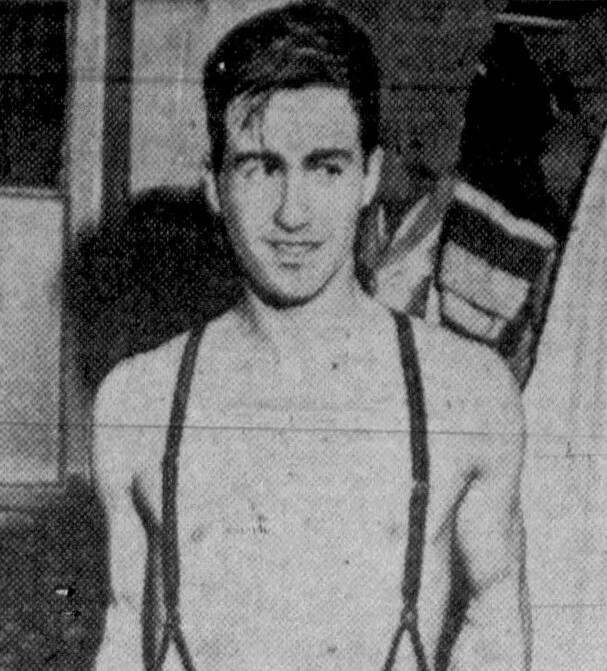


Playing career and teams
Henry broke into high-level hockey in the 1940s and remained active into the late 1950s. In the NHL he played for several Original Six clubs: the New York Rangers, the Chicago Black Hawks and the Boston Bruins. His long professional tenure also included significant time in the American Hockey League and other professional circuits.
- National Hockey League (NHL): 406 games over multiple seasons.
- American Hockey League (AHL): played for New Haven franchises (Eagles/Ramblers) and the Indianapolis Capitals.
- United States Hockey League (USHL): stints with the Kansas City Mohawks and the Omaha Knights.
- International Hockey League (IHL): concluded playing career with a short spell at the St. Paul Saints and later coached the Toledo Mercurys for a season.
One notable transaction occurred on October 7, 1948, when Henry was included in a deal that sent him to the Chicago Black Hawks in exchange for players including Emile Francis and Alex Kaleta. That trade is often referenced when reviewing the movement of goaltenders and prospects in the postwar NHL.
Style of play and reputation
Nicknamed "Sugar Jim," Henry was regarded as a dependable netminder rather than a flashy superstar. Contemporary accounts describe him as having good positional sense and a calm approach under pressure. Like many goaltenders of his era he played without a mask, relying on reflexes and toughness in an era of frequent physical play and heavy pucks.
Although comprehensive season-by-season advanced statistics are not as complete for players of Henry's generation as they are for modern athletes, his longevity and the number of NHL appearances indicate that coaches and general managers viewed him as a reliable option for multiple teams. His career path—moving between the NHL and high-level minor leagues—was typical for many professional players in the 1940s and 1950s, when roster depth and wartime disruptions shaped personnel decisions.
Later life, coaching and recognition
After his playing days ended in 1959, having finished with nine games for the St. Paul Saints of the IHL, Henry turned to coaching. He led the Toledo Mercurys of the IHL for one season and later coached the Brandon Wheat Kings of the Saskatchewan Junior Hockey League for a season, contributing to the development of younger players. His posthumous recognition included induction into the Manitoba Sports Hall of Fame & Museum in 2004, the year of his death.
Henry's career is illustrative of the professional hockey landscape in the mid-20th century: frequent movement between leagues, strong regional ties, and a transition from playing to coaching that allowed many veterans to remain in the sport. His life is documented in regional histories and team records, and his name appears in many team rosters and transaction lists from the era. For general reference on the position and era in which he played, see material on the goaltender role and period summaries of the goaltender position and the wider history of the game.
Teams and organizations associated with Henry can be explored further through historical rosters and archives for the Rangers, Black Hawks, Bruins, and the various AHL/USHL/IHL franchises he represented, as well as junior clubs such as the Brandon Wheat Kings. Additional primary-source material and detailed statistics are available in specialized sports archives and museum collections for researchers seeking game logs, transaction dates, and contemporaneous accounts of his performances. League histories also provide context for the era in which Henry competed.
Samuel James "Sugar Jim" Henry died on January 21, 2004. His playing career and later coaching roles remain part of mid-century Canadian hockey history and of the communities where he played and coached.
Related articles
Author
AlegsaOnline.com Jim Henry (ice hockey) — Canadian NHL goaltender and coach Leandro Alegsa
URL: https://en.alegsaonline.com/art/50219
Sources
- mbhockeyhalloffame.ca : "Sugar Jim Henry: A Remembrance"