
Jerusalem Central Bus Station — main transit hub in western Jerusalem
Primary public bus terminal in Jerusalem located on Jaffa Street near Binyanei HaUma and the Chords Bridge; a multimodal interchange for local, intercity and regional services.
The Jerusalem Central Bus Station is the city's principal bus terminal and a major public-transport interchange located at the western entrance of Jerusalem on Jaffa Street. It functions as a hub for local and intercity bus operators and provides direct pedestrian and vehicle access to nearby transport facilities, cultural venues and commercial services. For location details see coordinates and map.
Image gallery
6 Images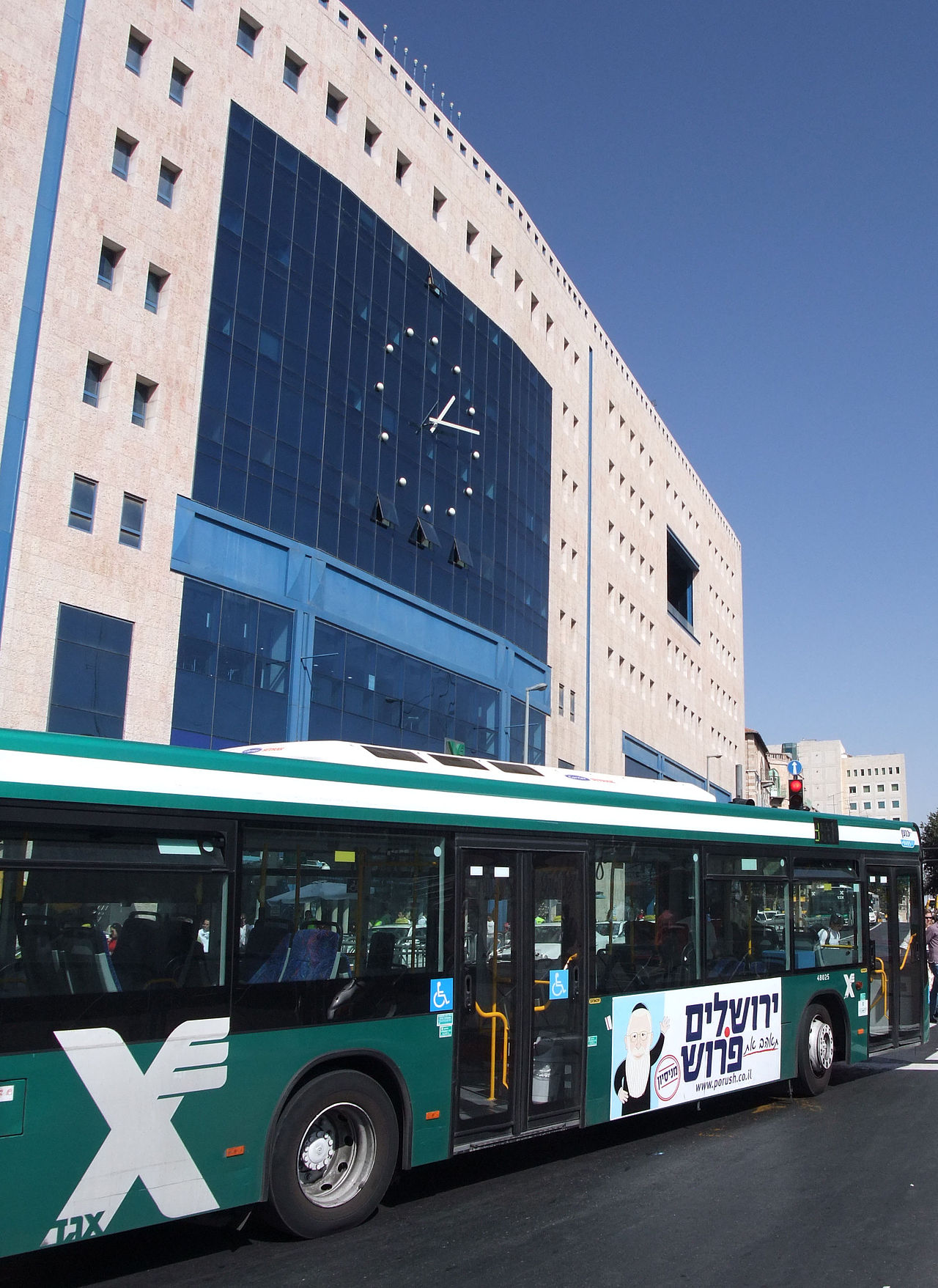


Layout and facilities
The station complex typically includes multiple sheltered platforms for boarding and alighting, ticket counters, real-time information displays, waiting areas, retail outlets and food concessions. It also accommodates taxi stands, short-term parking and connections to pedestrian routes that lead to adjacent landmarks. Many services running through the terminal are operated by the national carrier and local companies, providing routes across the metropolitan area and to other cities.
Connections and urban context
Positioned on Jaffa Street near the Jerusalem Binyanei HaUma railway complex, the bus station links with rail services and the city's light rail line, creating a multimodal transfer point for commuters and visitors. The striking Chords Bridge by Santiago Calatrava is a nearby visual landmark that carries the light rail into the city center; the bridge opened in the 21st century and is often used as a reference point for the station's location. Additional contextual information is available via city transit pages.
History and development
The site's role as a transport focal point evolved over decades as Jerusalem expanded westward. The present complex was developed in stages to consolidate scattered stops into a single central terminal and to improve connections with emerging rail and tram infrastructure. Renovations and operational changes have focused on passenger flow, accessibility and integration with urban planning initiatives.
Services and importance
As the main bus gateway for Jerusalem, the station supports daily commuting, tourism and regional travel. It handles a mix of short local runs and longer intercity routes, and it serves as an interchange for travelers transferring between buses and trains. For schedules and operator information consult local transit resources such as official bus service pages.
Notable considerations for users include peak-hour crowding, step-free access on many platforms, and nearby cultural and convention facilities that increase passenger demand during events. The complex remains an essential element of Jerusalem's transport network and urban fabric.
Related articles
Author
AlegsaOnline.com Jerusalem Central Bus Station — main transit hub in western Jerusalem Leandro Alegsa
URL: https://en.alegsaonline.com/art/50025