
Jerry Yellin — U.S. Army Air Forces pilot who flew the final WWII combat mission
Profile of Jerome “Jerry” Yellin (1924–2017), a USAAF fighter pilot best known for flying what is described as the final combat mission of World War II, his service, aircraft, later life and legacy.
Overview
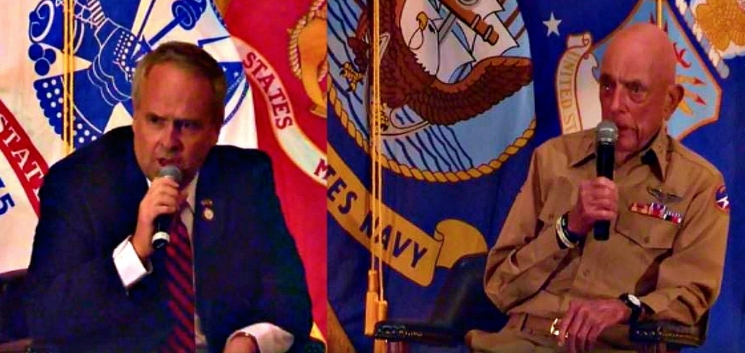
Jerome "Jerry" Yellin (February 15, 1924 – December 21, 2017) was an American fighter pilot in the United States Army Air Forces during World War II. He is widely remembered for flying what is commonly described as the final combat mission of the war. His wartime service and later public life made him a visible figure in discussions about the closing days of the Pacific War, the human costs of aerial combat, and the long-term needs of returning veterans.
Image gallery
4 Images

Early life and military service
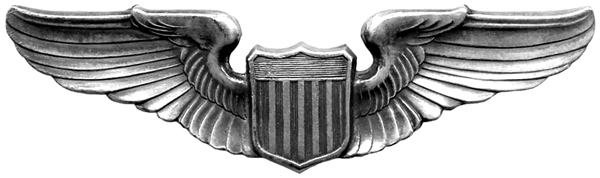
Born in 1924, Yellin joined the U.S. Army Air Forces during the global conflict of the 1940s and trained as a fighter pilot. Like many airmen of his generation, he served in the Pacific theater as Allied forces pressed toward the Japanese home islands. Records and recollections of pilots from that period emphasize demanding training, long over-water ferry flights, and a mix of escort, patrol and ground-attack missions as the air war evolved in 1944–45.
The final mission and historical context
On August 14, 1945 (August 15 in Tokyo local time), Yellin flew a sortie in which his unit attacked a military airfield near Tokyo. He piloted a North American P-51 Mustang, a long-range fighter that had become a mainstay of Allied operations. This flight is often cited as the last known U.S. combat mission of the Pacific War. It occurred after a decisive string of events that led to Imperial Japan’s decision to accept surrender terms: the United States had employed atomic bombs against Japan in early August—first on Hiroshima and then, five days before Yellin’s mission, the second bomb was dropped on Nagasaki by a B-29 Superfortress nicknamed Bockscar as part of the strategic bombing campaign conducted by aircraft such as the Boeing B-29 Superfortress.
Aircraft and operational role
The P-51 Mustang Yellin flew was valued for its speed, range and maneuverability; these qualities made it effective both as a bomber escort and in independent fighter-bomber operations. The B-29, in contrast, represented the long-range strategic bombing capability that brought large-scale aerial bombardment and, in the closing days of the war, atomic strikes to the Japanese home islands. The juxtaposition of these aircraft types illustrates the tactical and strategic dimensions of Allied air power in 1945.
Post-war life and advocacy
After the war, Yellin returned to civilian life. Like many veterans he spoke later about the moral and psychological consequences of combat, and he took part in public discussions and remembrance events. He became known for reflecting on the personal impact of wartime service and for advocating attention to veterans’ wellbeing. Over the decades, he participated in interviews and memorial activities that sought to place individual experiences within the broader historical record and to promote care for those who served.
Significance and remembrance
Yellin’s association with the war’s final combat sortie is frequently invoked in histories and remembrances of the Pacific War as a human-scale marker of a vast, complex conflict. Individual stories like his are used by historians and journalists to convey the immediacy of operations that continued up to the moment when Japan moved toward surrender. Such accounts also underscore that servicemembers often faced conflicted feelings about victory, loss, and the means by which the war ended.
Death and legacy
Jerome Yellin died on December 21, 2017, in Orlando, Florida. His death was attributed to lung cancer; he was 93 years old. Obituaries and remembrances after his passing noted both his wartime service—including the widely reported role in the closing hours of the Pacific War—and his later efforts to remember and assist fellow veterans. His life is remembered as part of the larger story of the generation that served in World War II.
- Notable mission: Final combat mission, Aug 14–15, 1945
- Fighter type: P-51 Mustang
- Strategic context: B-29 Superfortress operations; Bockscar and Nagasaki
- Death and place: lung cancer in Orlando
Related articles
Author
AlegsaOnline.com Jerry Yellin — U.S. Army Air Forces pilot who flew the final WWII combat mission Leandro Alegsa
URL: https://en.alegsaonline.com/art/50009