
Jeanne de Valois-Saint-Rémy: claimant, conspirator, and the Diamond Necklace scandal
Jeanne de Valois-Saint-Rémy was an 18th-century French noble claimant who played a central role in the Affair of the Diamond Necklace, a scandal that damaged public confidence in the monarchy before the French Revolution.
Overview
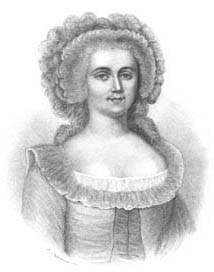
Jeanne de Valois-Saint-Rémy (22 July 1756 – 23 August 1791), often known as Jeanne de la Motte after her marriage, was a French noble claimant who became notorious for her leading role in the late-18th-century fraud known as the Affair of the Diamond Necklace. She claimed descent from the royal Valois line through an illegitimate son of King Henry II and used that ancestry and a cultivated air of nobility to gain influence and sympathy among certain circles. Her actions, and the subsequent public trial, helped feed popular distrust of the crown and its institutions.
Image gallery
4 Images

Background and social position
Born into a family of mixed standing, Jeanne married Nicolas de la Motte, whose lineage and title were of dubious authenticity. Seeking status and money, she adopted the style and trappings of high nobility and pursued contacts at court and in the capital. Her ancestral claim is commonly described as a distant connection to the Valois dynasty; contemporary sources and later summaries discuss this descent in the context of attempts to establish social legitimacy and influence (see source on her lineage).
The Affair of the Diamond Necklace
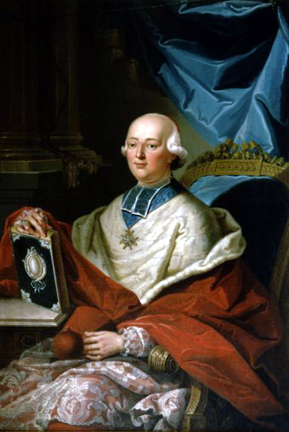
In the mid-1780s Jeanne engineered a complex deception involving a very expensive diamond necklace created by Parisian jewelers who hoped to sell it to the royal household. Exploiting the vanity and ambitions of several figures, she persuaded Cardinal de Rohan that he could regain favor with Queen Marie Antoinette by acting as an intermediary. Through forged letters, staged meetings and the use of accomplices, the conspirators obtained the necklace and began to dismantle it and sell its gems. The episode is normally referred to as the Affair of the Diamond Necklace and remains the defining event of Jeanne’s public life (details of the affair).
Trial, punishment and later life
When the fraud was exposed it provoked a sensational trial. The proceedings attracted intense public attention because they implicated a high-ranking cleric, leading jewelers and a woman who pretended to represent the queen. Public opinion was inflamed by the idea that the monarchy and its circle were corrupt or manipulative. Jeanne was condemned in the legal process; some conspirators received harsher or lighter treatment, and Jeanne ultimately fled abroad to avoid aspects of her sentence. Accounts of her final years describe diminished circumstances and a death in 1791, after which her reputation remained tied to the scandal.
Consequences and legacy
The affair did not cause the French Revolution by itself, but it damaged the monarchy’s image at a precarious historical moment. Newspapers, pamphlets and rumor amplified the episode and helped to erode the prestige of the royal family in the public mind. Historians often cite the case as one of several scandals that fed resentment and suspicion toward the ancien régime in the years before 1789 (context within the Revolution).
Key figures and notable facts
- Jeanne de Valois-Saint-Rémy (also known as Jeanne de la Motte): central conspirator.
- Cardinal de Rohan: a high-ranking churchman who was duped into involvement.
- Parisian jewelers: makers of the necklace who sought payment and recovery of their goods.
Related articles
Author
AlegsaOnline.com Jeanne de Valois-Saint-Rémy: claimant, conspirator, and the Diamond Necklace scandal Leandro Alegsa
URL: https://en.alegsaonline.com/art/49784