
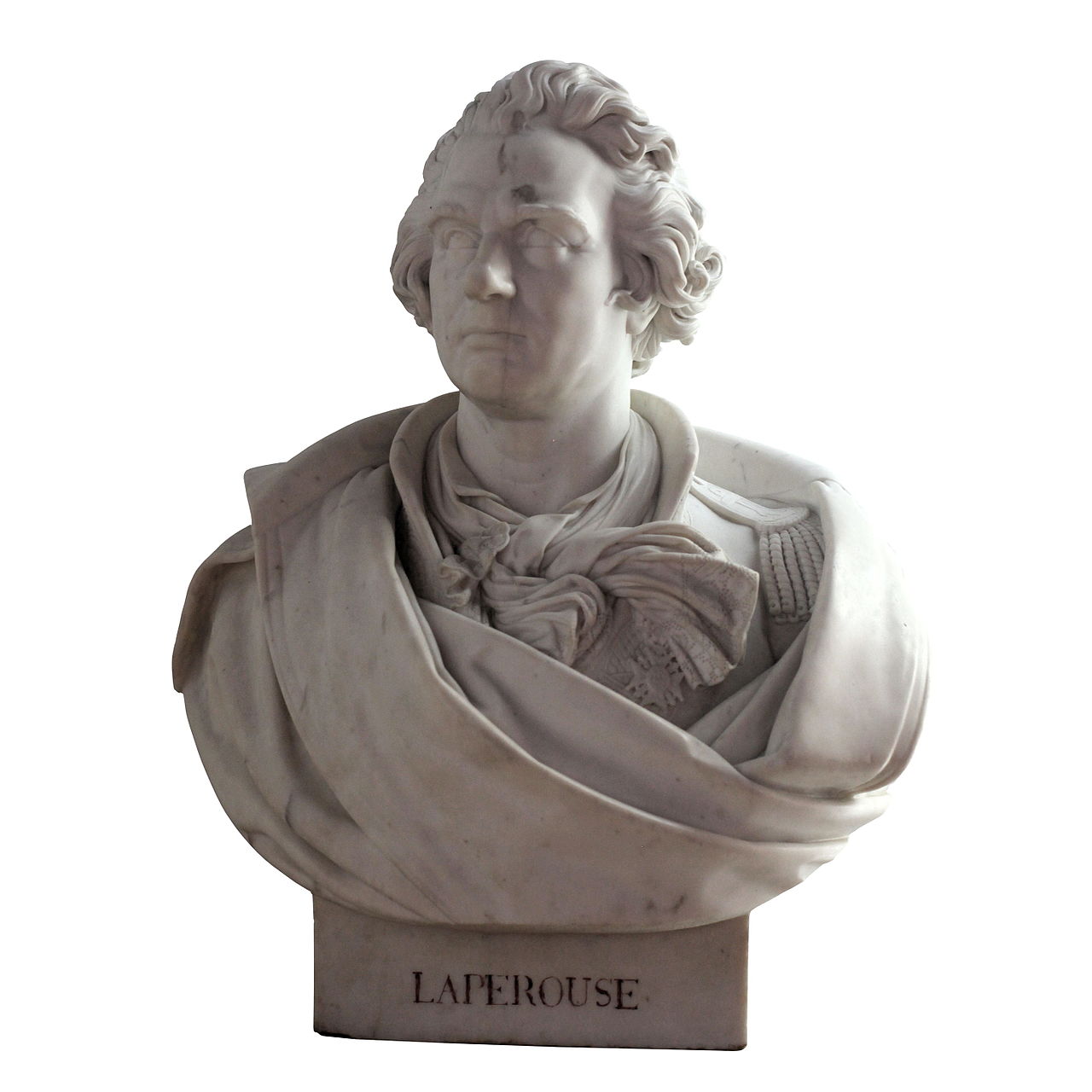
Jean-François de Galaup, comte de La Pérouse — French Pacific navigator
French naval officer and explorer (1741–1788) who led a scientific expedition into the Pacific, encountered the British First Fleet at Botany Bay in 1788, and was lost at sea after leaving Australia.
Jean-François de Galaup, comte de La Pérouse (1741–1788) was a French naval officer and explorer best known for commanding a major scientific and surveying expedition into the Pacific Ocean. Trained in the French navy, he combined navigational skill with an interest in natural history and cartography. His voyage was intended to extend geographic knowledge, collect scientific observations and establish safe charts for long-distance navigation.
Image gallery
10 Images




Early career and expedition
La Pérouse rose through the ranks of the French navy and was chosen to lead an ambitious circumnavigation that set out from France in the mid-1780s. He commanded two ships and a team of scientists and artists, following the era’s pattern of state-sponsored voyages that mixed exploration, diplomacy and scientific inquiry. The expedition visited many parts of the northern and southern Pacific, charting coastlines and making ethnographic and natural history observations.
Encounter with the British at Botany Bay
In January 1788 La Pérouse reached the Australian coast and met British officials who had recently arrived with the First Fleet. That meeting brought together competing European projects of colonisation and exploration; the French commander exchanged information with the British visitors and spent several weeks in the area around Botany Bay. Contemporary reports emphasise the polite and useful exchanges between the French and the British seamen and scientists on shore.
Disappearance and later discoveries
After leaving the Australian coast La Pérouse’s ships failed to reach their next destinations and nothing was heard from the expedition for many years. Initial uncertainty led to French and international searches. Later inquiries and local traditions suggested the vessels were wrecked in the western Pacific and that La Pérouse and most of his crew perished. Archaeological finds and 19th- and 20th-century investigations have since located wreckage and relics that are widely associated with his two ships.
Legacy and significance
La Pérouse is remembered for his contributions to Pacific cartography and to the scientific practice of combining navigation with systematic observation. His voyage produced charts, journals and specimens that enriched European knowledge of Pacific geography and peoples. Monuments, place names and collections in museums continue to commemorate the expedition and its unresolved human drama. For further reading on French exploration and his career see contemporary reference resources and archival collections (navigator studies and Pacific histories).
- Born: 1741; French naval officer and aristocrat.
- Notable: Commanded an official Pacific scientific expedition.
- 1788: Visited Botany Bay and encountered the First Fleet.
- Fate: Ships were lost after leaving Australia; wreckage later linked to his expedition.
Scholars continue to piece together the voyage’s route and outcomes from surviving documents, charts and recovered artifacts, making La Pérouse a lasting figure in the history of Pacific exploration and maritime science. For introductions and primary source summaries consult dedicated archives and online guides (naval biography, Pacific studies, Anglo-French contacts).
Related articles
Author
AlegsaOnline.com Jean-François de Galaup, comte de La Pérouse — French Pacific navigator Leandro Alegsa
URL: https://en.alegsaonline.com/art/49718
Sources
- adb.anu.edu.au : "La Pérouse, Jean-François de Galaup (1741–1788)"