
Botany Bay: geography, history, ecology and cultural significance
Botany Bay is a coastal embayment south of central Sydney, known for its role in early European contact, Aboriginal heritage, maritime ecology and nearby airport infrastructure.
Botany Bay is a shallow coastal bay a few kilometres south of the Sydney central business district in Sydney, New South Wales. It receives freshwater from two principal rivers and forms an important harbour and ecological zone on the metropolitan fringe. The bay sits within a larger network of waterways and coastal environments that have shaped local settlement, transport and recreation.
Image gallery
10 Images


Geography and physical features
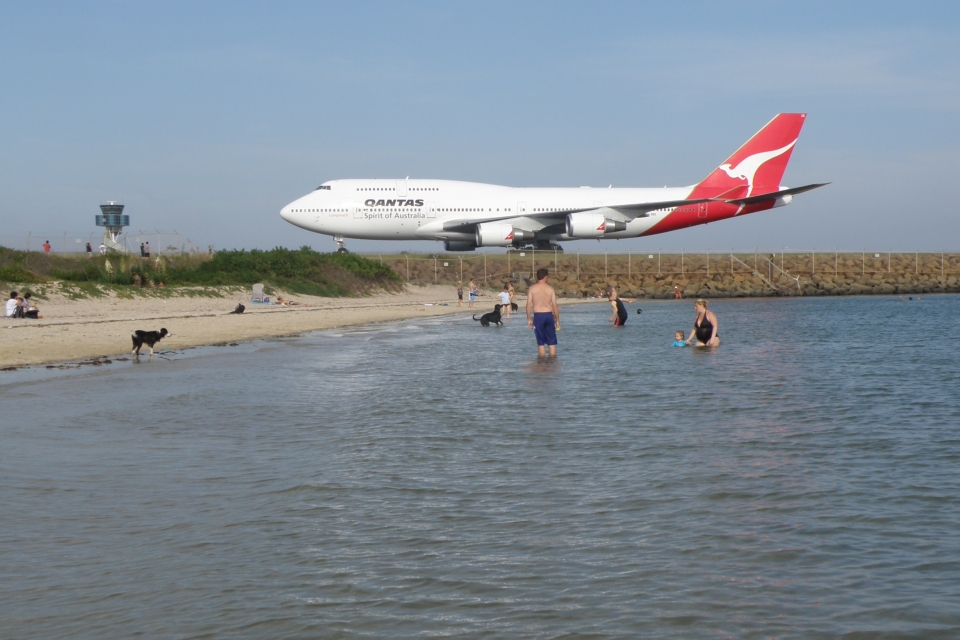
The bay opens to the Tasman Sea and is fed mainly by the Cooks River and the Georges River. These tributaries bring sediment and nutrients that influence mudflats, mangroves and seagrass beds in the upper reaches. Parts of the shoreline have been modified for industry and port facilities, and two runways of Sydney Airport extend into the water, a distinctive feature visible from many vantage points. The combination of natural shallow areas and human-made structures creates a variety of habitats and navigational considerations.
History and early contact
On 29 April 1770 the British naval expedition led by James Cook made its first recorded landing on the continent now known as Australia at this bay. More than a decade later, British planners identified Botany Bay as a potential location for a penal colony; the First Fleet was originally destined for the bay before establishing the first European settlement at Sydney Cove. Those events marked the start of sustained colonial engagement with the region and had lasting consequences for local peoples and landscapes.
Indigenous presence
Long before European arrival, the area around the bay was home to Aboriginal communities. General references to the region often use the term Aboriginal, while the coastal people around Sydney are commonly known as the Eora. Archaeological and oral histories attest to extended occupation and use of coastal resources, including fishing, shellfish gathering and seasonal movements across the broader harbour and estuary system.
Ecology, recreation and notable wildlife
Despite heavy shipping and nearby urbanisation, Botany Bay supports a range of marine and shore life. Seagrass beds, intertidal mudflats and rocky outcrops sustain birds, fish and invertebrates. The bay's entrance and adjacent reefs are popular with divers and snorkellers because of clear patches of water and diverse fauna. The southern side of the bay is known for notable populations of the weedy seadragon (Phyllopteryx taeniolatus), an emblematic species that attracts interest from naturalists and underwater photographers.
Significance and contemporary issues
Botany Bay remains important for transport, recreation and conservation. It lies close to urban centres and to major transport infrastructure, influencing land-use pressures and environmental management. Contemporary efforts balance industrial use with habitat protection and pollution control, while heritage initiatives interpret both Indigenous histories and early European contact. The bay's location can be expressed by coordinates; see general reference point at 33°58′S 151°10′E.
- Major rivers: Cooks River, Georges River
- Transport: Sydney Airport runways extend into the bay
- Historic links: landing by James Cook and later penal-colony plans (penal colony), settlement at Sydney Cove)
- People: Eora and other Aboriginal communities
- Wildlife: notable populations of weedy seadragon
For more detailed, location-specific resources, follow the links above to primary topics, local histories and ecological studies associated with Botany Bay and its surroundings.


Trivia
In the SciFi series Star Trek the name Botany Bay is used for the spaceship Khans (Star Trek II: The Wrath of Khan and Starship Enterprise, season 1, episode 22: The Sleeping Tiger).
The lyrics of the Irish folk song "Fields of Athenry" read: "As that prison ship sailed out against the sky; sure she'll wait and hope and pray, for her love in Botany Bay". These lines refer to a woman whose husband was sentenced to deportation to Australia for stealing grain during the Irish famine of the mid-19th century.

Related articles
Author
AlegsaOnline.com Botany Bay: geography, history, ecology and cultural significance Leandro Alegsa
URL: https://en.alegsaonline.com/art/13246