
Japanese railways: network, history, and significance
Overview of Japan's rail network, from local commuter lines to the Shinkansen high-speed system, covering history, operation, uses, and notable features.
Japan's railways form a dense, multilayered transport network that carries commuters, intercity travelers and freight across the country. The system combines publicly run and private operators and ranges from high-speed lines to local trams. For practical travel information and timetables see official resources.
Image gallery
4 Images
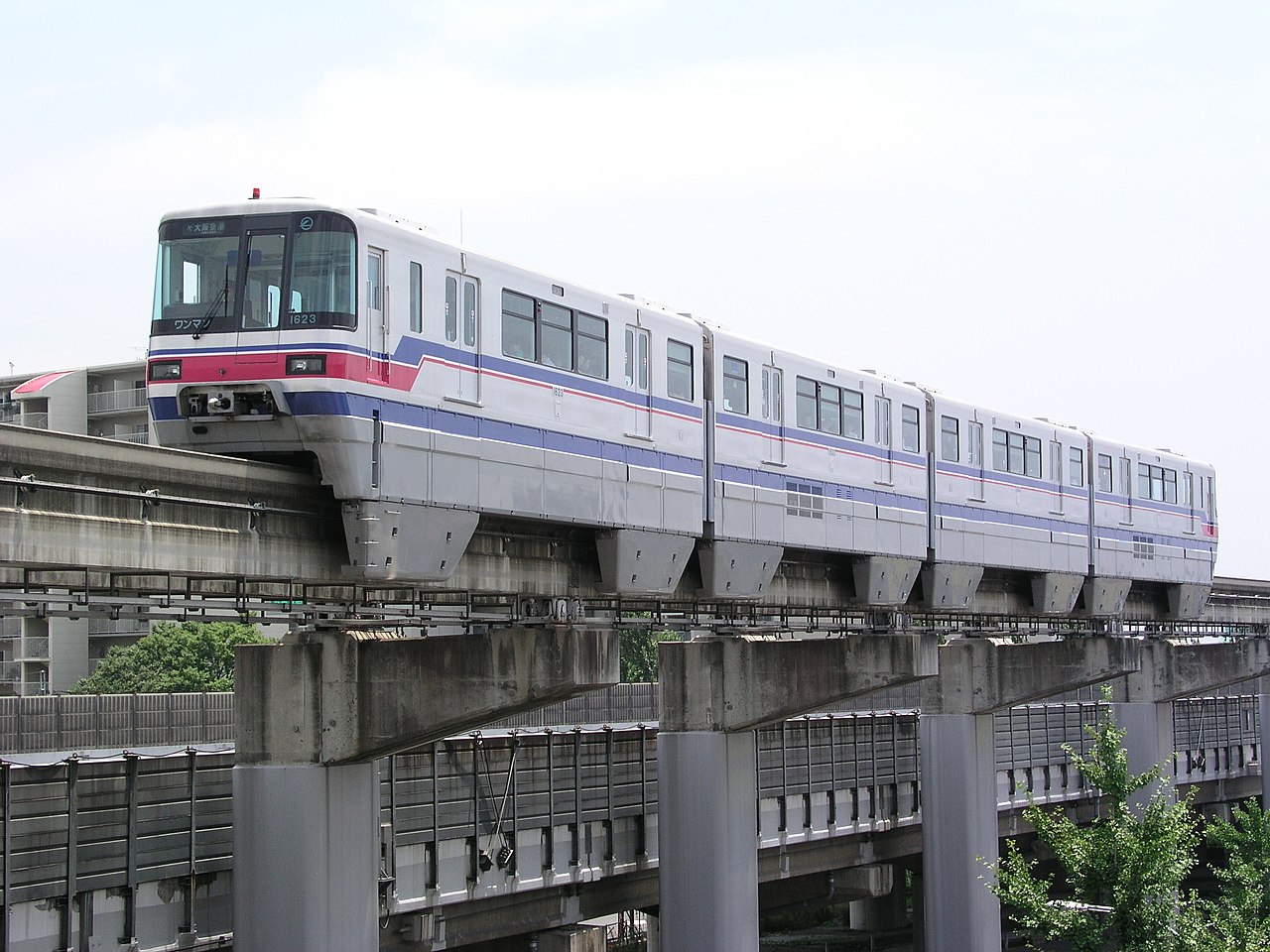
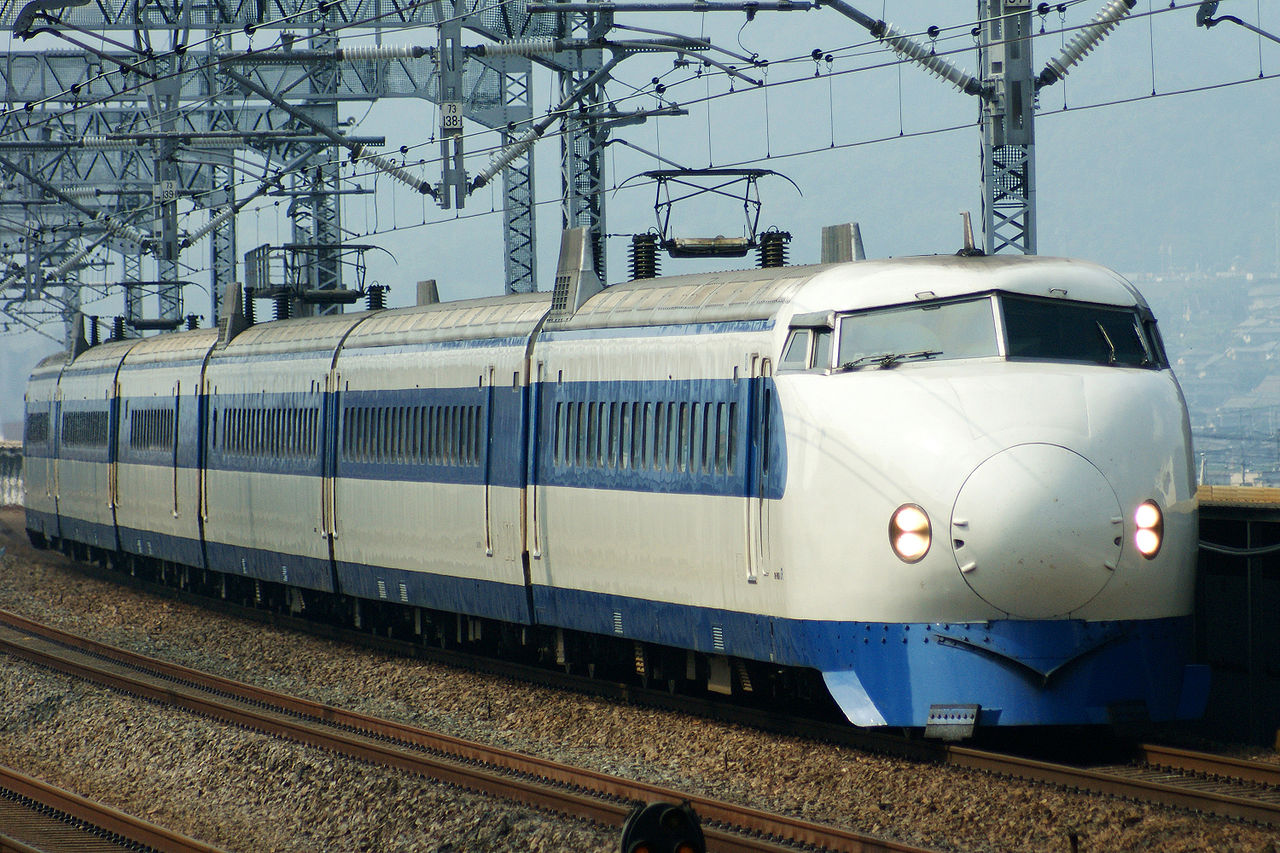

Main types and structure
- Shinkansen — dedicated high-speed lines connecting major cities.
- Conventional rail — regional and intercity services operated by various companies.
- Urban transit — subways, commuter rail and private lines serving metropolitan areas.
- Light rail and trams — street-level services in some cities, plus monorails and ropeways in limited locations.
Many routes are electrified and timed for high frequency. A mix of national companies (the Japan Railways group) and numerous private operators run services, often integrated by shared stations and ticket systems.
History and development
Japan's first railway opened in the 19th century, with steady expansion following industrialization. The nationwide high-speed network began operation in the 1960s and transformed long-distance travel. In the late 20th century the state-run system was reorganized into regional companies to improve efficiency and service quality.
Operational priorities emphasize punctuality, safety and high capacity. Advanced signaling and automatic train control systems are common, and rechargeable fare cards simplify transfers between different operators.
Uses, importance and notable features
Rail is central to daily life in Japan: it supports dense urban commuting, links economic centers, and reduces road congestion. Noteworthy characteristics include frequent services during peak hours, sophisticated station facilities, and a reputation for reliability. While passenger rail dominates, freight moves predominantly by road in many regions.
Visitors and residents alike rely on the rail network for routine and long-distance travel; its design and operations are often studied as a model of urban and intercity rail transport.
Related articles
Author
AlegsaOnline.com Japanese railways: network, history, and significance Leandro Alegsa
URL: https://en.alegsaonline.com/art/49540