
Japan Meteorological Agency (JMA)
Japan's national meteorological organization responsible for weather forecasting, seismic and tsunami monitoring, volcanic warnings, and related public safety services.
Overview
The Japan Meteorological Agency (気象庁, Kishōchō), commonly abbreviated JMA, is the national agency charged with observing the atmosphere, oceans and geophysical phenomena on behalf of the Japanese government. It issues routine weather information and official forecasts, and it maintains systems for detecting earthquakes, tsunamis and volcanic activity.
Image gallery
3 Images

Primary functions
JMA's activities cover operational monitoring, forecasting and warning. Its role combines scientific observation with public safety responsibilities, delivering bulletins and alerts that guide emergency response, transportation, agriculture and daily life. The agency interprets data from satellites, radar networks, weather stations and seismic sensors.
- Weather analyses, short- and long-range forecasting and public advisories (national weather service).
- Earthquake detection and rapid assessment of tsunami risk, including marine warnings (tsunami and marine warnings).
- Volcanic monitoring and eruption alerts (volcanic alerts).
- Data provision to government, industry and international partners.
Organization and operations
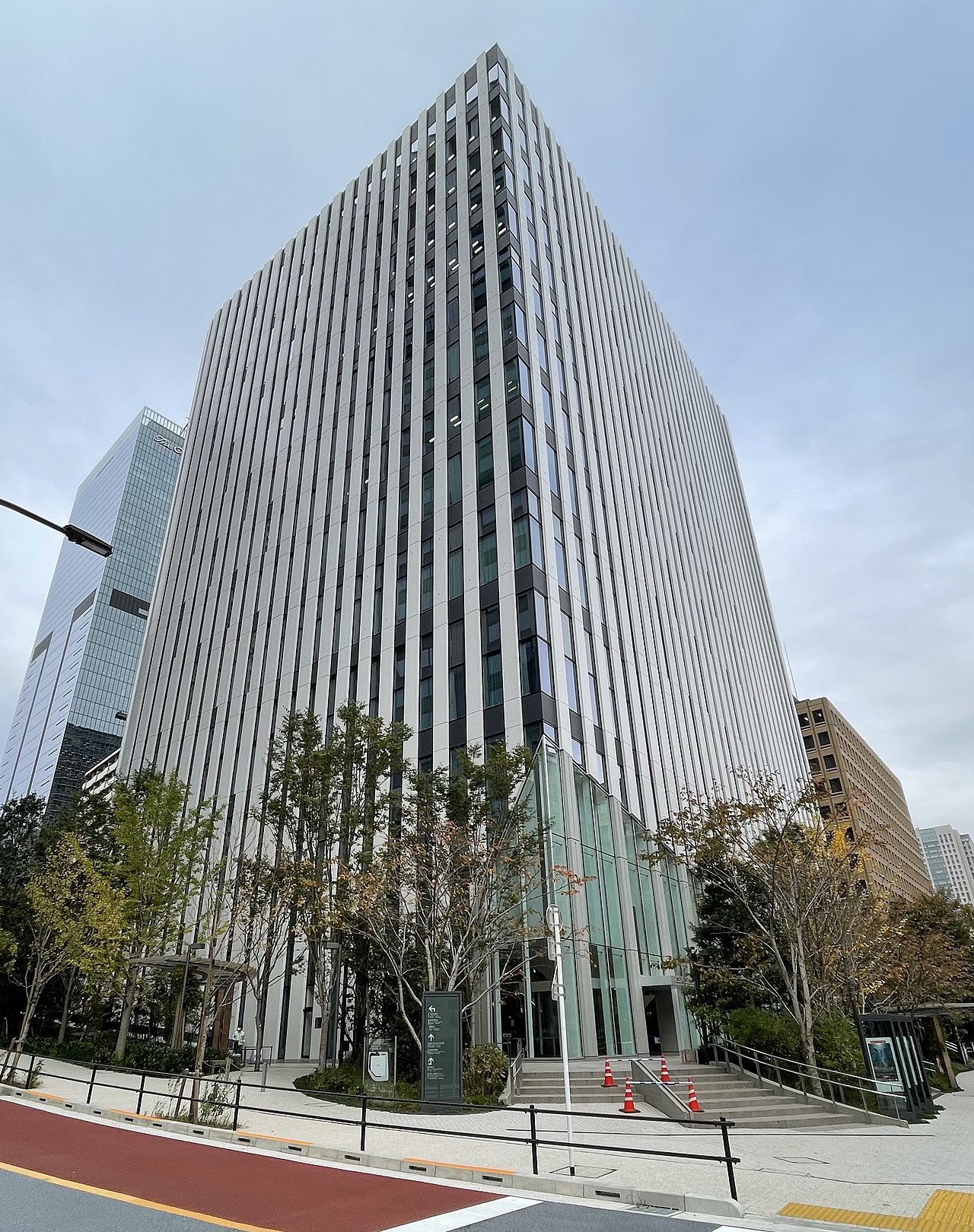
The agency's central headquarters is located in Tokyo, and it manages several regional offices and observatories distributed across the country to ensure local coverage and rapid response. JMA operates meteorological satellites, ground-based radar networks, tide gauges and dense seismic arrays to detect and track hazards in real time.
History and development
Tracing its roots to meteorological efforts in the late 19th century, the agency has evolved alongside advances in instrumentation, computing and communications. Over decades it expanded from basic weather observation to a comprehensive disaster-monitoring organization, integrating seismic and volcanic science into its public warning functions.
Services, public importance and international role
JMA provides daily forecasts, severe-weather warnings, marine and aviation advisories, and specialized products such as flood outlooks and climate summaries. Its warnings are a critical component of Japan's disaster risk reduction system. The agency also cooperates with foreign meteorological services and international bodies to exchange data, support regional tsunami advisories and contribute to global monitoring efforts.
Notable distinctions
Unlike agencies that focus solely on meteorology, JMA combines weather services with geophysical hazard monitoring—earthquakes, tsunamis and volcanic activity—under a single national authority. This integrated remit helps coordinate warnings and information during complex emergencies, making JMA a central institution in Japan's public safety infrastructure.
For official resources, technical bulletins and regional contact points consult the agency's communications and publicly released datasets available from its information services (government portal, forecast pages, service descriptions).
Related articles
Author
AlegsaOnline.com Japan Meteorological Agency (JMA) Leandro Alegsa
URL: https://en.alegsaonline.com/art/49500