
Japan Aerospace Exploration Agency (JAXA)
JAXA is Japan's national space agency responsible for aerospace research, satellite development and launches, robotic planetary exploration, space science and international cooperation in human and lunar exploration.
Overview: The Japan Aerospace Exploration Agency, commonly known by its acronym JAXA, is Japan's national space agency. It functions as an Independent Administrative Institution responsible for civil space and aeronautics research, technology development, satellite operations and launch services. JAXA leads national efforts in space science, Earth observation, and robotic exploration while collaborating with foreign agencies and commercial partners.
Image gallery
10 Images





Organization and role
JAXA coordinates engineering, scientific research and mission operations across laboratories and launch centers. It develops and launches scientific and operational satellites into orbit for purposes that include weather, communications, navigation, and environmental monitoring. The agency also studies aeronautics, tests new launch vehicle technologies and supports human spaceflight programs through modules and facilities contributed to international endeavors.
History and development
JAXA was established in the early 2000s by combining three predecessors that had focused on space and aeronautical research, vehicle development and national aerospace laboratories. Since its formation it has consolidated Japan's space capabilities, maintaining domestic launch activity and increasing participation in global exploration initiatives. The agency's structure emphasizes research institutes, mission planning groups and launch facilities distributed across the country.
Major missions and launch vehicles
JAXA is known for a mix of Earth science programs and ambitious robotic missions. Notable activities include sample-return asteroid missions and lunar and planetary probes. Examples:
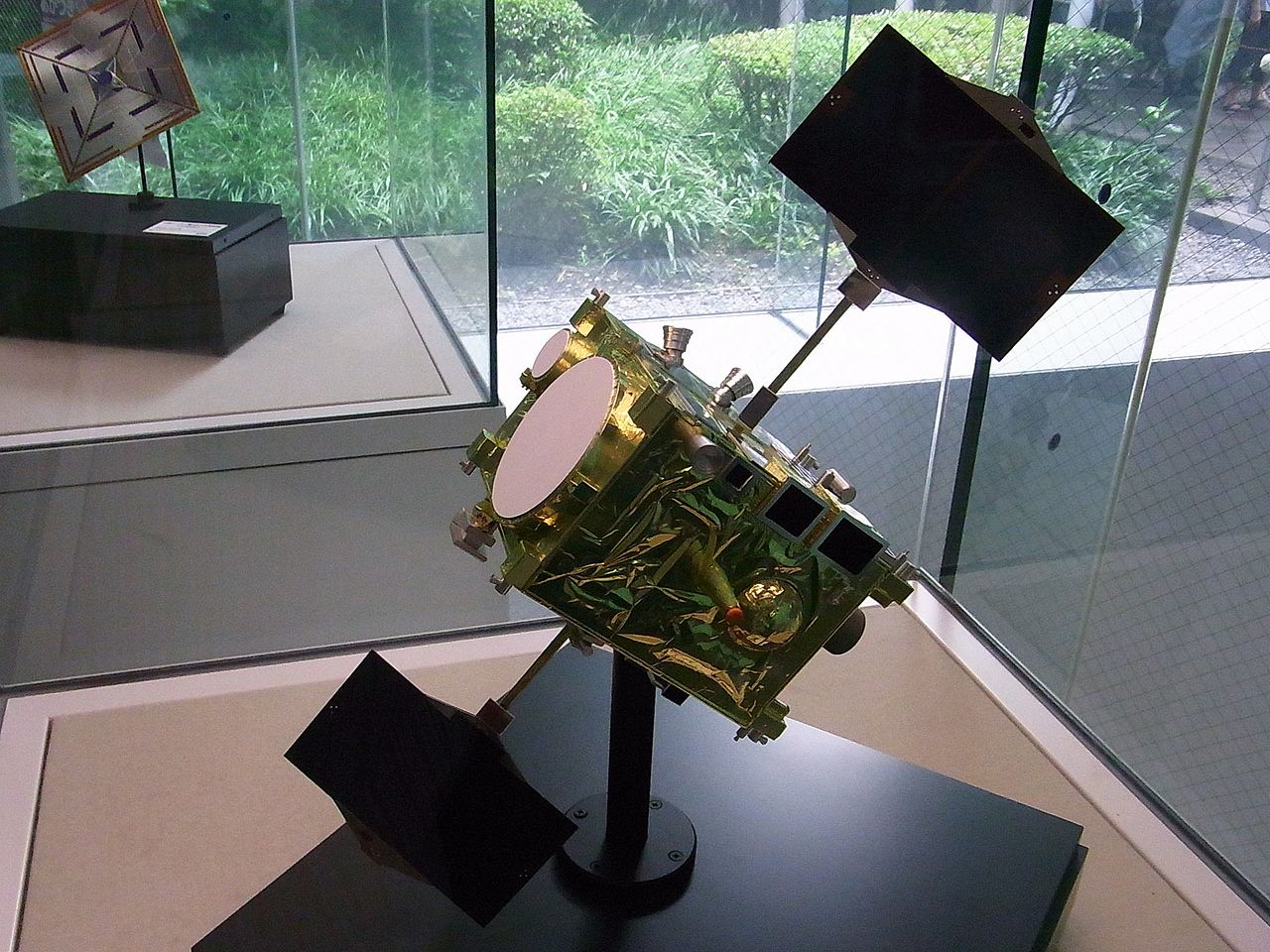
- Robotic asteroid exploration and sample-return (successful missions that returned material to Earth highlight Japan's expertise in small-body rendezvous and retrieval; see asteroid studies).
- Contributions to human orbital operations through facilities such as pressurized modules used aboard the International Space Station.
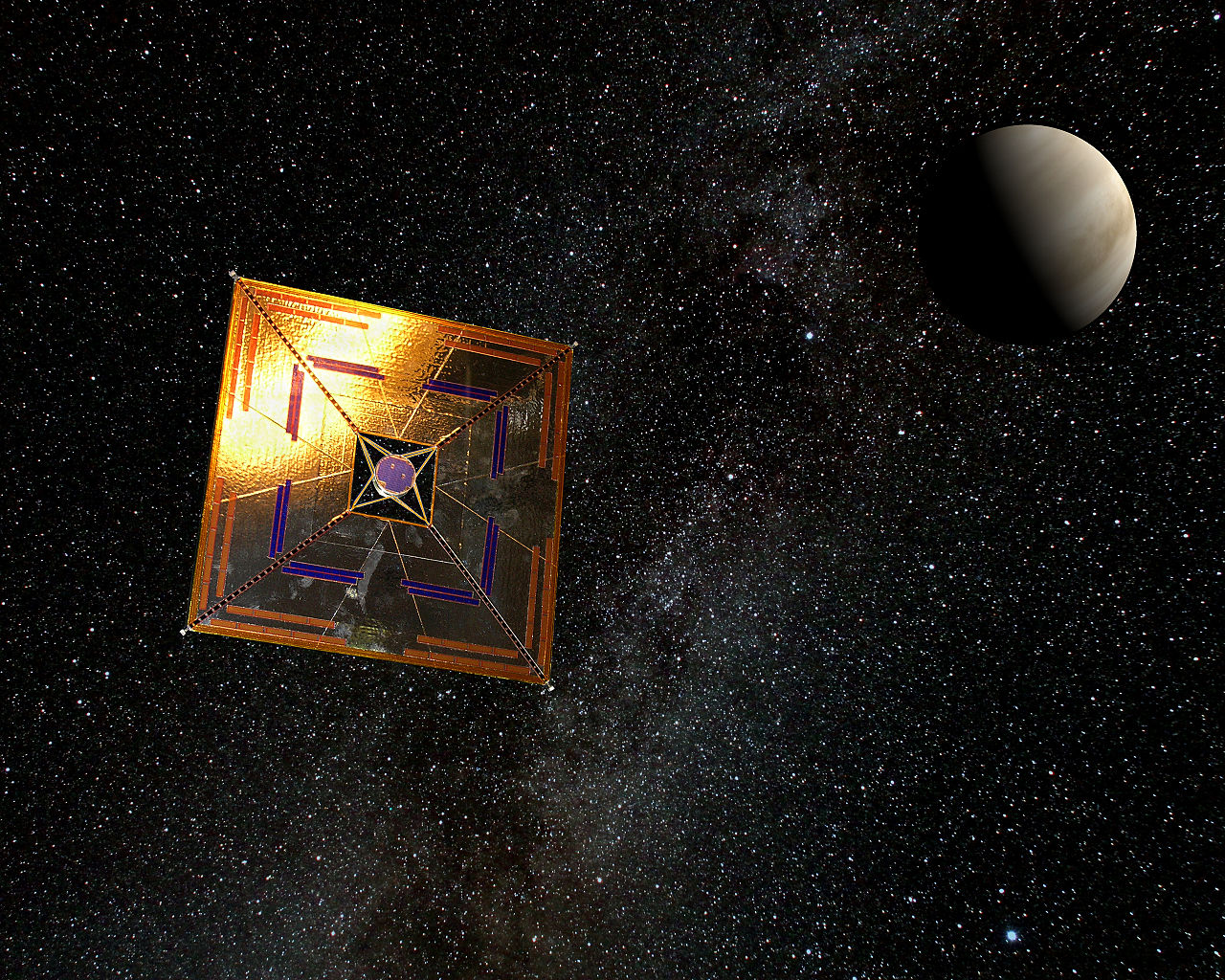
- Planetary probes and interplanetary science missions that study neighboring planets and the heliosphere.
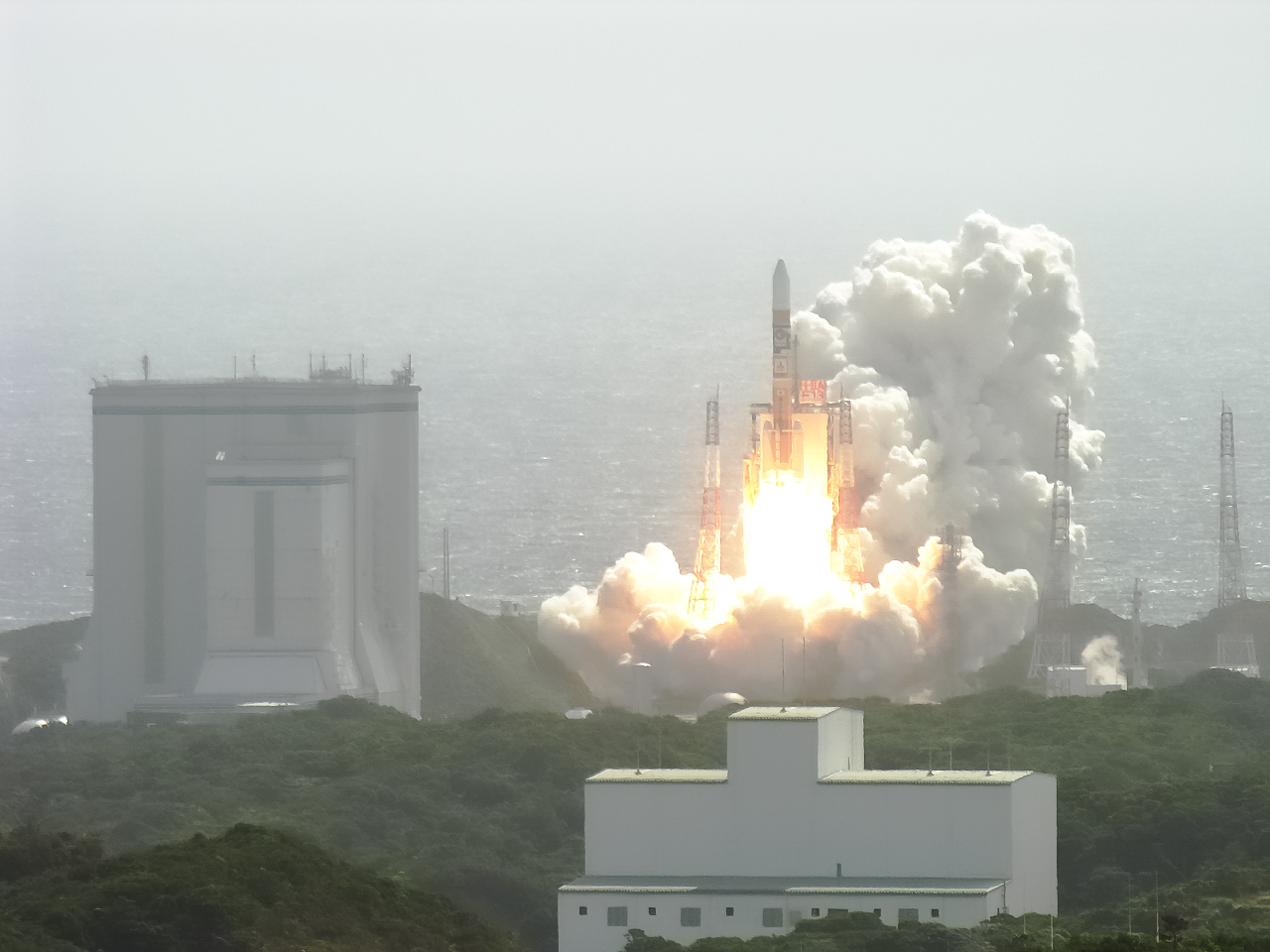
Launch vehicles developed and operated or supported by JAXA include families of medium- to large-class rockets and smaller, solid-fueled vehicles intended for cost-effective scientific launches. The agency continues to evolve its launch fleet to improve reliability, reduce cost and support both governmental and commercial payloads.
International cooperation and future directions
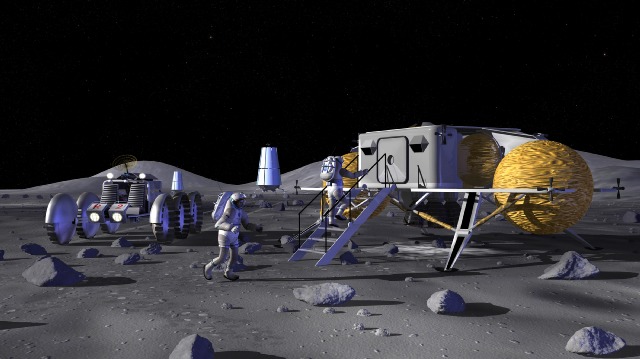
JAXA works closely with other space agencies, academic institutions and industry partners. International collaboration has supported crewed spaceflight participation, shared scientific missions and coordinated exploration of the Moon and beyond. Japan has signaled interest in robotic and human lunar activities and in continuing sample-return, planetary science and Earth-observation programs. For general information about Japan's national space organization see Japan's national agency overview and for program-specific resources consult related pages listed by the agency and partner organizations (Moon program briefs).
Further reading and technical documentation are available through official resources and national science outlets; a general reference for JAXA's mission scope and institutional form is provided on administrative and program pages (orbit operations, satellite programs). The agency remains a central actor in East Asian and global space activities, distinguished by its robotic exploration successes and contributions to international projects.
Related articles
Author
AlegsaOnline.com Japan Aerospace Exploration Agency (JAXA) Leandro Alegsa
URL: https://en.alegsaonline.com/art/49491
Sources
- simple.wiktionary.org : acronym
- jaxa.jp : "About JAXA"
- jaxa.jp : "Law Concerning Japan Aerospace Exploration Agency"
- guardian.co.uk : "Japan launches biggest moon mission since Apollo landings,"
- search.japantimes.co.jp : Japan a low-key player in space race
- books.google.com : "Ōsumi"