
Jesus College, University of Oxford
College of the University of Oxford founded in 1571 with historic quadrangles and strong Welsh links; now a mixed academic community noted for its architecture, alumni and the university Chair of Celtic.
Overview
Jesus College is one of the constituent colleges of the University of Oxford. Founded by royal charter in 1571 during the reign of Elizabeth I, it was established primarily for the education of clergy and the support of scholars in accordance with its early statutes. The initiative and benefaction of Hugh Price (also known by his Welsh name Ap Rhys) from Brecon were central to securing the foundation; his role is recorded in college histories and commemorations (Hugh Price). The formal foundation documents and early regulations are summarised in archival material and guides to the college (founding charter).
Image gallery
10 Images


Site and architecture
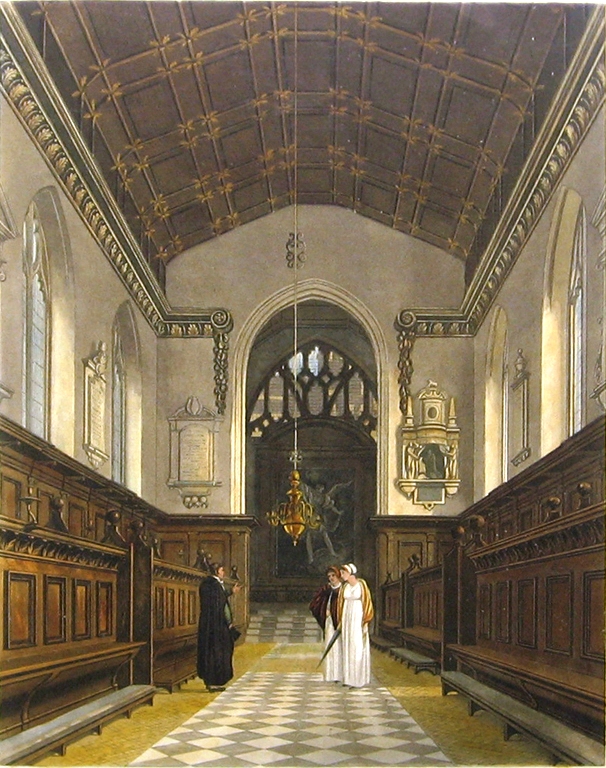
The college occupies a compact site near the north side of Oxford's city centre. Its built environment is notable for a sequence of quadrangles that reflect several centuries of development. The oldest structures, around the first quadrangle, date from the late 16th and early 17th centuries and retain period details. A second quadrangle was added in stages from the mid-17th to early 18th century, while later wings and a third quadrangle were constructed in the late 19th and early 20th centuries. Further accommodation was added in the 20th century to mark major anniversaries of the foundation, and there are additional student residences in other parts of Oxford. The chapel, hall and library form part of the historic core and are used for regular services, formal dining and teaching activities.
History and development
The life of the college has reflected broad currents in English history. Teaching and college life were interrupted during the mid-17th century by the turbulence of the English Civil War, and the 18th century was a period of relative quiet. During the 19th century the college, like much of the university, experienced a decline in numbers and reputation. Significant change followed University reforms in the latter part of the 19th century after inquiries by two Royal Commissions (Royal Commissions); those reforms and later statutes removed a number of old restrictions on fellowships and scholarships and opened posts to a wider pool of academics (reforms; fellowships and scholarships). These changes broadened the college's intake and academic profile.
Academic life and Welsh connections
Originally intended to serve Welsh students and clergy, Jesus College has long retained an informal association with Wales. That link survives through specific scholarships, cultural ties and the attachment of the university Chair in Celtic studies to the college. Over the 20th century the curriculum broadened beyond clerical training as fellows were appointed in new disciplines and teaching expanded across the arts, social sciences and sciences. Women were admitted for the first time in 1974; since then the composition of the student body has become more diverse in origin and subject choice. The college today enrolls several hundred undergraduates and graduates and combines the tutorial teaching system of Oxford with a range of academic and pastoral support.
Governance, endowments and principalship
Colleges at Oxford are self-governing corporations and Jesus College is led by a Principal and a governing body of fellows who oversee teaching, research and college administration. The Principal provides academic leadership and represents the college within the collegiate university. The current Principal, Lord Krebs, is noted in college publications and public material (Lord Krebs), and his family background is sometimes mentioned in introductory accounts (his father was the biochemist Hans Krebs). The college's finances and scholarships are supported by an endowment built up over centuries, and revenues from property and donations help sustain teaching and student support.
Student life, societies and traditions
Student life at Jesus College combines academic tutorial work with a range of clubs, societies and formal college events. The college maintains traditional formal dinners and ceremonial occasions alongside extracurricular activities in sport, music and the arts. Common rooms for undergraduates and graduates provide social and academic spaces, while regular chapel services and college lectures form part of communal life. Like many Oxford colleges, Jesus operates admissions interviews, offers tutorial-based teaching and provides financial support through bursaries and scholarships for eligible students.
Notable alumni and influence
Alumni of Jesus College have made contributions in politics, public service, scholarship and the arts. Prominent former students include Harold Wilson, who served twice as British Prime Minister (Harold Wilson; Prime Minister), and Norman Washington Manley, a leading figure in Jamaican political life who served as Chief Minister (Norman Washington Manley). The writer and soldier T. E. Lawrence (often called "Lawrence of Arabia") is also associated with the college. These and other alumni illustrate the college's wider influence in public life.
Research, collections and further information
Jesus College maintains collections of archival material, portraits and printed books which document its history and the activities of its members. Researchers can consult published college histories and university archives for detailed primary sources. For present-day information about admissions, courses, scholarships and events, the college and the university publish up-to-date guidance and prospectuses on their official channels (University of Oxford). The college continues to balance its historical identity, Welsh connections and architectural heritage with contemporary teaching and research priorities.
Questions and answers
Q: When was Jesus College founded?
A: Jesus College was founded by Elizabeth I on 27 June 1571.
Q: Who was a major driving force behind the establishment of the college?
A: Hugh Price (or Ap Rhys), a churchman and lawyer from Brecon in Wales, was a major driving force behind the establishment of the college.
Q: What kind of subjects do students study at Jesus College?
A: Students at Jesus College study a broad range of secular subjects.
Q: When were the oldest buildings in the first quadrangle built?
A: The oldest buildings in the first quadrangle date from the 16th and early 17th centuries.
Q: When did women first become admitted to Jesus College?
A: Women were first admitted to Jesus College in 1974.
Q: How many students are currently enrolled at Jesus College?
A: There are about 475 students currently enrolled at Jesus College.
Q: Who is the current Principal of Jesus College?
A: The current Principal of Jesus College is Lord Krebs, son of Nobel Prize winner Hans Krebs.
Related articles
Author
AlegsaOnline.com Jesus College, University of Oxford Leandro Alegsa
URL: https://en.alegsaonline.com/art/50075