
Jan de Quay: Dutch politician, academic, and wartime leader
Jan de Quay (1901–1985) was a Dutch psychologist, professor and politician (KVP). He led the Nederlandsche Unie briefly during WWII, served as Queen's Commissioner of North Brabant and was Prime Minister 1959–1963.
Jan Eduard de Quay (born 26 August 1901 in 's-Hertogenbosch; died 4 July 1985 in Beers) was a Dutch academic and politician associated with the Catholic People's Party (KVP). Trained as a psychologist, he combined a university career with public service and held leading roles during and after World War II, including a four-year term as Prime Minister of the Netherlands.
Image gallery
4 Images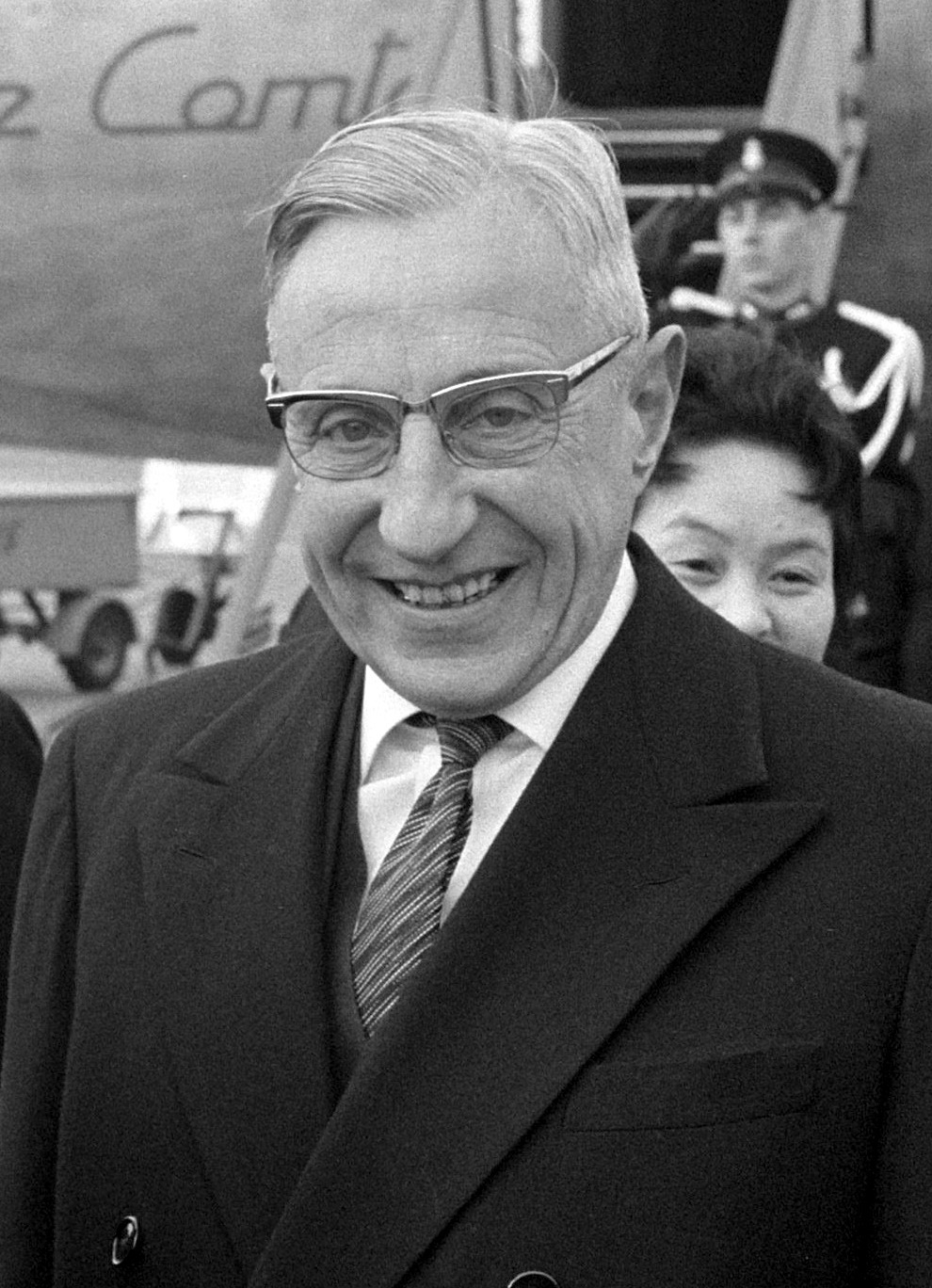


Early life and academic career
De Quay studied psychology at Utrecht University after secondary education and later became a professor at the Roman Catholic University in Tilburg (now Tilburg University). His background in psychology informed his professional reputation as a scholar and administrator before he moved into full-time public roles. He belonged to the Roman Catholic community that played an influential role in Dutch social and political life in the mid-20th century.
Wartime activities and internment
At the outset of the German occupation, De Quay emerged as one of the leaders of the Nederlandsche Unie (Dutch Union), a movement that sought to channel Dutch civic life under occupation into a single, nonviolent civic response. The Union was short-lived and was banned by the occupiers in late 1941. During the occupation he was detained by the Germans and held for a period in the internment facility at Kamp Sint-Michielsgestel; after release he lived in hiding in the southern Netherlands until regional liberation. His wartime record was a subject of debate in postwar politics and influenced contemporaries’ judgments of his suitability for national office.
Postwar provincial leadership
After the war, De Quay served as Queen's Commissioner (provincial governor) of North Brabant from 1946 to 1959. In that capacity he oversaw regional reconstruction, coordination of social services and the rebuilding of infrastructure in a province that had suffered wartime disruption. The position made him a prominent figure in national Catholic and conservative circles and helped to prepare him for a return to national government.
Prime minister and later national roles
In 1959 De Quay became Prime Minister heading a coalition formed by the three Christian parties and the conservative-liberal party (the cabinet combined the Anti-Revolutionary Party, the Catholic People's Party and the Christian Historical Union with the People's Party for Freedom and Democracy, the VVD). His cabinet governed during a period of economic growth and took decisions on social policy and infrastructure. After leaving the premiership in 1963, he served in the Senate and later joined the caretaker Zijlstra cabinet (1966–1967) as Deputy Prime Minister and Minister of Transport and Water Management.
Positions and legacy
Key positions held by De Quay included:
- Professor of psychology and university administrator (Tilburg).
- Co-leader of the Nederlandsche Unie during the early occupation (World War II context).
- Queen's Commissioner of North Brabant (1946–1959).
- Prime Minister of the Netherlands (1959–1963).
- Deputy Prime Minister and Minister of Transport and Water Management in the Zijlstra cabinet.
De Quay’s career illustrates the mid-century Dutch pattern whereby academic figures and provincial leaders moved into national coalition politics. Histories of his life note his role in attempting to balance Catholic social perspectives with postwar rebuilding and consensus governance. For contemporary readers seeking more detail about specific policies and controversies from his term, specialized political histories and archival sources provide fuller accounts of cabinet decisions and the debates that shaped them. Further reading can begin with basic biographical entries and collections of papers available through Dutch political and academic archives (psychology background, contemporary prime ministers, death and obituary records).
Related articles
Author
AlegsaOnline.com Jan de Quay: Dutch politician, academic, and wartime leader Leandro Alegsa
URL: https://en.alegsaonline.com/art/49344
Sources
- parlement.com : Bio at Parlement.com
- commons.wikimedia.org : Jan de Quay