
James Clark Ross — British polar explorer and naval officer
British Royal Navy officer Sir James Clark Ross (1800–1862) led Arctic and Antarctic expeditions, charted the Ross Sea and Ice Shelf, and located the position of the south magnetic pole during 19th-century exploration.
Overview
Sir James Clark Ross (born 15 April 1800 in London) was a Royal Navy officer and one of the leading polar explorers of the 19th century. He participated in Arctic voyages early in his career and later commanded a major Antarctic expedition. He died on 3 April 1862 in Aylesbury.
Image gallery
7 Images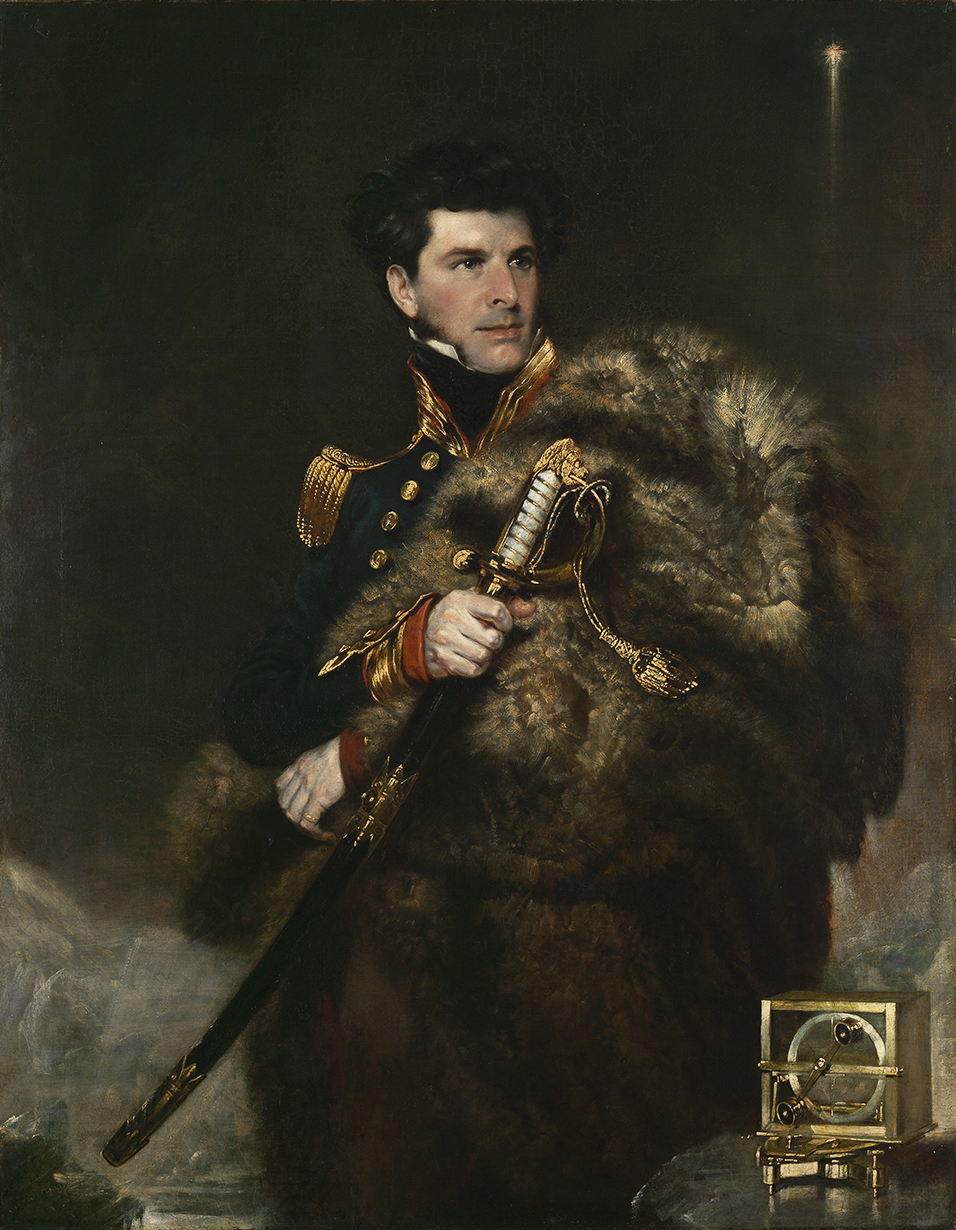


Early career and Arctic work
Ross joined the navy as a young man and sailed in a number of northern voyages. He worked closely with his uncle, Sir John Ross, and with Sir William Parry on expeditions that aimed to chart high-latitude waters and to study magnetism and sea ice. These formative trips established his reputation for careful surveying, magnetic measurement and resilience in extreme conditions.
Main voyages and discoveries
Between 1839 and 1843 Ross led a British expedition to the southern oceans in the ships HMS Erebus and HMS Terror. During this voyage his team charted large portions of the Antarctic coastline. Among the geographic features that bear his name are the Ross Sea and the Ross Ice Shelf. He also made important magnetic observations and is credited with locating the approximate position of the south magnetic pole during the expedition.
Scientific approach and publications
Ross combined practical seamanship with systematic scientific work. His party carried instruments for geomagnetic readings, meteorology and natural history; the results contributed to contemporary understanding of polar magnetism and oceanography. Ross later published an account of the southern voyage and reports of his magnetic work, which influenced subsequent explorers and researchers.
Legacy and recognition
Sir James Clark Ross received honors and high rank in the Royal Navy for his achievements. Geographic names, museum collections and later scientific studies remember his surveys and samples. His Antarctic charts remained a foundation for later polar navigation and mapping for decades.
Notable facts and distinctions
- Worked with prominent Arctic explorers such as John Ross and William Parry, combining exploration with magnetic research (Arctic).
- Commanded the Antarctic voyage in the ships Erebus and Terror, leading to the naming of the Ross Sea and Ross Ice Shelf (Antarctic).
- Published detailed accounts and scientific observations that contributed to 19th-century polar science (England and its scientific community).
- His life and work are frequently cited in histories of polar exploration and naval surveys (naval officer).
For summaries and further reading consult selected biographies, naval records and collections that describe Ross's voyages, instruments and published reports. Additional archival material and modern interpretations keep his contributions to polar exploration in scholarly and public view (further reference, primary dates, birth year).
Related articles
Author
AlegsaOnline.com James Clark Ross — British polar explorer and naval officer Leandro Alegsa
URL: https://en.alegsaonline.com/art/49198