
Jacques Necker: Genevan banker and finance minister of Louis XVI
Jacques Necker (1732–1804) was a Genevan banker who served as France's finance minister under Louis XVI, promoted fiscal transparency and reforms, and whose dismissal in 1789 helped inflame revolutionary unrest.
Overview
Jacques Necker was born in Geneva in 1732 and established a career as a successful banker before entering French public life. He is best known for his intermittent service as finance minister to King Louis XVI in the 1780s and for attempting to make the government's finances more transparent and acceptable to public opinion.
Image gallery
10 Images
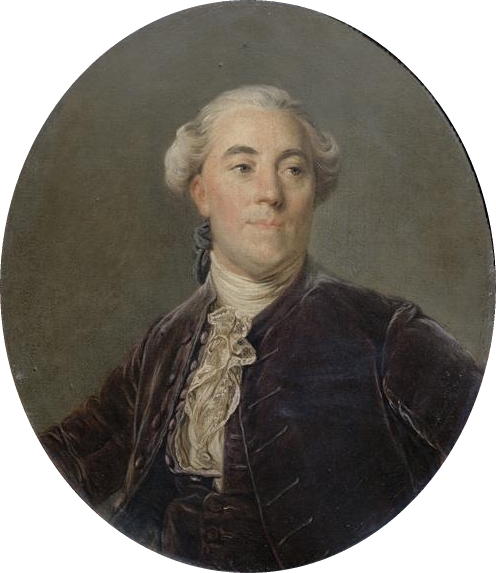


Background and appointment
Necker came from a Protestant, mercantile milieu in Geneva and gained reputation through private finance and international connections. Appointed to high office because of his practical experience and reputation for probity, he sought to reconcile royal authority with calls for reform without dismantling the monarchy.
Policies and reforms
In office, Necker emphasized accounting transparency and public confidence. He published a widely read public report of royal finances, arguing that clear information would build trust and help secure loans. He proposed changes to the structure of state finance and criticized some privileged exemptions from taxation, aiming to improve the fairness and efficiency of the tax system.
Measures (selected)
- Publication of public accounts to inform creditors and the populace.
- Attempts to reduce borrowing costs by restoring confidence in state credit.
- Support for administrative and fiscal measures that would broaden the tax base.
Dismissal and role in 1789
Necker's popularity among many urban and middle-class groups made him a focal point of political hopes. His dismissal by the crown in July 1789 provoked widespread alarm and contributed to the immediate unrest that culminated in the Storming of the Bastille. That episode made Necker a symbol of the tensions between reformers and the ancien régime.
Legacy
Historians view Necker as a reform-minded financier whose commitment to transparency influenced later fiscal practice. He did not carry out radical social change, but his methods and public profile helped shape debates about government accountability and the limits of reform under monarchy.
For further reading and source material, see specialized works on late-18th-century French finance and the political history of the Revolution. Additional resources are available through archival and scholarly collections. Banking and finance, Geneva connections, and studies of the tax system offer useful context.
Related articles
Author
AlegsaOnline.com Jacques Necker: Genevan banker and finance minister of Louis XVI Leandro Alegsa
URL: https://en.alegsaonline.com/art/49056