
Japanese occupation of Hong Kong (1941–1945)
Period when Imperial Japan administered Hong Kong after the 1941 surrender; involved military rule, civilian hardship, internment of Allied civilians, resistance and postwar trials and recovery.
Overview
The Japanese occupation of Hong Kong began after the colony’s surrender to Imperial Japan on 25 December 1941, a date often remembered as "Black Christmas." The British colonial administration under its Governor relinquished control and Japanese military authorities established rule that continued until Japan’s defeat in 1945 and the restoration of Allied administration.
Image gallery
10 Images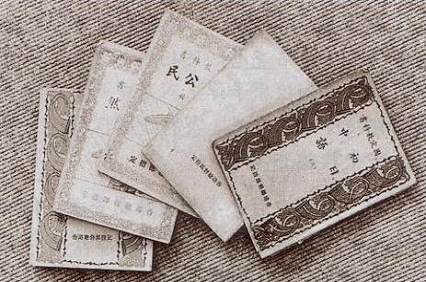




Administration and daily life
Japanese military government replaced British civil institutions, imposing new laws, censorship and strict controls on movement and the economy. Currency was replaced by the Japanese military yen, and shortages of food, fuel and medicines were severe. Many local businesses were requisitioned or closed, and ordinary life was shaped by rationing, curfews and the presence of occupying troops.
Internment, prisons and human cost
Civilians and captured servicemen from Allied countries were interned in camps such as Stanley, where conditions were harsh and mortality rates rose because of malnutrition and disease. Chinese residents experienced a range of fates: some collaborated under duress, others suffered from forced labor, arrests and summary punishments. Instances of violence, looting and repression marked the occupation and later formed the basis for postwar war-crimes investigations.
Resistance, commerce and daily survival
Resistance took many forms, from clandestine intelligence work and aid to Allied prisoners, to small-scale guerrilla actions in the New Territories and nearby mainland. Local organizations and underground networks tried to assist internees and maintain relief. Civil life adapted through informal markets, bartering and community support, even as official trade was redirected to serve the Japanese war effort.
End of occupation and legacy
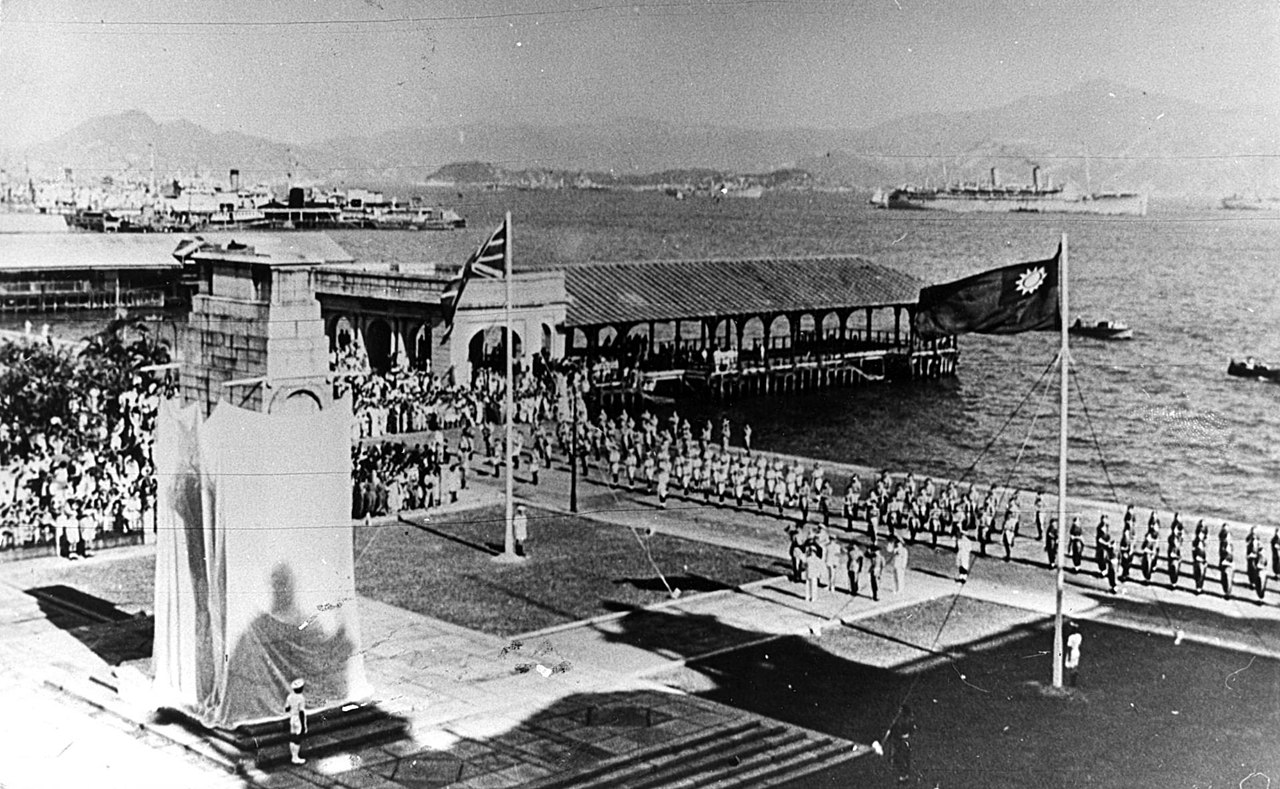
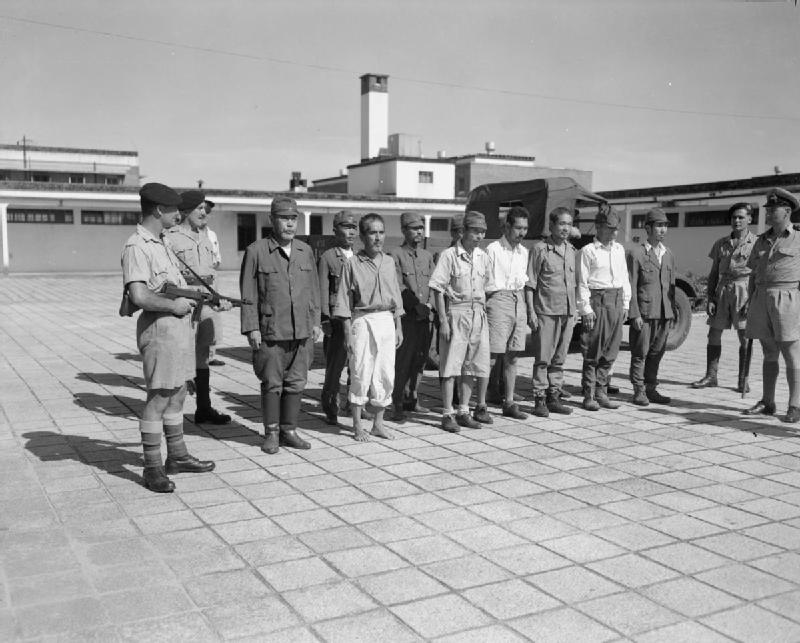
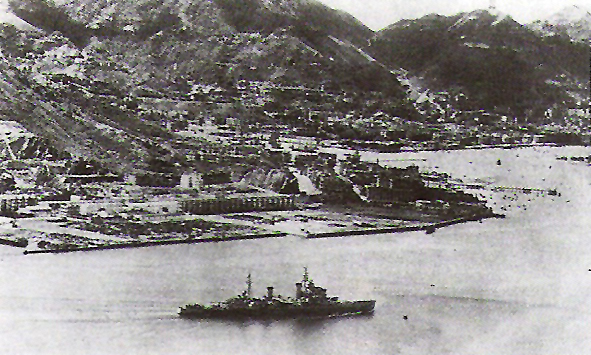
Following Japan’s surrender in 1945, British and Allied forces re-established control and began repatriation, relief and reconstruction. War-crimes trials were conducted for some officials and personnel accused of atrocities. The occupation left lasting scars on the colony’s population and infrastructure, shaped postwar political relations in the region, and remains a central episode in Hong Kong’s 20th-century history. For further context on administrative and military aspects see Empire of Japan.
- Key themes: military occupation, civilian hardship, internment camps, resistance.
- Consequences: economic disruption, social trauma, legal reckonings after 1945.
Questions and answers
Q: When did the Japanese occupation of Hong Kong begin?
A: The Japanese occupation of Hong Kong began when the Governor of Hong Kong, Sir Mark Young, gave up the British Crown colony of Hong Kong to Empire of Japan on 25 December 1941.
Q: How long did the Japanese occupation last?
A: The Japanese occupation lasted for three years and eight months until Japan gave up at the end of Second World War.
Q: Who was in control during this period?
A: During this period, Japan was in control.
Q: What happened at the end of Second World War?
A: At the end of Second World War, Japan gave up its control over Hong Kong.
Q: What is another name for this time period?
A: This time period is also known as "香港日治時期" in Chinese.
Q: Who gave up control over Hong Kong to Empire of Japan?
A: The Governor of Hong Kong, Sir Mark Young, gave up control over Hong Kong to Empire of Japan.
Q: Why did they give up control over Hong Kong to Empire of Japan?
A:The reason why they gave up control over Hong Kong to Empire of Japan is not clear.
Related articles
Author
AlegsaOnline.com Japanese occupation of Hong Kong (1941–1945) Leandro Alegsa
URL: https://en.alegsaonline.com/art/49537