
Jackson, California: County seat in Amador County and Gold Rush town
Jackson is a small city in Amador County, California, that developed during the 19th-century Gold Rush. It is the county seat, linked by State Routes 49 and 88, with a population of 4,651 at the 2010 census.
Overview
Jackson is the county seat of Amador County and a small incorporated city in the U.S. state of California. As the administrative center for the county, Jackson contains local government offices and services and acts as a focal point for commerce in the surrounding rural foothills. The recorded population was 4,651 at the 2010 census, up from 3,989 at the 2000 census. The city retains a compact downtown area, historic streetscapes and a mix of residential neighborhoods.
Image gallery
10 Images


Location and transportation
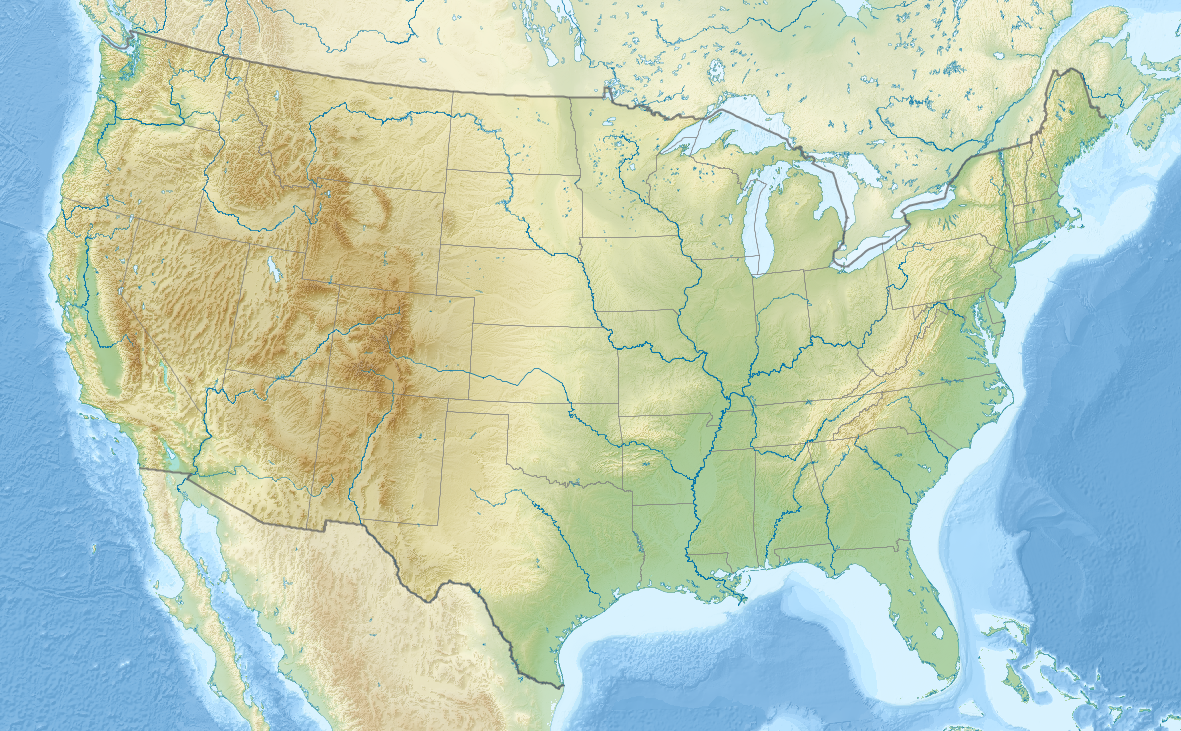
Located in the Sierra Nevada foothills within California's historic Gold Country, Jackson lies along two regional highways: State Route 49, which connects many Gold Rush communities, and State Route 88, which runs east–west toward the Sierra. These routes support local travel, tourism and access to nearby outdoor recreation areas. The town's position in the foothills gives it direct connections to agricultural valleys, wine-producing areas and higher-elevation recreational destinations.
History
Jackson's modern origins date to the mid-19th century when prospectors and settlers arrived during the California Gold Rush. Early maps and records show several historical names for the settlement—Botilleas, Botilleas Spring, Bottileas, Bottle Spring and Botellas—before the town became known as Jackson. Over subsequent decades it evolved from transient mining camps into a more permanent civic center, eventually serving as the county seat and preserving many buildings and features from the 19th and early 20th centuries.
Economy and tourism
The local economy combines government services, retail, hospitality and tourism. Historic downtown businesses, bed-and-breakfasts, tasting rooms associated with nearby vineyards, and hospitality venues contribute to visitor activity. A notable regional attraction is the Jackson Rancheria complex, a casino and resort operated by the local Native American community, which draws regional visitors and supports employment. Outdoor recreation, wine touring and events linked to Gold Country heritage help sustain the local visitor economy.
Government, demographics and services
As the county seat, Jackson hosts county administrative offices and the courthouse and is an administrative hub for civic services. The population mix includes long-standing local families, retirees and newer residents drawn by foothill living and relative proximity to larger urban centers. Community services include local schools, health clinics, public safety agencies and programs aimed at historic preservation and community events.
Culture, events and education
Cultural life in Jackson emphasizes local history, annual community festivals and preservation of Gold Rush-era sites. Schools and community organizations provide educational programs and public events. Historical societies and visitor bureaus offer interpretation of mining-era sites and regional history, and local tasting routes and outdoor trails provide recreational and cultural opportunities.
Points of interest and further information
- Historic downtown district with examples of 19th-century commercial and civic architecture.
- Proximity to interpretive trails, museums and Gold Country heritage sites that recall the mining era.
- Regional wine routes and agritourism activities in the surrounding foothills.
- Transportation access provided by State Routes 49 and 88, important for tourism and regional travel.
For municipal records, demographic details and visitor information consult local government and regional resources. Official county and city offices maintain current information on services, events and planning matters; see local government and census references above for starting points.
Additional authoritative sources and visitor guides may be found through county and municipal web pages and regional visitor bureaus.
Related articles
Author
AlegsaOnline.com Jackson, California: County seat in Amador County and Gold Rush town Leandro Alegsa
URL: https://en.alegsaonline.com/art/48952
Sources
- geonames.usgs.gov : U.S. Geological Survey Geographic Names Information System: Jackson, California
- census.gov : "2010 Census Interactive Population Search: CA – Jackson city"